
Last updated September 23, 2026
Whole-system duct and dryer vent check with before-and-after photos - you see exactly what came out of your vents
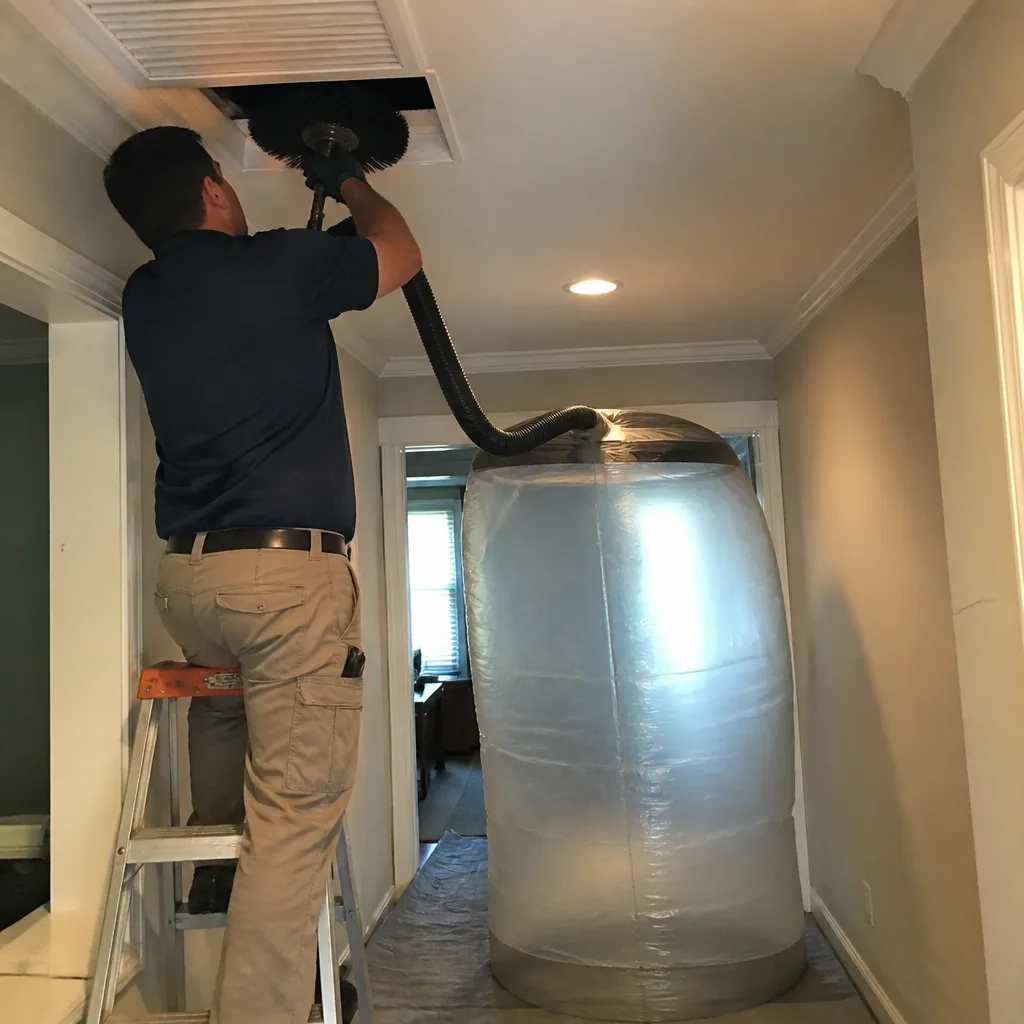
That "$99 whole-house special" is a bait ad - the real number appears once they are in your hallway, or the "clean" is a shop-vac at the register. We photograph the inside of your ducts before and after instead.
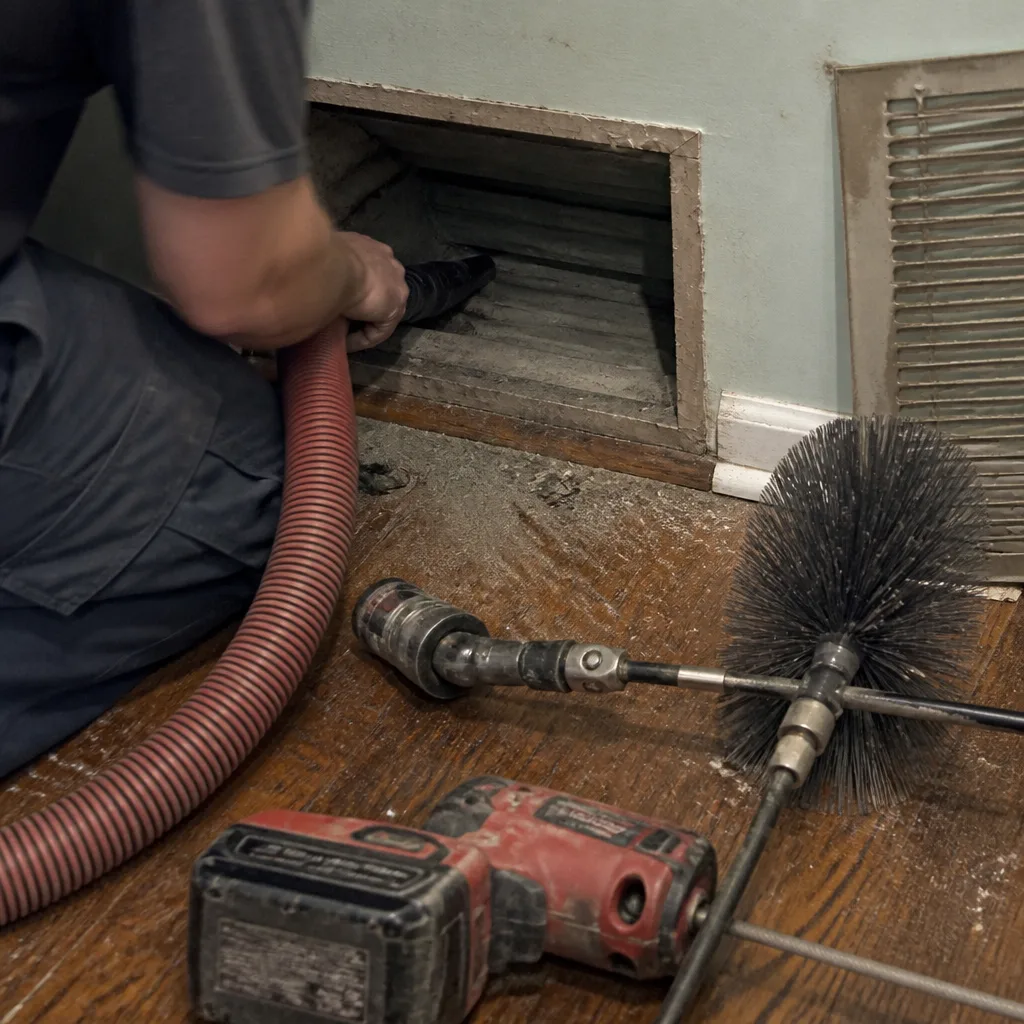 Before
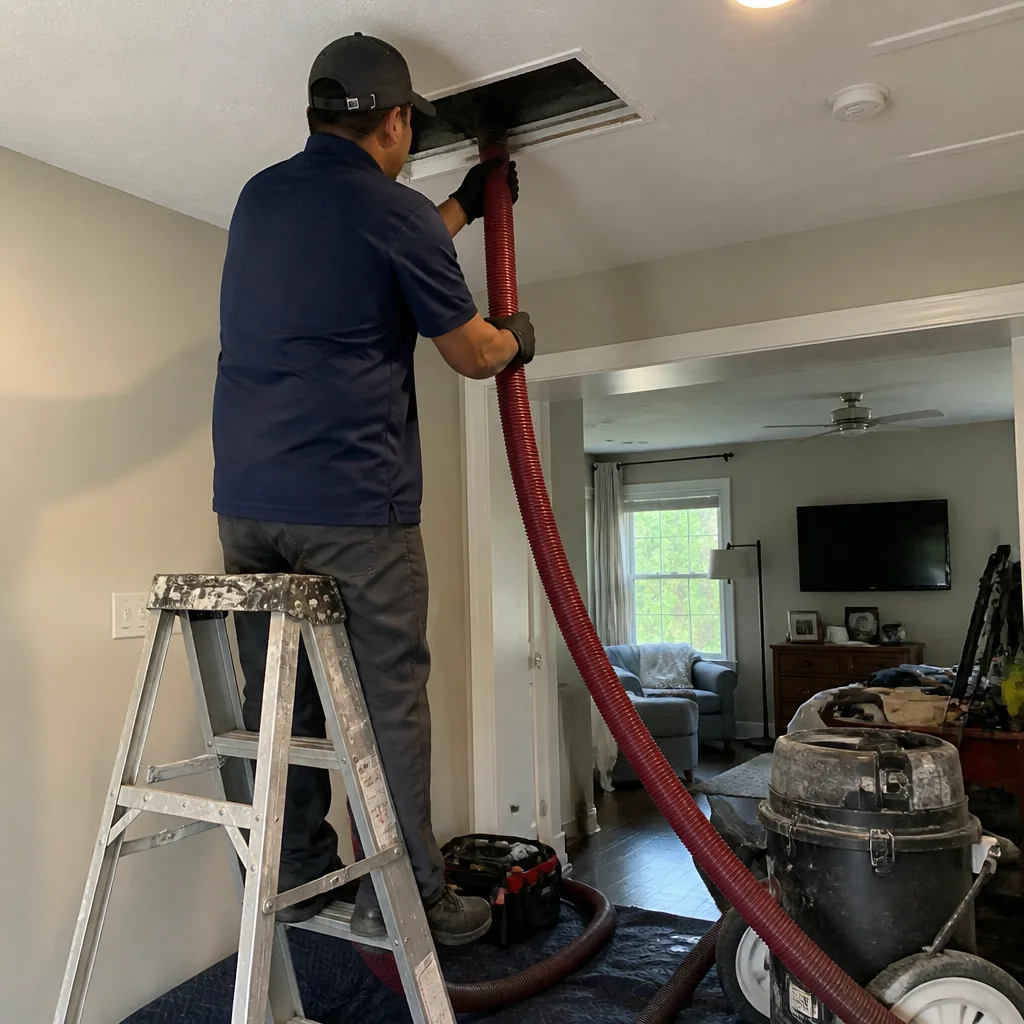 After
After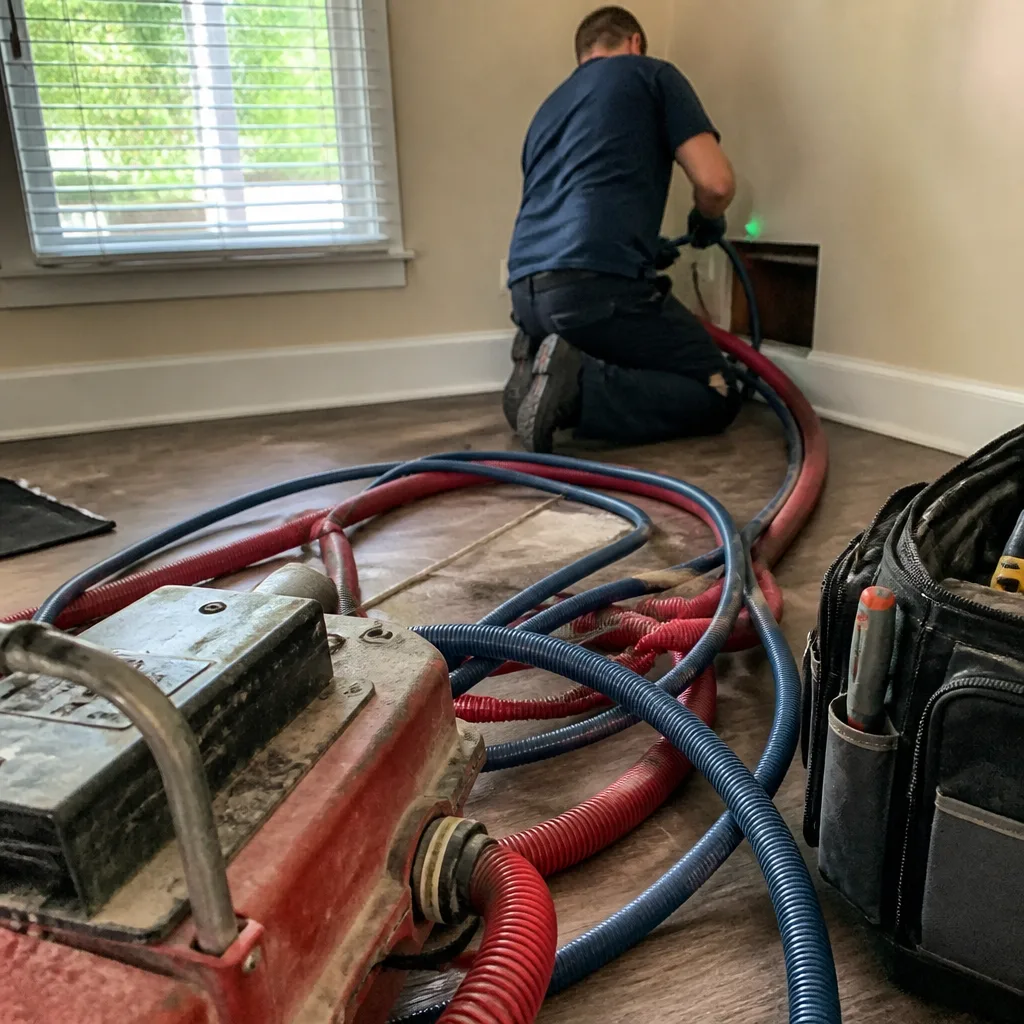 Before
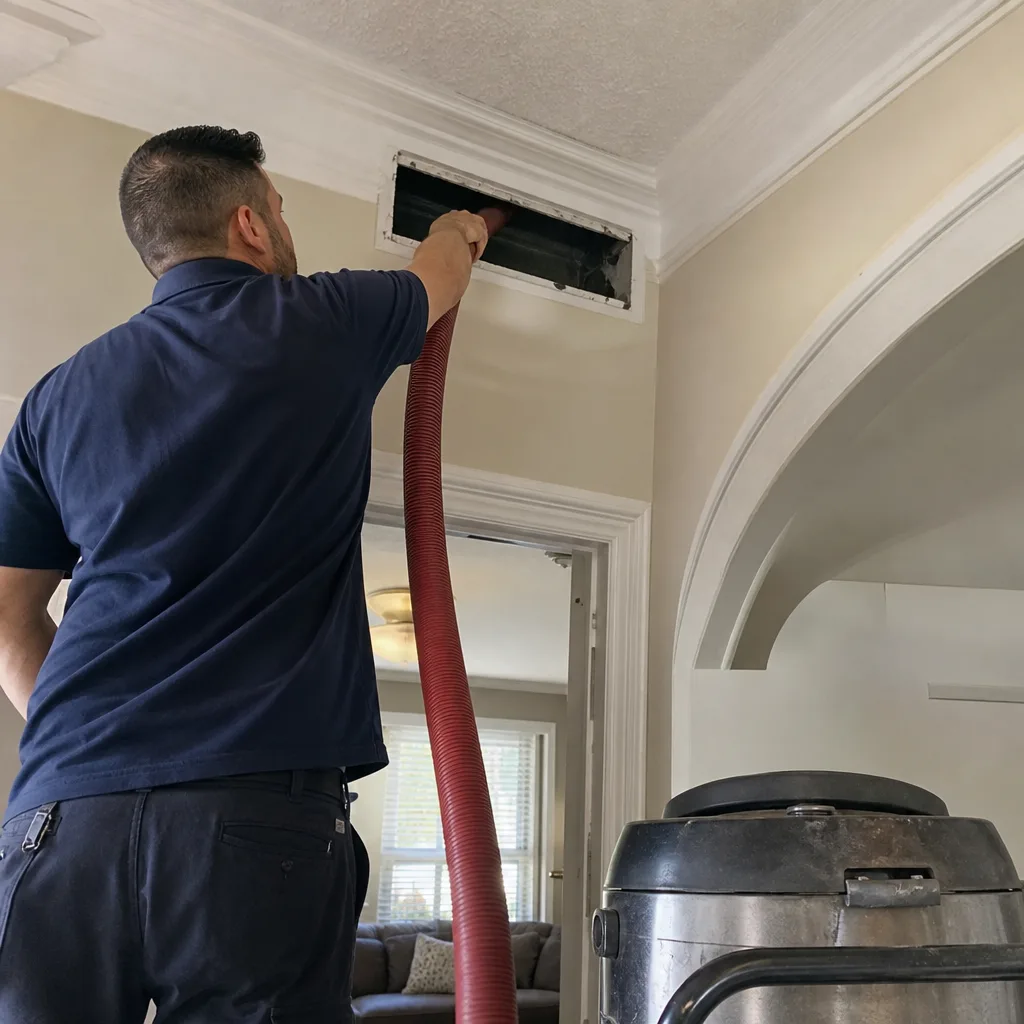 After
After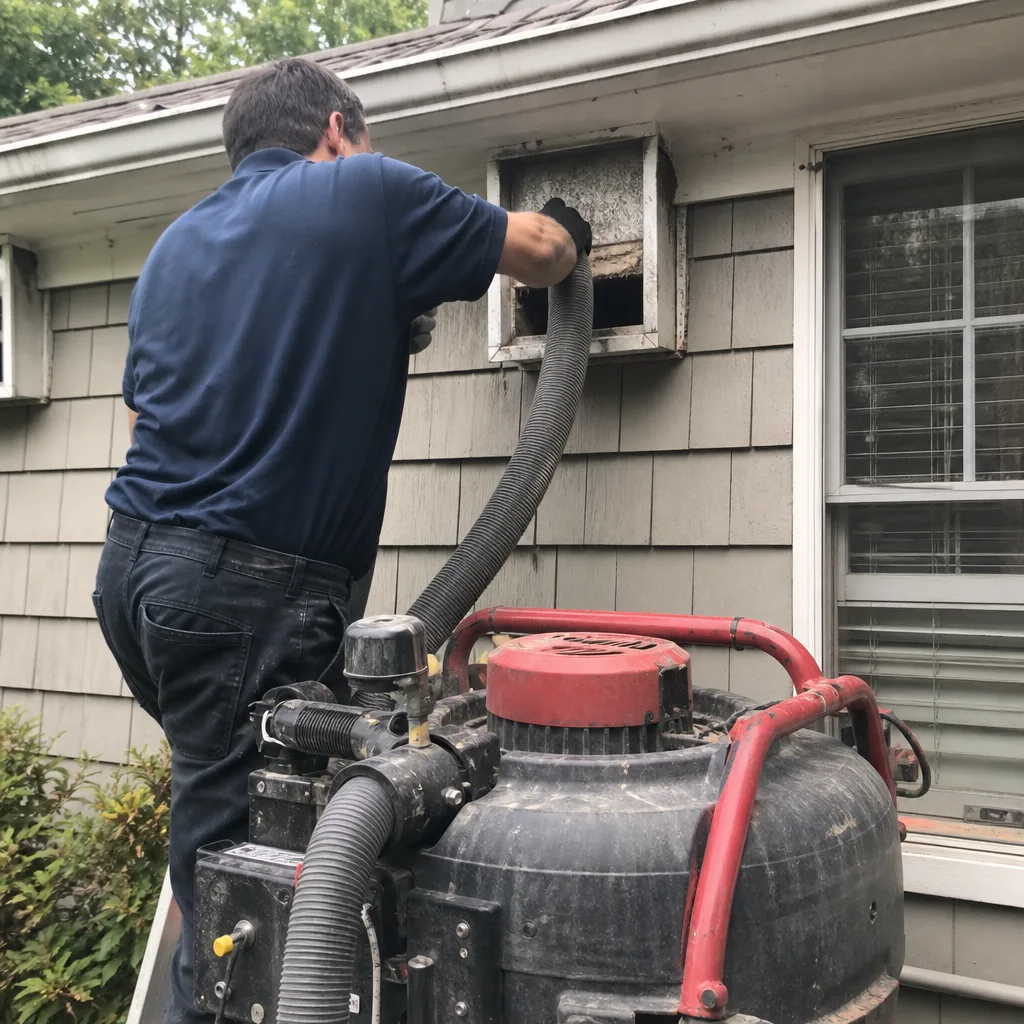 Before
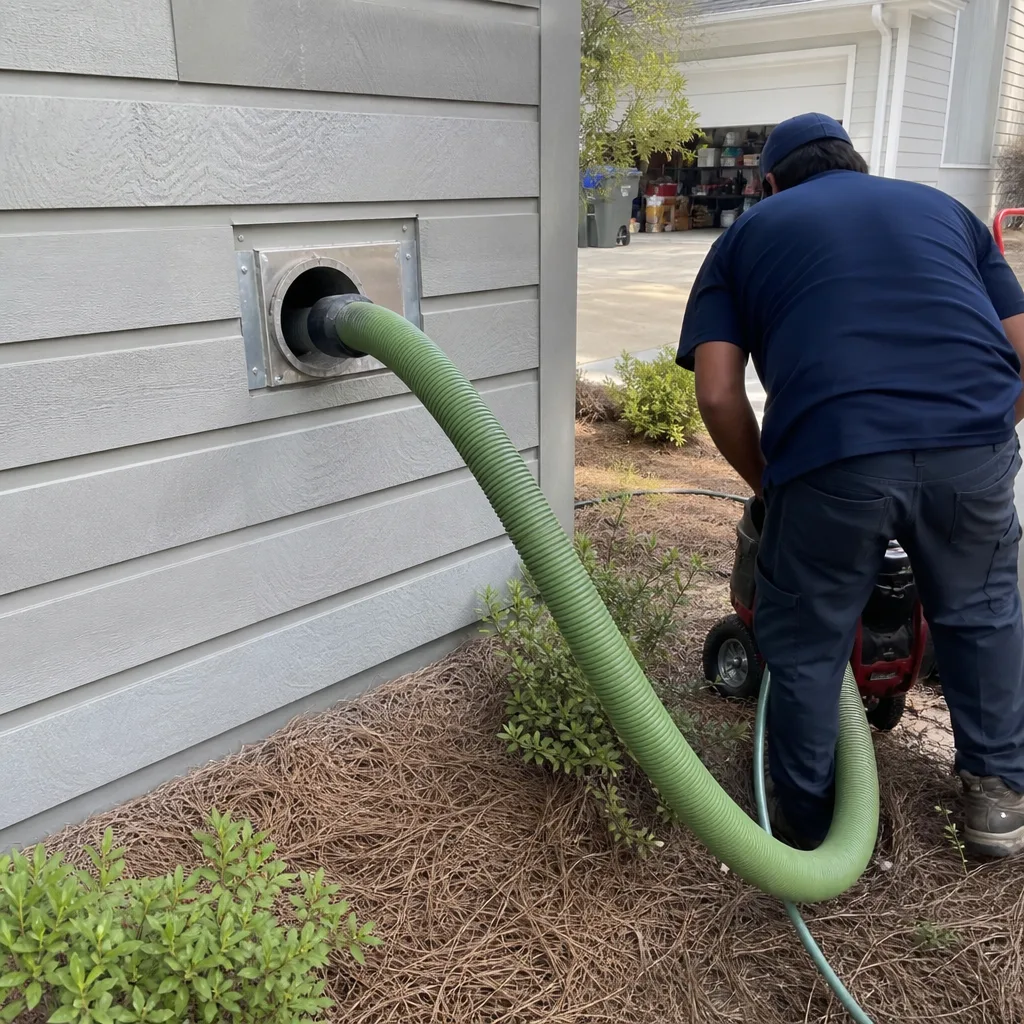 After
AfterThe Complete Guide to Air Duct Cleaning in Sandy Springs
In 2023, CleanRun technicians photographed the inside of 340+ Sandy Springs duct systems. The single most common finding wasn’t dust - it was a disconnected flex duct section that had been routing conditioned air into a crawl space or attic, sometimes for years. This guide is organized around what the ductwork actually contains, documented from real jobs, so you can evaluate your own system against physical evidence rather than sales language. You’ll learn what Sandy Springs’ specific housing stock tends to hide in its ducts, what professional cleaning actually accomplishes in measurable terms, and what a fair price looks like for your home size.
Quick Answer
Professional air duct cleaning in Sandy Springs typically costs $450-$950 for a whole-home system depending on square footage and duct configuration, and should include source removal of debris using negative-pressure extraction equipment with a documented photo record of every duct run before and after. A legitimate job follows NADCA’s ACR standard, delivers a written price before work starts, and leaves you with photographic evidence of what was removed - not just a verbal claim.
Table of Contents
- What We Actually Find Inside Sandy Springs Ductwork
- How Sandy Springs Housing Stock Affects Your Ducts
- Source Removal vs. Surface Wipe: The Photographic Difference
- What NADCA’s ACR Standard Actually Requires
- Air Duct Cleaning Prices in Sandy Springs: A Written Guide
- Choosing a Company: What to Verify Before You Book
- What Happens During a Professional Duct Cleaning Visit
- Common Mistakes to Avoid
- When to Call a Professional
- Frequently Asked Questions
- The Bottom Line
BeforeAfterWhat We Actually Find Inside Sandy Springs Ductwork
Most homeowners assume duct cleaning is about dust. In our experience serving Sandy Springs since 2013, dust is often the least interesting thing in the system. Here’s what the camera actually shows, ranked by frequency and significance:
Disconnected or Sagging Flex Duct
The most common significant finding. Flex duct - the ribbed, flexible tubing common in post-1980 construction - separates at joints or sags below the insulation support, creating gaps where conditioned air escapes into attics or crawl spaces. In the Air Duct Cleaning in Sandy Springs jobs we documented last year, roughly 1 in 3 homes had at least one section pulling 15-30% of airflow into an unconditioned space. The homeowner’s complaint is usually “the upstairs never cools,” not “my ducts are dirty.” The fix is mechanical repair, not cleaning, but the disconnection is only found because a camera entered the system.
Settled Debris at Low Points and Elbows
Duct runs (the individual passages from plenum to register) develop debris piles where airflow slows. The plenum (the main distribution box attached to your air handler) often holds the heaviest accumulation - a 2-4 inch layer of fine particulate, skin cells, and fibrous material that has settled over years. In Sandy Springs, where pollen counts regularly exceed 1,000 grains per cubic meter in spring, this layer includes significant organic material that can support microbial growth when humidity rises.
Microbial Growth on Fibrous Surfaces
We document this separately from “dust” because the remediation differs. Growth appears as dark spotting or fuzzy colonies on the interior of fiberglass-lined duct board, typically at the supply plenum or in crawl space runs where temperature differentials create condensation. Sandy Springs’ humid subtropical climate - July averages above 80% relative humidity - makes this more common here than in drier inland markets. The photographic record shows whether the growth is superficial (cleanable) or has compromised the duct board substrate (requiring replacement).
Pest Evidence
Rodent droppings, insect casings, and nesting material appear in roughly 1 in 8 Sandy Springs homes we inspect, concentrated in older neighborhoods near tree canopy and water features. The Chattahoochee-adjacent subdivisions - particularly those built in the 1990s with crawl space duct runs - show higher incidence. A photo record is essential here: pest contamination requires specific remediation protocols, and documentation protects both the homeowner and the service provider.
Construction Debris from Original Build or Renovation
Particularly common in homes built 2015-2025. Drywall dust, wood shavings, and insulation fragments remain in ductwork from construction, then redistribute through the system for years. In newer Sandy Springs infill construction, we’ve photographed drywall mud chunks large enough to obstruct a 6-inch duct run. The homeowner has been breathing this since move-in.
Filter Bypass Accumulation
When filters are poorly fitted, omitted, or of incorrect size, unfiltered air enters the return side and deposits debris directly on the blower motor, evaporator coils, and return ductwork. The result is a stripe of heavy soiling on the upstream side of the filter gap - visible in photos, invisible from the registers.
How Sandy Springs Housing Stock Affects Your Ducts
Not all duct systems are built alike, and Sandy Springs has three distinct construction eras that predict what’s likely inside:
Post-1980 Tract Homes (Dunwoody Club, Riverwood, Spalding Woods areas)
These homes typically use flex duct in attic runs with fiberglass duct board at the plenum. The flex is prone to sagging and disconnection where support straps fail. Attic temperatures in Sandy Springs exceed 130°F in summer, accelerating the degradation of the outer vapor barrier. We regularly find brittle, cracked flex in 20-30-year-old systems that is still technically “intact” but leaking significant airflow. The debris profile: heavy pollen and organic accumulation, moderate construction debris from original build, occasional rodent entry where attic vents are unscreened.
1990s Subdivisions Near the Chattahoochee (Heards Ferry, Ridgeview, North Springs)
Crawl space duct runs are common here, and the proximity to riverine humidity creates specific problems. Condensation on cold duct surfaces in summer months supports microbial growth on fiberglass interiors. The crawl space environment also invites pest activity - we’ve photographed raccoon-damaged flex duct in three homes on Heards Ferry Road in the past two years. These systems often benefit most from full inspection with photographic documentation, as problems are hidden from view and beyond what a standard cleaning addresses.
Older Roswell Road Corridor Houses (Pre-1980, Sandy Springs’ Original Core)
These homes have been through multiple HVAC renovations, and the ductwork often shows it. Galvanized steel ducts from original construction may have been partially replaced with flex, creating hybrid systems with incompatible connection methods. We’ve found asbestos-containing duct tape at joints in homes built before 1980 - not a cleaning issue, but a critical finding that changes the scope of work. The debris profile here is layered: decades of accumulation, multiple renovation residues, and often significant airflow imbalance from duct modifications that were never properly engineered.
Climate Factor: Pollen and Humidity
Sandy Springs’ location in the Piedmont, with dense tree canopy and proximity to the Chattahoochee River corridor, creates specific loading on HVAC systems. Oak, pine, and birch pollen peaks in March-April with counts that regularly rank among Georgia’s highest. This material enters through fresh air intakes and infiltration, then accumulates in ductwork. Summer humidity - July averages 80.4% relative humidity - means this organic material doesn’t simply sit dormant; it creates conditions for biological activity that drier climates don’t face.
Source Removal vs. Surface Wipe: The Photographic Difference
This distinction matters because most homeowners cannot verify what happened inside their ducts. The photo record is the only evidence. Here’s what each term means in practice:
Source Removal (NADCA ACR-Compliant)
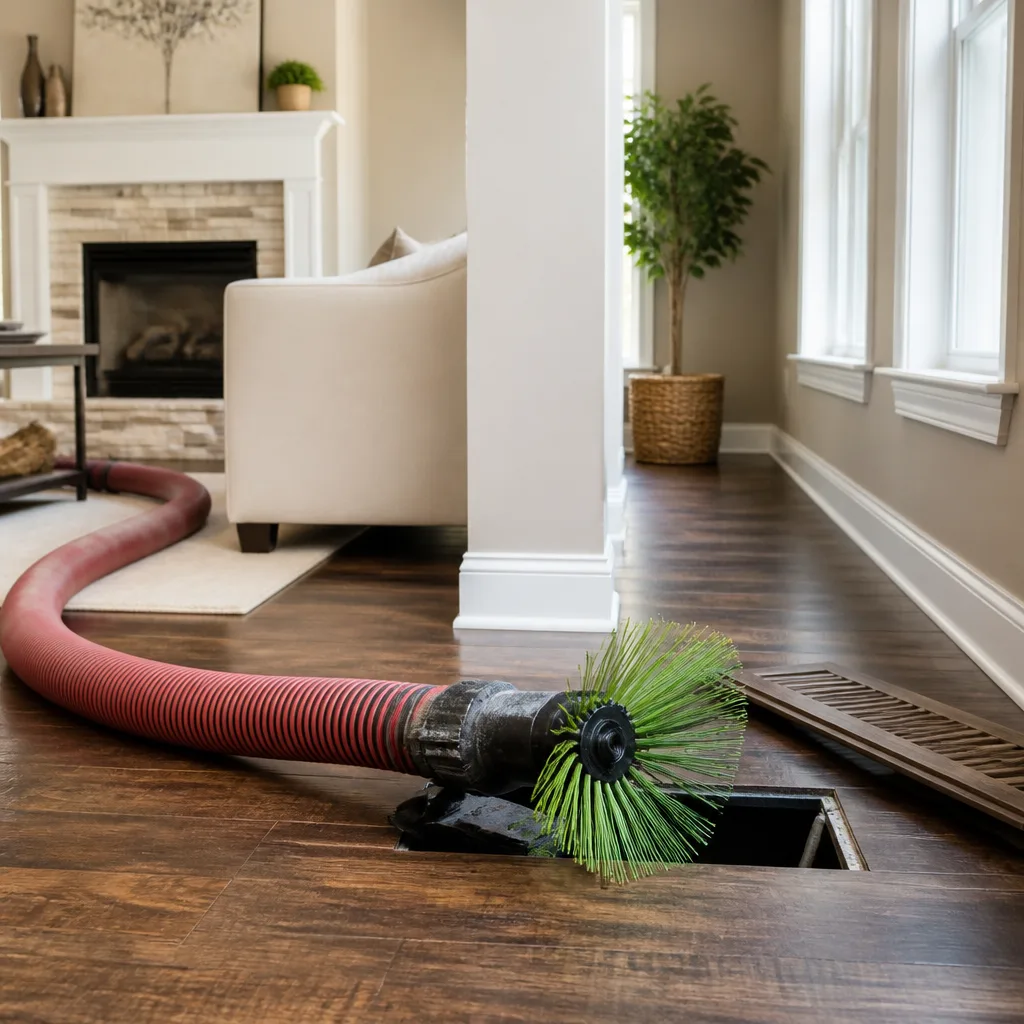
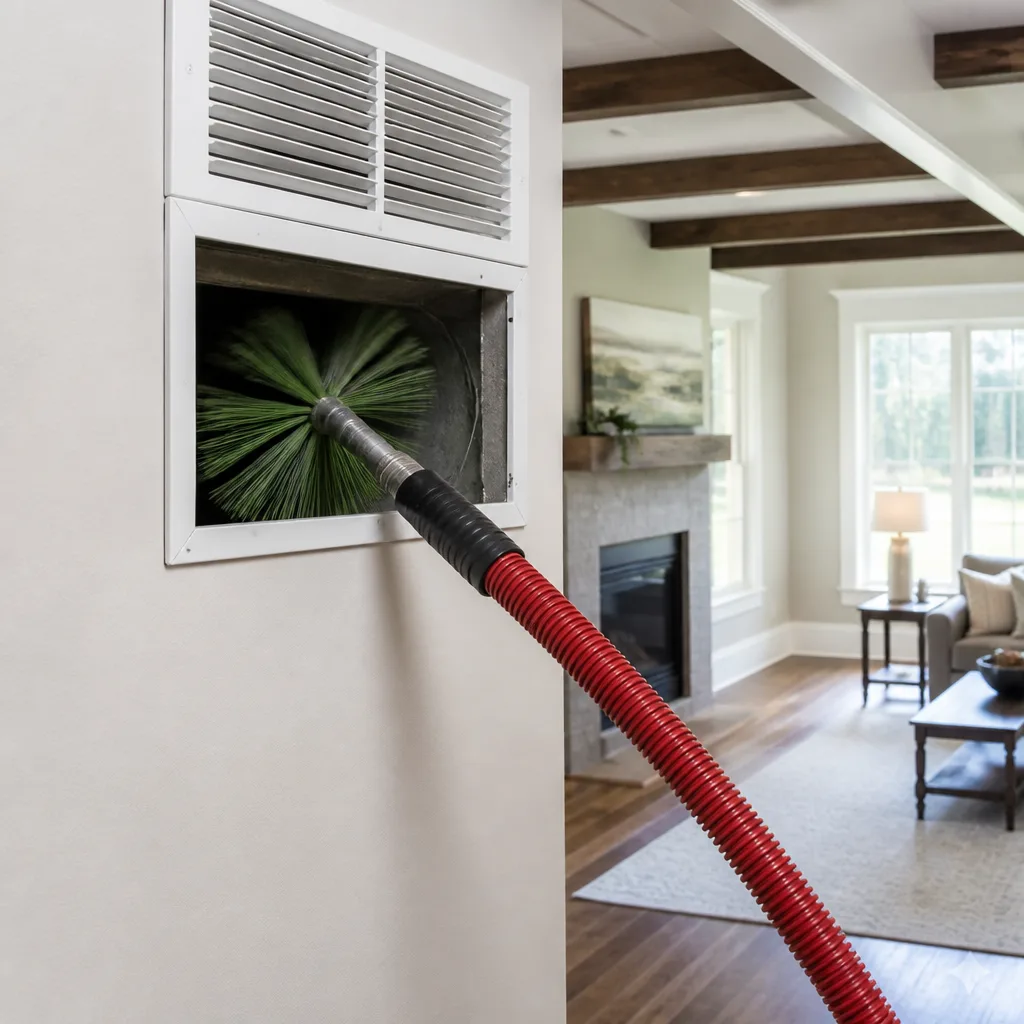
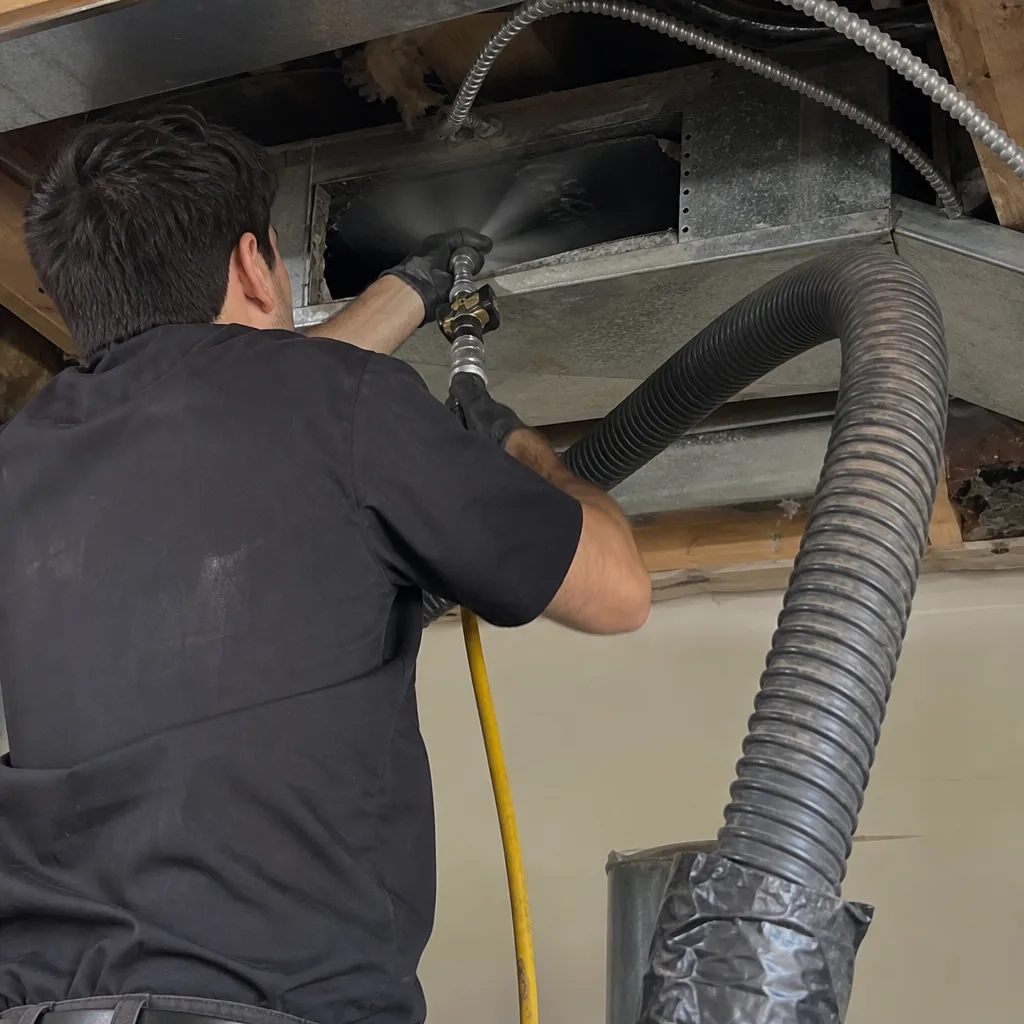
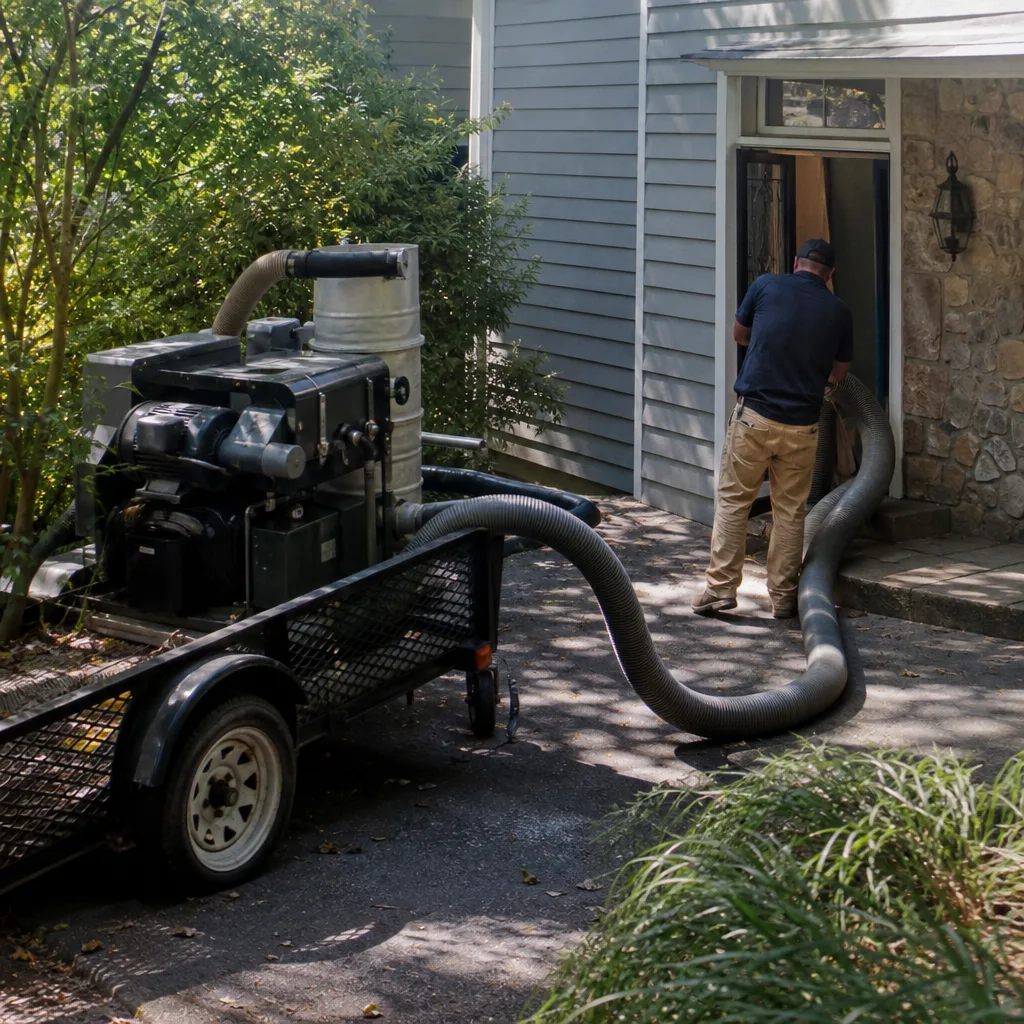
Source removal means debris is dislodged and extracted from the system, not merely redistributed. The method: negative-pressure extraction using a high-powered vacuum (typically Nikro or Abatement Technologies equipment) connected to the duct system, combined with mechanical agitation - rotary brushes, compressed air whips, or pneumatic tools - that loosen adhered material so the vacuum stream carries it out.
The photographic evidence: a before image showing visible debris on duct walls, and an after image showing the same surface with debris removed, surface texture visible, and no smearing or redistribution. In metal ductwork, you should see the original mill finish or light surface oxidation. In fiberglass duct board, you should see clean fibers without dark loading - though note that aggressive brushing can damage fiberglass, so the method must match the substrate.
Surface Wipe (Common in Low-Price Operations)
A surface wipe uses a vacuum hose inserted into registers with no system-wide negative pressure. The operator may use a rotary brush on a drill, but without containment, dislodged debris becomes airborne inside the duct and resettles within days. The photographic evidence, when it exists at all, shows a register boot that looks cleaner but duct runs that are unchanged. Some operators don’t enter the system at all - they clean visible register surfaces and call the job complete.
CleanRun’s documented photo record on every visit is designed to make this distinction visible. Haven Standard Clause 1 requires a written price before work starts; the photo record, delivered as a standard job deliverable, verifies that the work described was the work performed.
What NADCA’s ACR Standard Actually Requires
NADCA - the National Air Duct Cleaners Association - publishes the Assessment, Cleaning, and Restoration of HVAC Systems standard (ACR). Competitor websites display the NADCA logo; fewer can explain what the standard actually specifies. Here are the measurable requirements that affect your job:
- System inspection before cleaning. The standard requires visual inspection of the entire HVAC system, including duct runs, coils, blower, and plenum, to determine condition and cleaning method. This is where disconnected ducts, pest evidence, or mechanical damage are identified. A legitimate provider documents this inspection.
- Containment of the work area. Negative-pressure extraction must maintain sufficient airflow to prevent debris escape during agitation. The standard specifies that vacuum equipment must be HEPA-filtered or exhausted outside the building.
- Protection of sensitive components. Electronic air cleaners, humidifiers, and certain filter media must be bypassed or protected during cleaning. The standard prohibits cleaning methods that damage duct linings or coatings.
- Post-cleaning verification. The system must be visually inspected after cleaning to verify debris removal. The standard explicitly allows photographic documentation as verification method.
- No antimicrobial treatments without cause. The standard prohibits application of biocides or sealants as routine practice. These are only appropriate when microbial growth has been identified, documented, and the customer has been informed of EPA registration requirements and application limitations.
The ACR standard does not specify equipment brands. However, professional-grade equipment from recognized manufacturers - Rotobrush, Nikro, Abatement Technologies, Honeywell, Aprilaire, and Guardsman - is designed to meet the standard’s performance requirements. CleanRun names its equipment roster so customers can verify specifications independently.
Air Duct Cleaning Prices in Sandy Springs: A Written Guide
Most homeowners receive quotes ranging from $79 to $1,200 for the same service description, which is not a service description at all - it’s the words “air duct cleaning.” Here’s what whole-system source removal actually costs in the Sandy Springs market, based on home size and system complexity:
| Home Size / System Type | Price Range | What’s Included |
|---|---|---|
| Condo or townhome (1-2 systems, <1,500 sq ft) | $450-$650 | Full supply and return ductwork, registers, plenum, basic blower compartment; documented photo record |
| Single-family home, 1,500-2,500 sq ft (1 system) | $550-$750 | Full supply and return ductwork, registers, plenum, blower compartment; documented photo record |
| Single-family home, 2,500-4,000 sq ft (1-2 systems) | $700-$950 | Full supply and return ductwork, registers, plenum(s), blower compartment(s), coil inspection; documented photo record |
| Large home or complex system (>4,000 sq ft, 2+ systems, zoning) | $900-$1,400+ | Custom scope based on inspection; documented photo record |
Additional services, when needed:
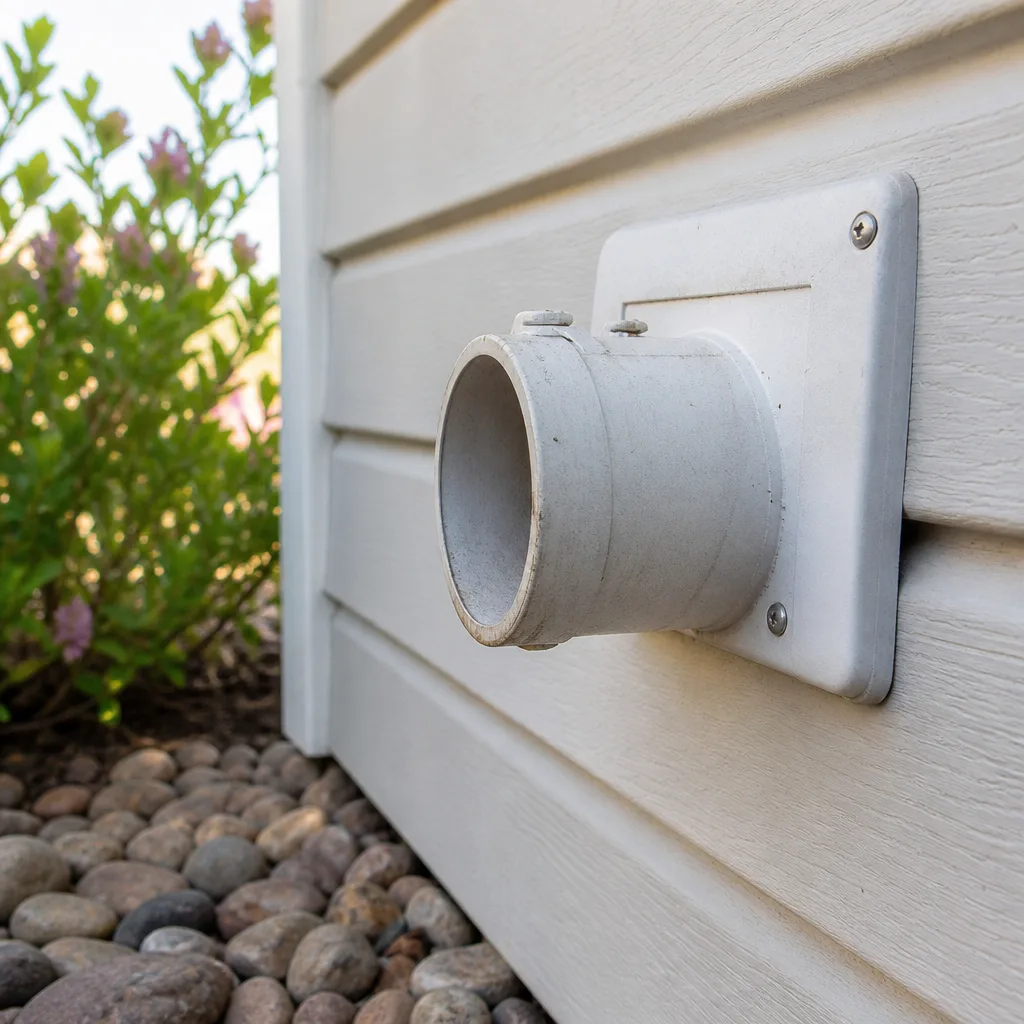
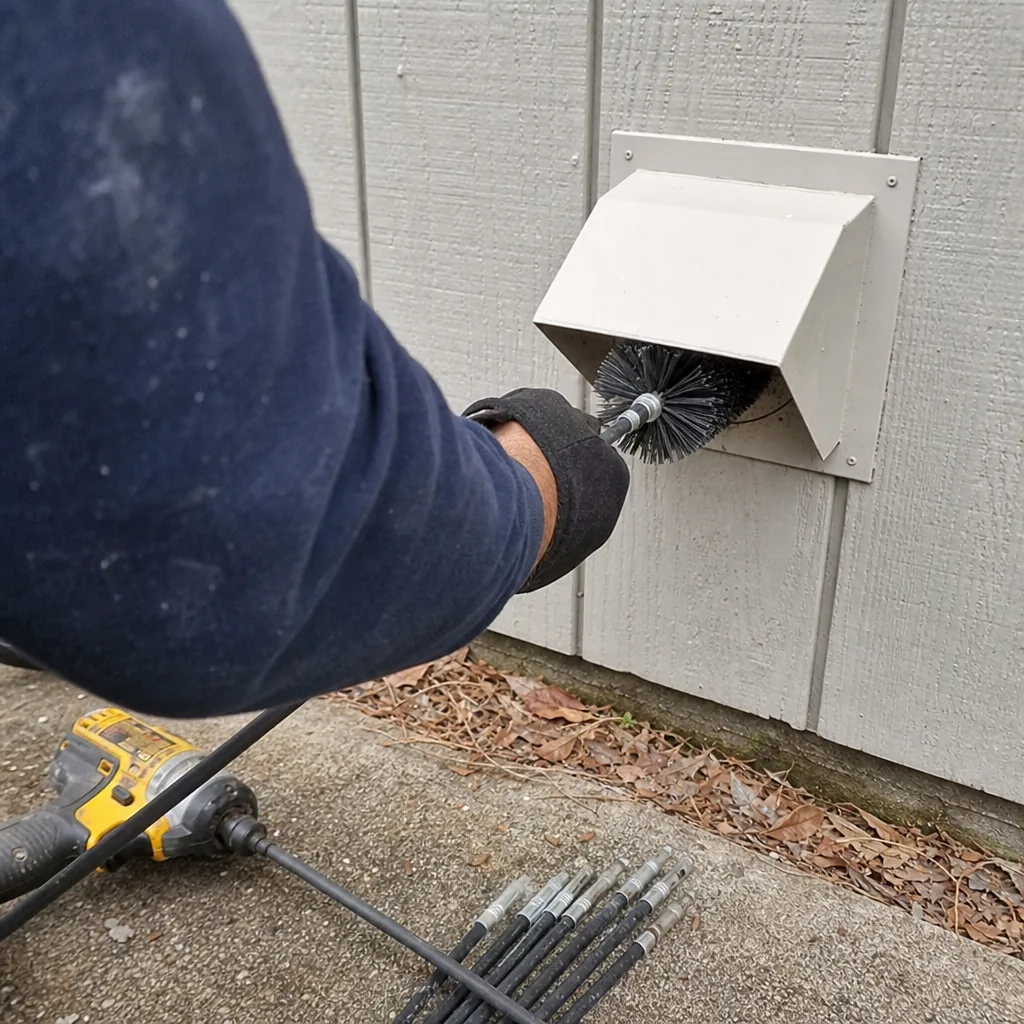
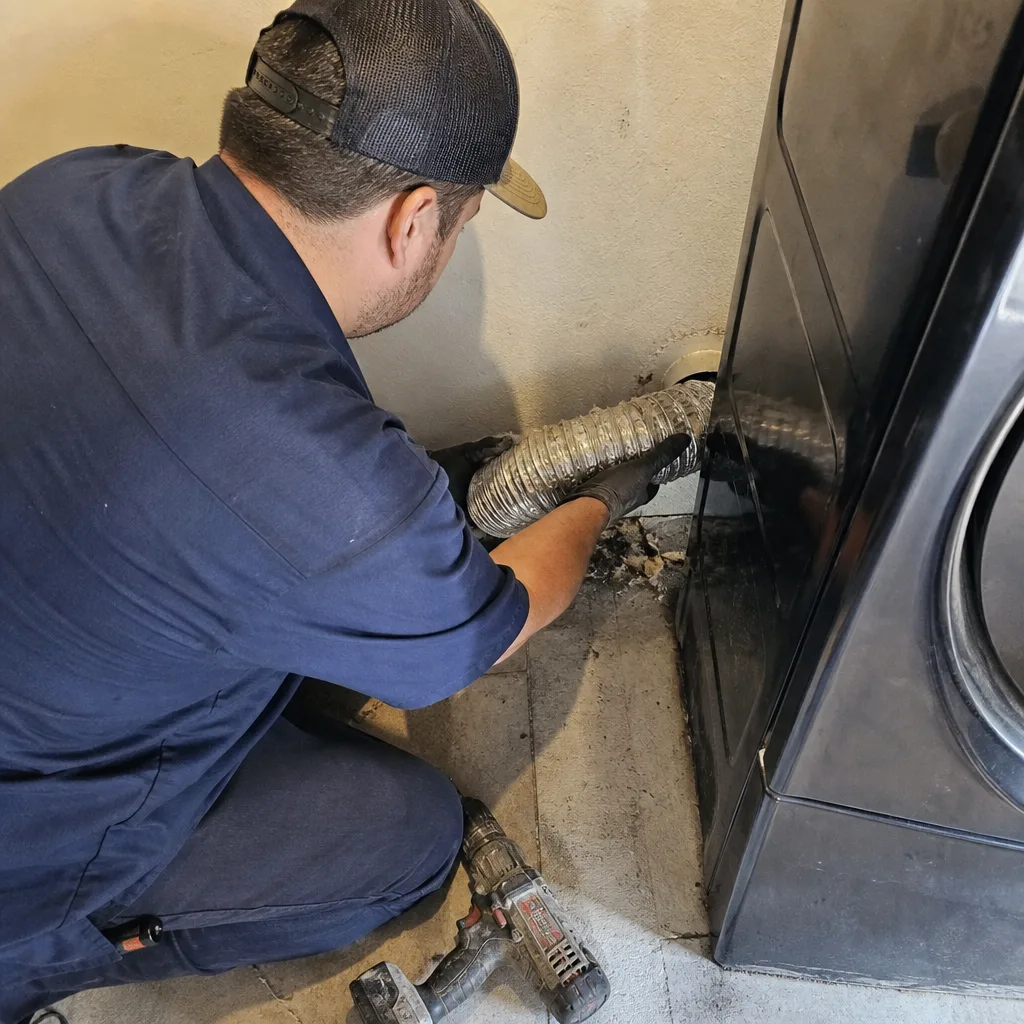
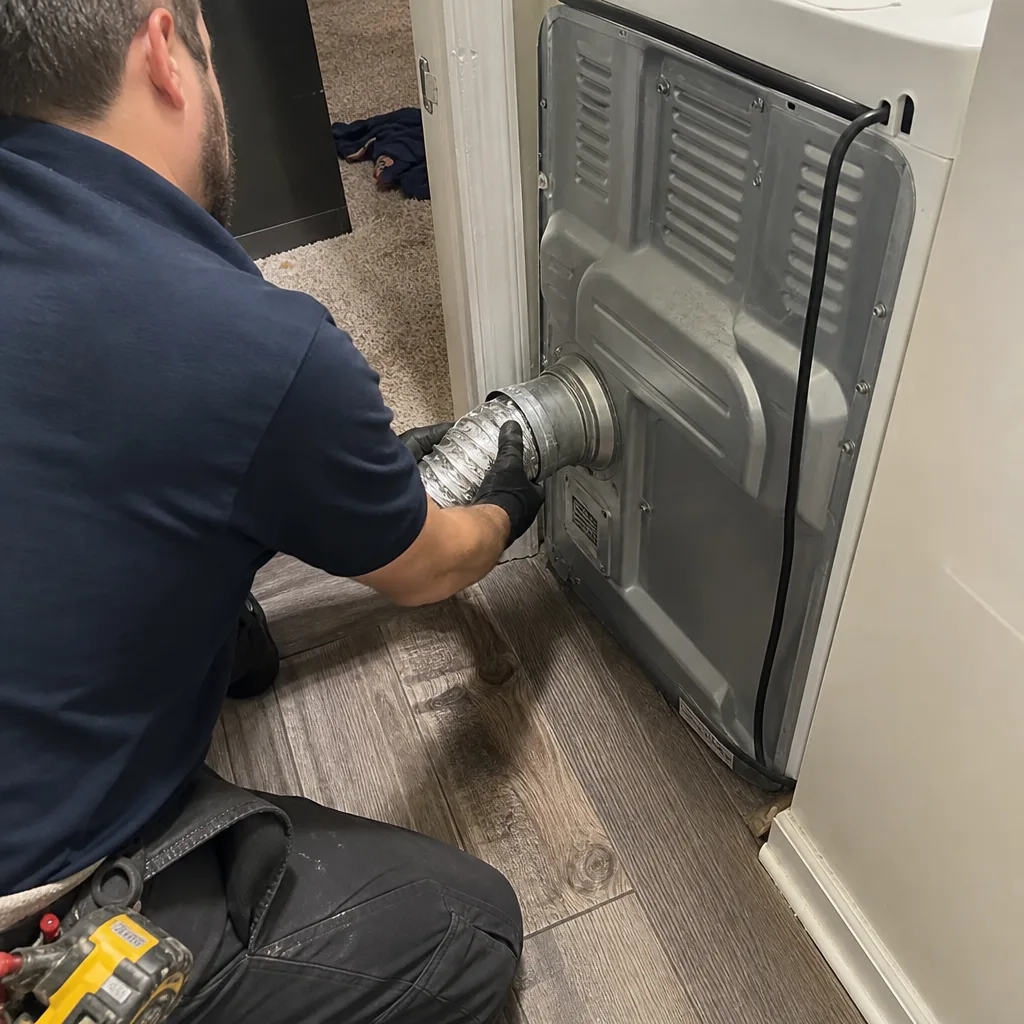
- Dryer vent cleaning: $150-$250 (recommended annually; Dryer Vent Cleaning in Sandy Springs details fire safety implications)
- Coil cleaning (evaporator or condenser): $200-$350
- Duct repair or sealing: priced per linear foot after inspection
- Air quality assessment with particle counting: $150-$200
Why Some Quotes Are Much Cheaper
The $79-$149 offers are surface wipes, not source removal. The business model: arrive with a shop vacuum, clean visible register surfaces, upsell aggressively once inside the home. We’ve been called to Sandy Springs homes where the “cleaning” took 45 minutes and the invoice reached $800 after “mold” was discovered and treated with an unlabeled spray.
Haven Standard Clause 1 exists specifically to prevent this. CleanRun delivers a written price before any work starts, every time. The price covers the whole system - no per-vent upcharges, no surprise treatments. If inspection reveals additional needs (disconnected duct, pest contamination, coil damage), we document it, explain it, and provide a separate written price for that scope. Nothing is performed without prior written agreement.
Choosing a Company: What to Verify Before You Book
The air duct cleaning industry has low barriers to entry and minimal regulation in Georgia. Here’s what to verify, with specific questions to ask - for how to hire a contractor in Sandy Springs, see our step-by-step guide:
1. Can you show me a photo record from a recent job?
Not a stock photo - a real customer’s before and after images, with identifying information redacted if needed. A company that photographs every duct run should have hundreds of examples. The absence of a photo record suggests the company doesn’t enter the system deeply enough to document it.
2. What does your written price include, specifically?
Vague language (“whole house cleaning”) is a red flag. The written scope should specify: supply ducts, return ducts, registers, plenum, blower compartment, and whether coil cleaning is included. CleanRun’s written scope itemizes each component; Haven Standard Clause 1 requires this before work begins.
3. What equipment do you use, and can I verify the specifications?
Professional-grade negative-pressure extraction systems from Nikro, Abatement Technologies, or equivalent manufacturers produce 2,000+ CFM vacuum capacity with HEPA filtration. Ask for the model number and look it up. A shop vacuum with a brush attachment is not equivalent.
4. Are your technicians employees or subcontractors?
Haven Standard Clause 3: Verified Crews requires background-checked, uniformed technicians identified by name before arrival. Subcontractor networks make this verification difficult. CleanRun technicians are employees operating under the H.A.V.E.N. Standard; their names and photos are provided at booking.
5. What happens if I’m not satisfied?
The 365-Day Done Right Promise is a written guarantee, not a policy subject to manager approval. If the work is not right, CleanRun makes it right - documented in writing on every job, not just stated in marketing copy. Ask any provider to show you the actual guarantee document before you book.
6. Will you provide a free second opinion on a competitor’s quote?
CleanRun offers this as standard practice. Bring any written estimate; we’ll inspect your system independently and put our number next to theirs in writing. No charge, no obligation. The purpose is not to undercut - it’s to help homeowners understand scope differences that explain price differences.
What Happens During a Professional Duct Cleaning Visit
Understanding the sequence helps you evaluate whether what’s happening matches what was promised. Here’s the standard CleanRun visit structure:
- Arrival and system review. Technician identifies themselves by name, reviews your written scope with you, and confirms access to all registers and the air handler location. This takes 10-15 minutes.
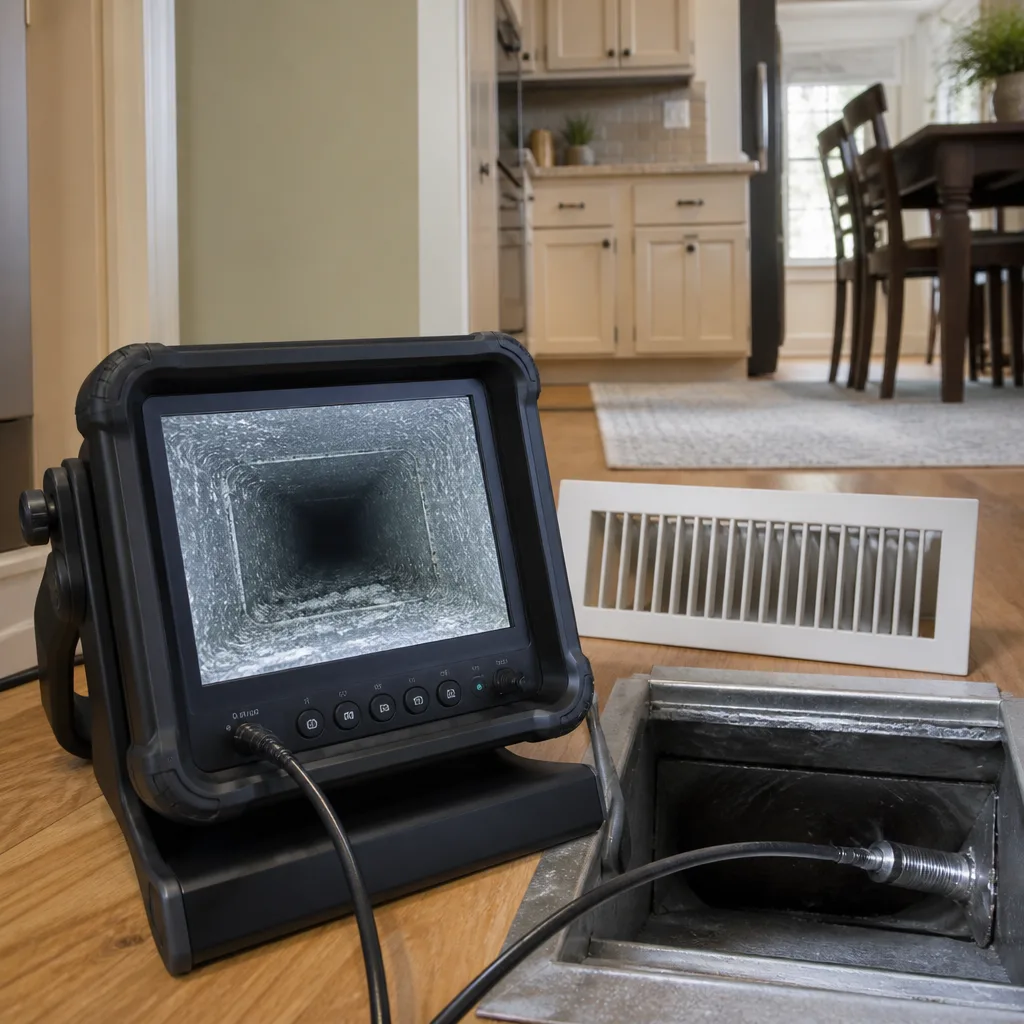
- Pre-cleaning inspection with camera. A borescope camera enters representative duct runs - typically one supply and one return per floor, plus the plenum. Images are captured and stored. If significant findings change the scope (disconnected duct, pest evidence, mechanical damage), the technician shows you the image and provides a revised written price before proceeding.
- System protection and setup. Registers are removed and protected. The negative-pressure extraction unit is connected to the duct system, typically at the plenum or a central trunk line. Sensitive components are bypassed or protected per NADCA ACR requirements.
- Agitation and extraction. Mechanical tools - rotary brushes, compressed air whips, or pneumatic devices - dislodge debris while the vacuum maintains continuous negative pressure. Each duct run is addressed individually. The technician monitors vacuum pressure to confirm seal integrity.
- Component cleaning. Blower compartment, evaporator coil (if accessible and in scope), and plenum are cleaned. These components affect airflow and air quality as directly as the ducts themselves.
- Post-cleaning verification. The camera re-enters the same locations photographed before cleaning. Images are compared and stored in your job record. The technician reviews findings with you before reassembling the system.
- System reassembly and final check. Registers are reinstalled, the system is powered on, and airflow at each register is verified. The documented photo record - before, after, and any findings - is delivered as part of your standard job documentation.
Total time: typically 3-5 hours for a single-family home, depending on system size and findings. The HVAC Cleaning in Sandy Springs page details coil and component cleaning specifically.
Common Mistakes to Avoid
- Booking based on coupon price without verifying scope. The $79 special cleans registers, not duct runs. Ask specifically whether the price includes supply ducts, return ducts, and the plenum. If the answer is vague, the scope is limited.
- Assuming all duct cleaning is the same. Surface wipe and source removal produce different results. The only verification is photographic. If a company doesn’t provide before and after images of your specific system, you have no evidence the work was performed as described.
- Ignoring the housing stock factor. A 1990s home near the Chattahoochee with crawl space ducts needs different attention than a 2018 townhome with attic flex. Sandy Springs’ varied construction eras mean “standard” cleaning isn’t standard. The inspection should reflect your home’s specific risks.
- Accepting antimicrobial treatments without documentation. NADCA ACR prohibits routine biocide application. If “mold” is discovered and treatment recommended, demand photographic evidence, lab identification if possible, and EPA registration information for any product proposed. Unlabeled sprays applied to ductwork are not legitimate remediation.
- Neglecting mechanical issues found during cleaning. Disconnected ducts, damaged flex, or failed insulation aren’t cleaning problems - they’re efficiency and comfort problems. A cleaning-only provider may note these but not repair them. Verify whether your provider can address mechanical findings or if you’ll need a separate contractor.
- Skipping the photo record review. The documentation is your deliverable. Review it before the crew leaves. Ask questions about anything unclear. The photo record is the basis for any future warranty claim under the 365-Day Done Right Promise.
- Treating duct cleaning as a one-time event. Homes with pets, recent construction, or high pollen exposure benefit from periodic cleaning - typically every 3-5 years for most Sandy Springs homes, more frequently with specific risk factors. But don’t over-clean: annual duct cleaning without cause is unnecessary expense.
When to Call a Professional
Call for inspection and likely cleaning when: visible debris blows from registers when the system starts; you notice persistent musty or stale odors when HVAC runs; rooms heat or cool unevenly despite filter changes; you’ve completed renovation work without duct protection; or it’s been more than five years since any duct inspection. In Sandy Springs’ pollen-intensive environment, homeowners with respiratory sensitivity may benefit from more frequent assessment. For DIY vs professional air duct cleaning, see our Sandy Springs homeowner’s decision guide.
Call immediately for mechanical issues: rattling or whistling from ductwork (possible disconnection), visible pest entry around duct penetrations, or water stains near the air handler or registers. These indicate problems beyond cleaning scope that affect system function and potentially safety.
CleanRun Air Duct Cleaning Sandy Springs offers free estimates in Sandy Springs - call (678) 904-9744. Every estimate includes a basic visual inspection; if you have a competitor’s written quote, we’ll provide a free second opinion with our number beside theirs.
Frequently Asked Questions
Whole-system source removal for a typical Sandy Springs single-family home runs $550-$950 depending on square footage and system configuration, with condos and townhomes starting around $450. The price should include all supply and return ductwork, registers, plenum, and blower compartment, with a documented photo record. Call (678) 904-9744 for a written estimate specific to your home - estimates are free, and we provide them in writing before any work is discussed.
Low quotes typically reflect limited scope - register surface cleaning rather than full duct run source removal - or a bait-and-switch model where the initial price is supplemented by aggressive upselling once the technician is inside. A written price that specifies exactly which components are included, delivered before work starts, is the only way to compare quotes accurately. CleanRun’s Haven Standard Clause 1 requires this written specificity on every job.
The only reliable verification is photographic documentation of your specific duct system before and after cleaning. Verbal assurances, generic “after” photos from other jobs, or equipment noise alone are not evidence. CleanRun includes a Documented Photo Record on every visit as a standard deliverable - inside every duct run, before and after - delivered to you as part of the job record.
Most Sandy Springs homes benefit from inspection every 3-5 years, with cleaning performed when the photo record shows significant accumulation. Homes with multiple pets, recent construction, or high pollen exposure may need more frequent attention. Annual cleaning without specific cause is generally unnecessary expense. The documented photo record from each visit establishes a baseline for your specific system, so timing becomes evidence-based rather than calendar-based.
Yes, in specific ways. High spring pollen loads introduce significant organic material into ductwork, and summer humidity creates conditions where that material can support microbial growth on fibrous duct surfaces. The Chattahoochee River corridor and dense tree canopy increase both pollen and humidity exposure compared to drier, more open inland areas. These factors don’t necessarily mean more frequent cleaning, but they do mean that when cleaning is needed, the biological activity risk is higher than in arid climates.
Duct cleaning addresses the distribution network - the duct runs, plenum, and registers that move air through your home. HVAC cleaning includes the mechanical components: evaporator coil, blower motor and wheel, and sometimes the condenser coil. The CleanRun Air Duct Cleaning Sandy Springs home page explains our full service range; many homeowners benefit from combining both services, but they are distinct scopes with distinct pricing. A written estimate should specify which components are included.
Homeowners can and should replace filters regularly and keep registers free of surface dust. However, source removal cleaning inside duct runs requires negative-pressure extraction equipment and mechanical agitation tools that are not available for consumer rental. More importantly, ductwork in attics and crawl spaces presents access challenges, and fiberglass-lined duct board can be damaged by improper cleaning methods. Professional assessment with photographic documentation is the appropriate starting point for any concern beyond routine maintenance. For more guides & resources on maintaining your HVAC system, visit our blog.
The Bottom Line
Air duct cleaning in Sandy Springs is a service category defined more by what isn’t delivered than by what is. The gap between promised and performed work is wide, and the homeowner’s only protection is documentation: a written price before work starts, photographic evidence of what was found and what was done, and a written guarantee that persists after the truck leaves. CleanRun has operated on these principles since 2013, serving 52,000+ homes with every job documented and every price put in writing first. In a market saturated with coupon offers and vague claims, the difference is verifiable.
Written by Tomas Reyes, Owner at CleanRun Air Duct Cleaning Sandy Springs, serving Sandy Springs since 2013.