
Last updated September 23, 2026
Whole-system duct and dryer vent check with before-and-after photos - you see exactly what came out of your vents
That "$99 whole-house special" is a bait ad - the real number appears once they are in your hallway, or the "clean" is a shop-vac at the register. We photograph the inside of your ducts before and after instead.
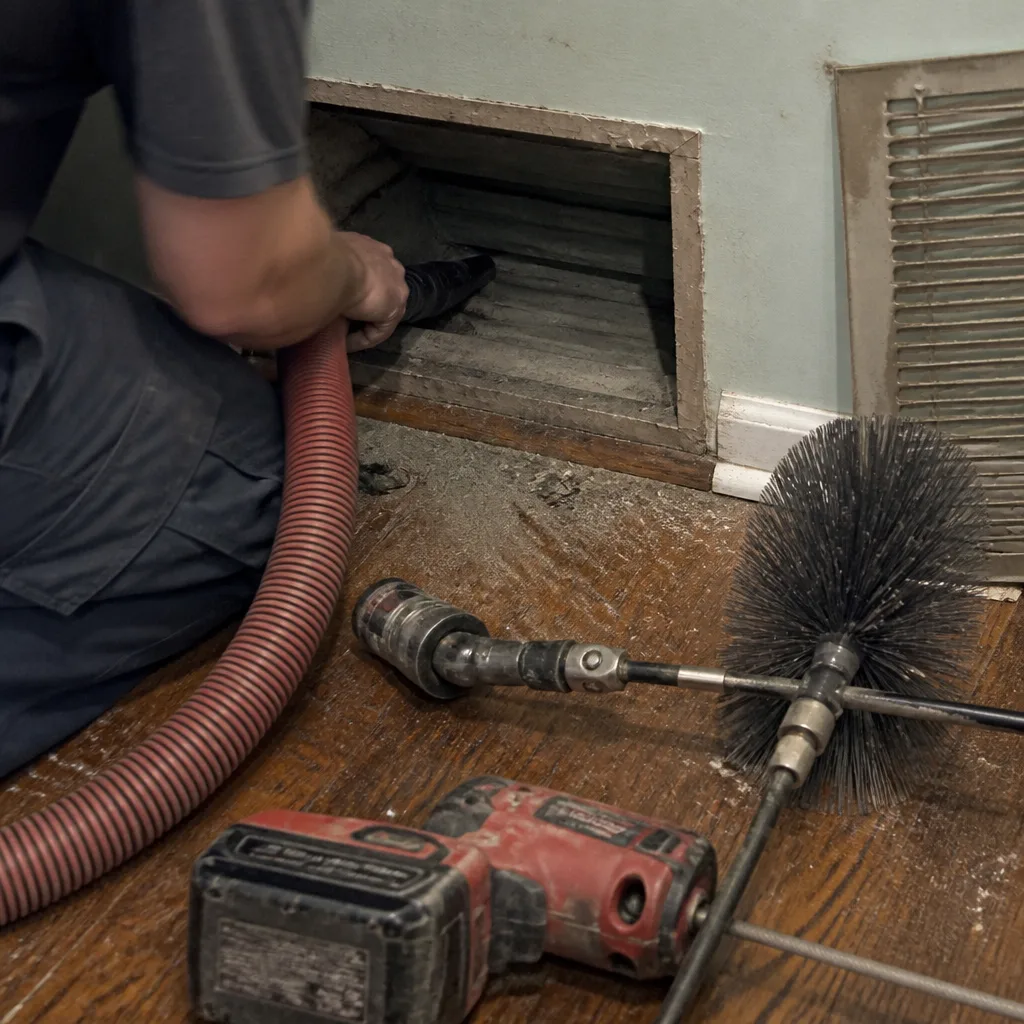 Before
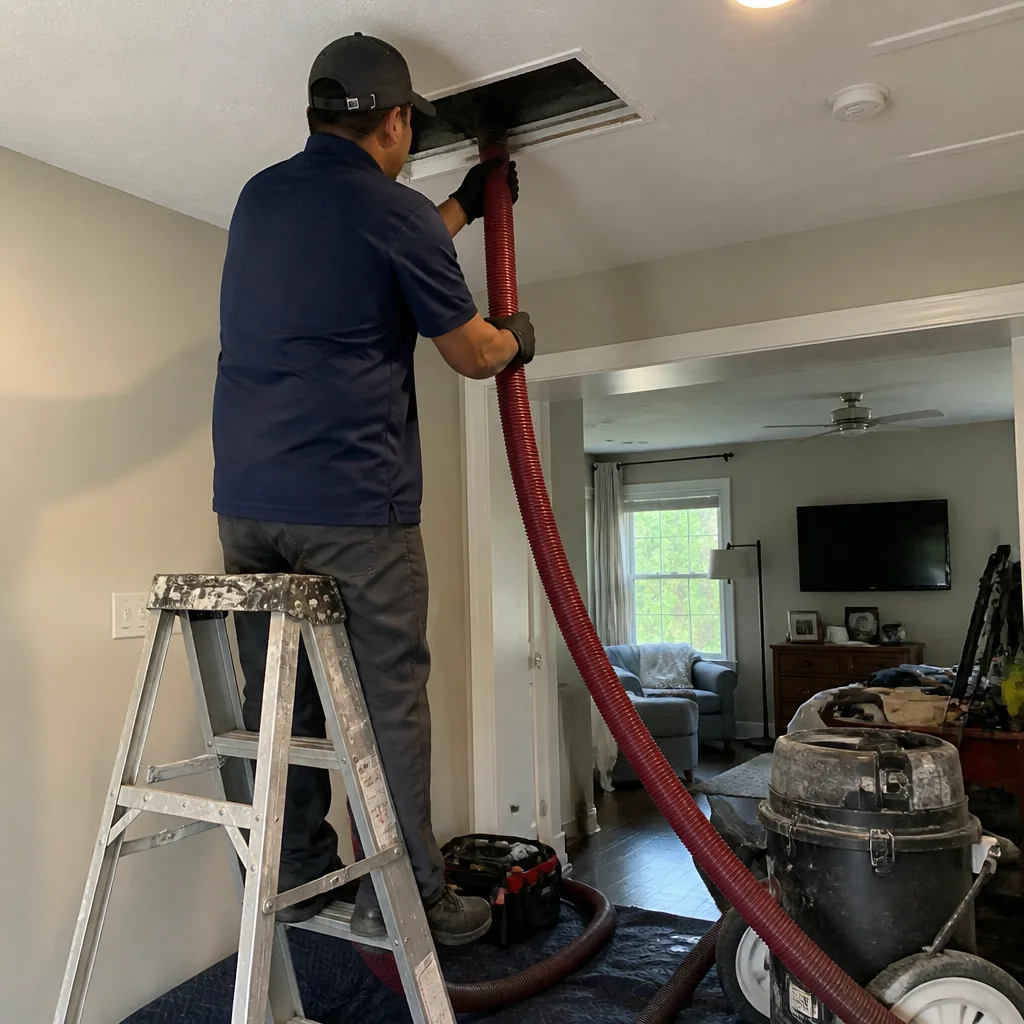 After
After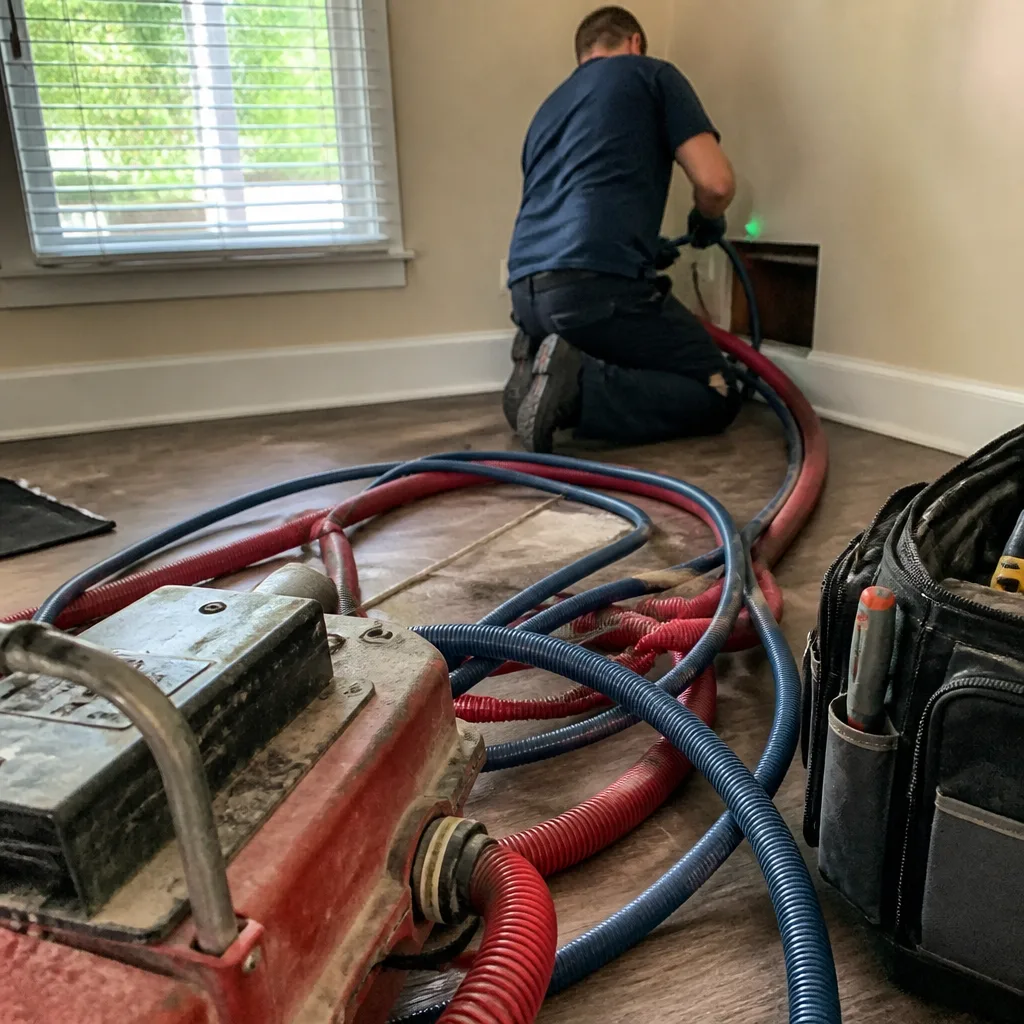 Before
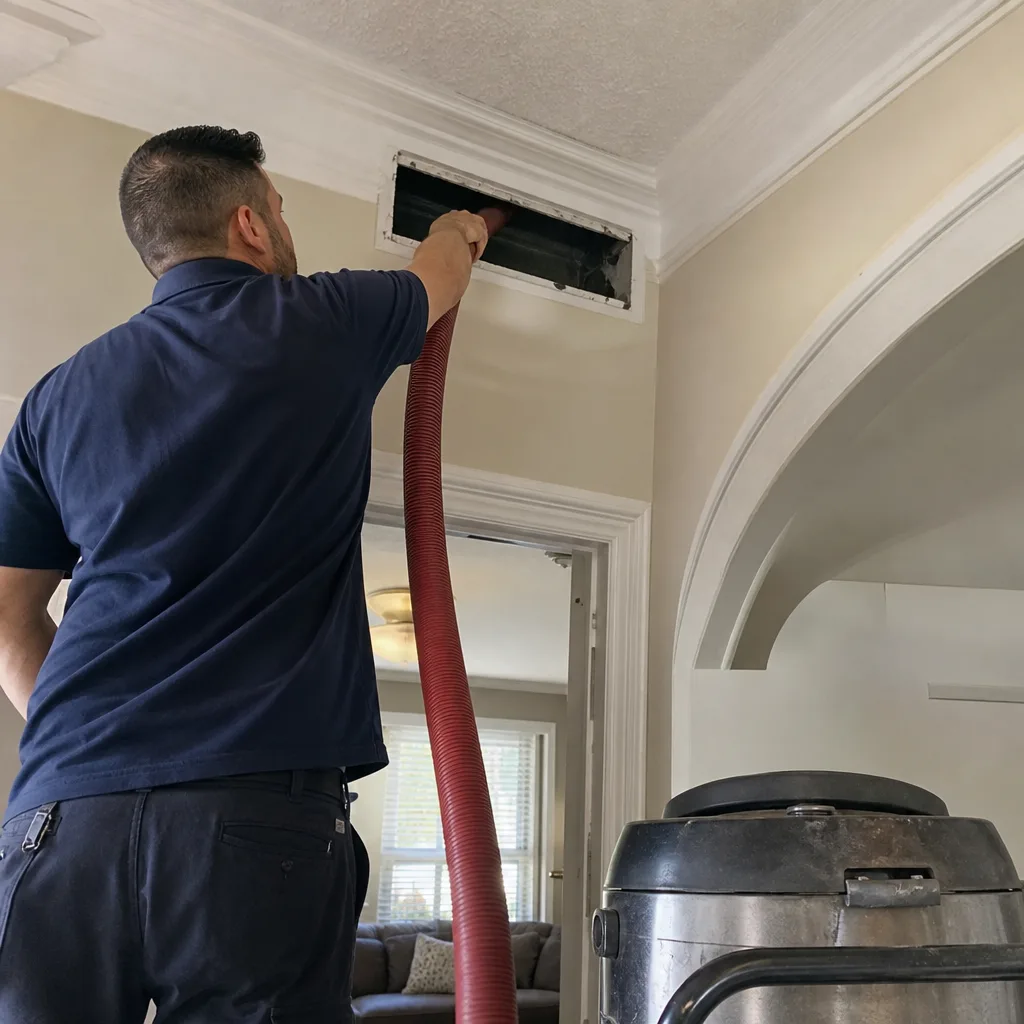 After
After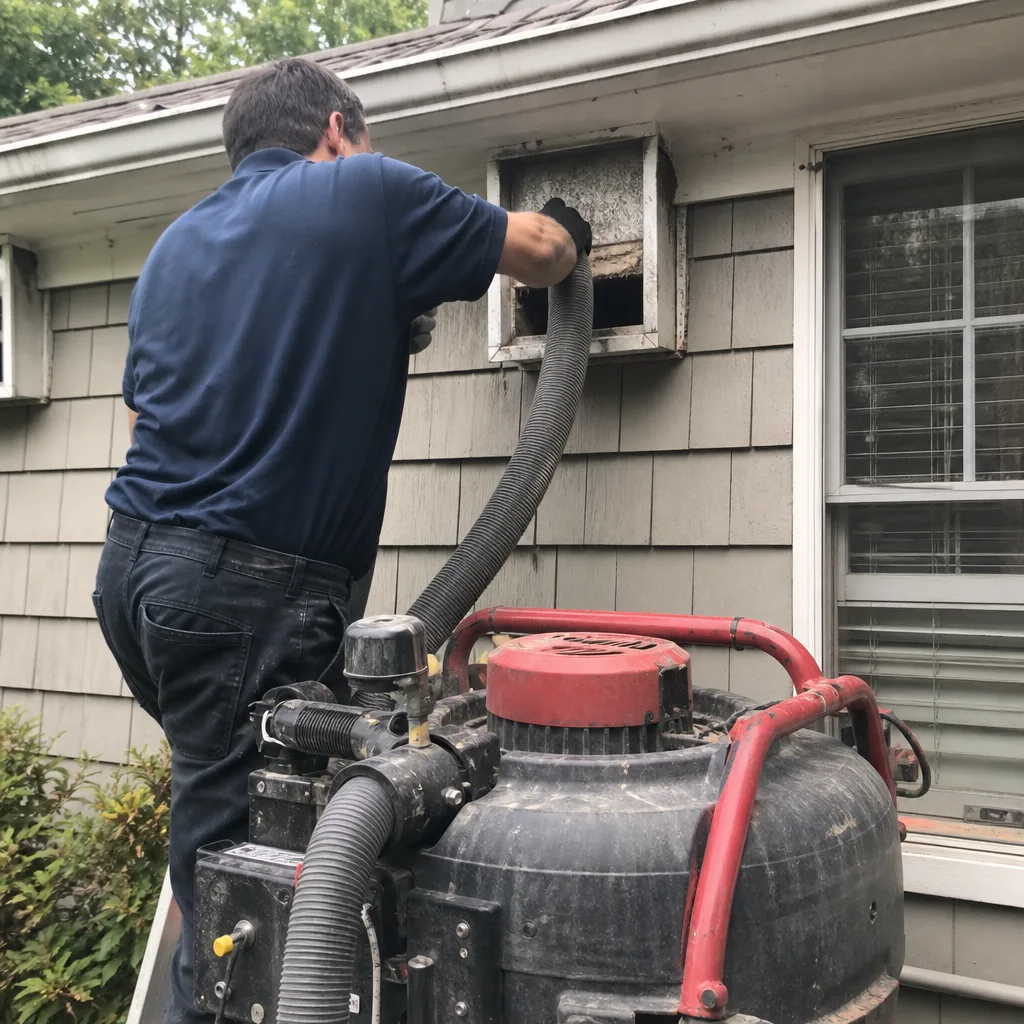 Before
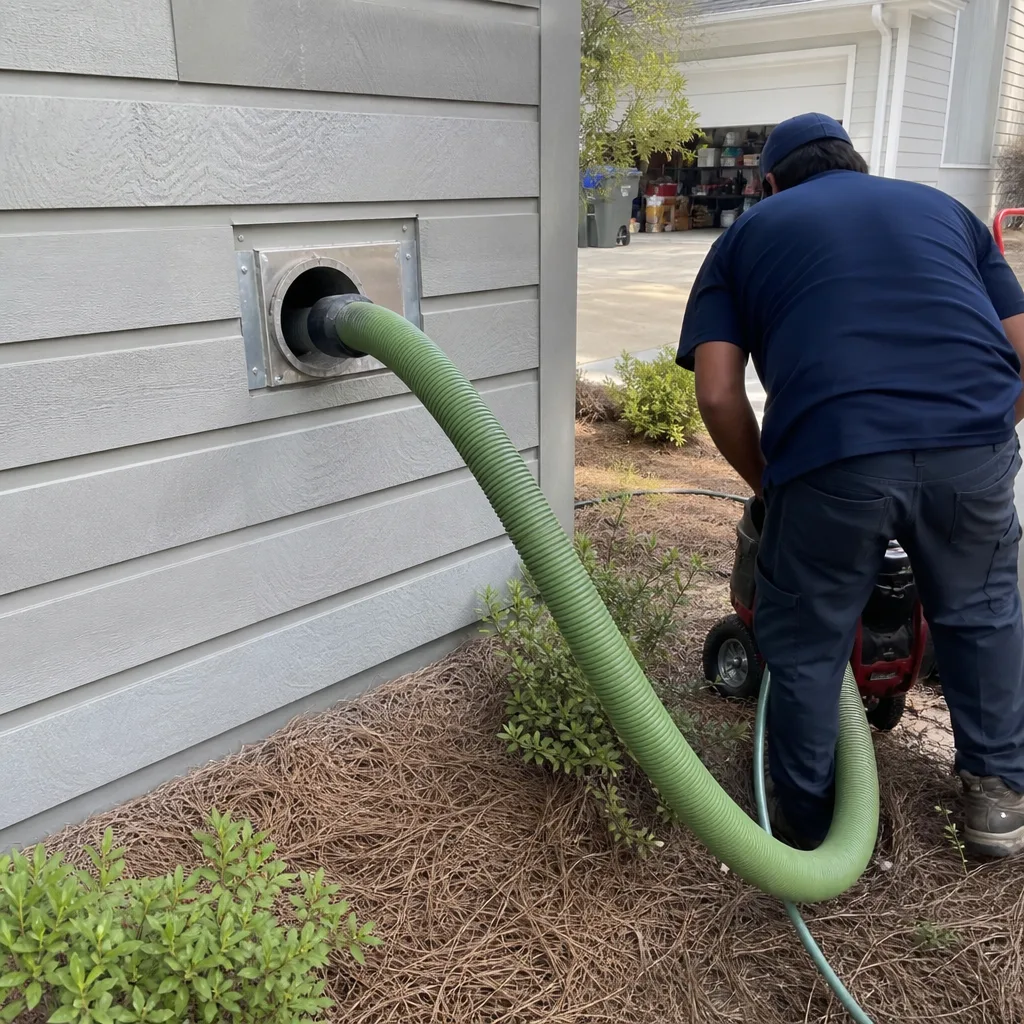 After
AfterHow to Hire a Air Duct Cleaning Contractor in Sandy Springs: A Step-by-Step Guide
The $79 coupon that dominates every Sandy Springs Google search for air duct cleaning is not a price. It is a sales tool designed to get a technician inside your home, where the actual invoice is built through a scripted escalation that most homeowners do not recognize until the work is done and the bill is three to six times higher. We have been in the Sandy Springs market since 2013, and we have seen the aftermath: customers who received a $79 quote over the phone and paid $480 for “contaminated plenum chambers” and “emergency sanitizing” they never requested. This guide teaches you to read contractor behavior as evidence, not marketing, so you can hire a legitimate Air Duct Cleaning contractor in Sandy Springs without learning the hard way.
Quick Answer
To hire a legitimate air duct cleaning contractor in Sandy Springs, demand a written, itemized price before any work begins, verify NADCA membership independently through the public directory, and require a documented photo record of every duct run before and after cleaning. Avoid any operator who quotes by the vent, advertises a flat coupon rate without an on-site inspection, or cannot name the specific equipment brand they will use on your system.
Table of Contents
- How the $79 Bait-and-Switch Actually Works
- What a Legitimate Written Quote Must Include
- How to Verify NADCA Membership (and What It Guarantees)
- Four Questions That Disqualify Most Coupon Operators
- What a Real Before/After Photo Record Looks Like
- Sandy Springs-Specific Considerations
- How to Evaluate Equipment and Methods
- Common Mistakes to Avoid
- When to Call a Professional
- Frequently Asked Questions
BeforeAfterHow the $79 Bait-and-Switch Actually Works
A legitimate air duct cleaning job on a 2,200-square-foot Sandy Springs home cannot be completed profitably for $79. The math is straightforward: equipment amortization on a negative-pressure extraction system, drive time from the perimeter of Fulton County, and a two-person crew for 3-4 hours puts the floor somewhere above $300 before a single register is touched. So how does the $79 coupon exist? It exists as a loss-leader designed to recover margin through on-site upsells that are presented as findings, not options.
Here is the typical escalation script, line by line, as we have heard it described by customers who called us for a second opinion after the fact:
- The arrival. The technician confirms the $79 price covers “basic vent cleaning” only. The plenum - the central distribution box connected to your HVAC unit - is described as a separate system requiring additional labor.
- The inspection. Using a flashlight or a basic camera, the technician shows the homeowner “heavy contamination” or “mold-like growth.” The terms are intentionally vague. No sample is taken. No lab analysis is offered.
- The first upsell. The plenum cleaning is quoted at $149-$199. The homeowner, already invested in the appointment and facing a technician in their utility closet, often agrees.
- The second upsell. The technician returns from the truck with news that the “main trunk line” - the primary supply duct - requires “deep extraction” because standard cleaning will not reach it. This adds $180-$250.
- The final escalation. Sanitizing, deodorizing, or “sealing” is presented as necessary for health reasons. This can add $100-$300 more. The final invoice: $450-$780.
The critical distinction: at no point was the homeowner given a written price for the complete job before work began. Each add-on was presented as a discovery, not a change order. Haven Standard Clause 1 exists specifically to prevent this. At CleanRun, we deliver a written price for the complete scope before a single panel comes off. If the scope changes because we find something genuinely unexpected - a disconnected duct run in the crawl space, for example - the homeowner signs a revised written scope before additional work proceeds. No exceptions.
The Sandy Springs market is particularly susceptible to this model because of our housing stock. Homes in neighborhoods like Dunwoody Panhandle, Riverside, and the older sections of Sandy Springs proper were built between 1965 and 1995 with original ductwork that has never been cleaned. The legitimate need creates a ready market for operators who exploit it.
What a Legitimate Written Quote Must Include
A written quote is not a courtesy. It is evidence. In our experience, the absence of a detailed written quote is the single strongest predictor of an invoice that will exceed the phone estimate by 300% or more. Here is what a legitimate pre-job quote must contain, item by item, and what each omission signals.
| Required Element | What It Means | What Its Absence Signals |
|---|---|---|
| Total number of supply and return registers counted on-site | The actual scope of work, verified by inspection | Price will escalate based on “extra vents found” |
| Plenum cleaning included or explicitly excluded | The central distribution box is the most labor-intensive component | First upsell opportunity reserved |
| Main trunk line access and cleaning | The primary ducts that carry air to branch lines | “Deep extraction” upsell pending |
| Equipment brand and method named | Negative-pressure extraction, rotary brush, or hybrid - with brand | Shop-vac or unverifiable equipment likely |
| Flat price for complete system, not per-vent | Total cost known before work starts | Price built incrementally through add-ons |
| Photo documentation included as standard deliverable | Proof of work performed, delivered to customer | No accountability for actual cleaning performed |
| Warranty or guarantee in writing | Recourse if work is incomplete or ineffective | Verbal promises only, unenforceable |
In Sandy Springs, we encounter two common omissions that should disqualify a contractor immediately. First, the “per-vent” quote: $25 per supply, $35 per return, with the total calculated after the job. This structure guarantees escalation. A typical Sandy Springs home has 12-18 vents; at $25 each, that is $300-$450 before returns, plenum, or trunk lines are addressed. The coupon operator knows this and uses the per-vent structure to appear transparent while ensuring the final price exceeds the “starting at” figure by design.
Second, the exclusion of the plenum. The plenum is the sheet-metal box directly attached to your air handler. It is where supply and return air mix and distribute. It is also where the heaviest debris accumulates because it is the largest surface area with the lowest air velocity. Any quote that treats the plenum as optional or separate is not a quote for air duct cleaning. It is a quote for register vacuuming.
At CleanRun, our written quotes under Haven Standard Clause 1 specify every component by name: supply registers, return registers, plenum, main trunk lines, and accessible branch ducts. The price is flat per system, not per vent. The customer signs before work begins and receives a copy. This is not our preference. It is our standard, applied to every job since 2013.
How to Verify NADCA Membership (and What It Guarantees)
The National Air Duct Cleaners Association (NADCA) maintains a public, searchable membership directory at nadca.com. Verification takes under two minutes and is the single most reliable credential check you can perform before scheduling. Here is the exact process:
- Navigate to nadca.com and select “Find a Professional” from the main menu.
- Enter the company’s exact business name or the city “Sandy Springs” and state “Georgia.”
- Verify that the company name, address, and contact information match what appears on the contractor’s website or marketing materials.
- Click through to the member profile and confirm the membership status shows “Active.”
What NADCA membership actually guarantees: the company has paid annual dues, agreed to abide by NADCA’s code of ethics, and has at least one technician who has completed NADCA’s certification training (Air Systems Cleaning Specialist, or ASCS). It does not guarantee pricing fairness, equipment quality, or customer satisfaction. NADCA does not inspect member jobs or audit invoices. A NADCA member can still employ the bait-and-switch model. What membership does provide is a baseline: the company has invested in industry education and has a public record you can verify.
What NADCA membership does not guarantee: low prices. In fact, legitimate NADCA members typically charge more than coupon operators because they carry proper insurance, maintain certified equipment, and pay technicians as employees rather than 1099 contractors paid on commission. In the Sandy Springs market, expect NADCA-member pricing for a complete residential system cleaning to fall between $400 and $700 for homes between 1,800 and 3,500 square feet. See our Air Duct Cleaning Cost Breakdown: The Sandy Springs Homeowner’s Reference for 2026 for detailed line-item context. The $79 operator is almost never a member, and a quick directory check will confirm it.
We are not currently NADCA members at CleanRun. We state this directly because evidence-first communication means acknowledging what we are and are not. Our credentials are independently verifiable: state-licensed, insured and bonded, background-checked crews under Haven Standard Clause 3, and a documented photo record on every job since 2013. We encourage every homeowner to verify NADCA membership as one step in a broader evaluation, not as a sole criterion.
Four Questions That Disqualify Most Coupon Operators
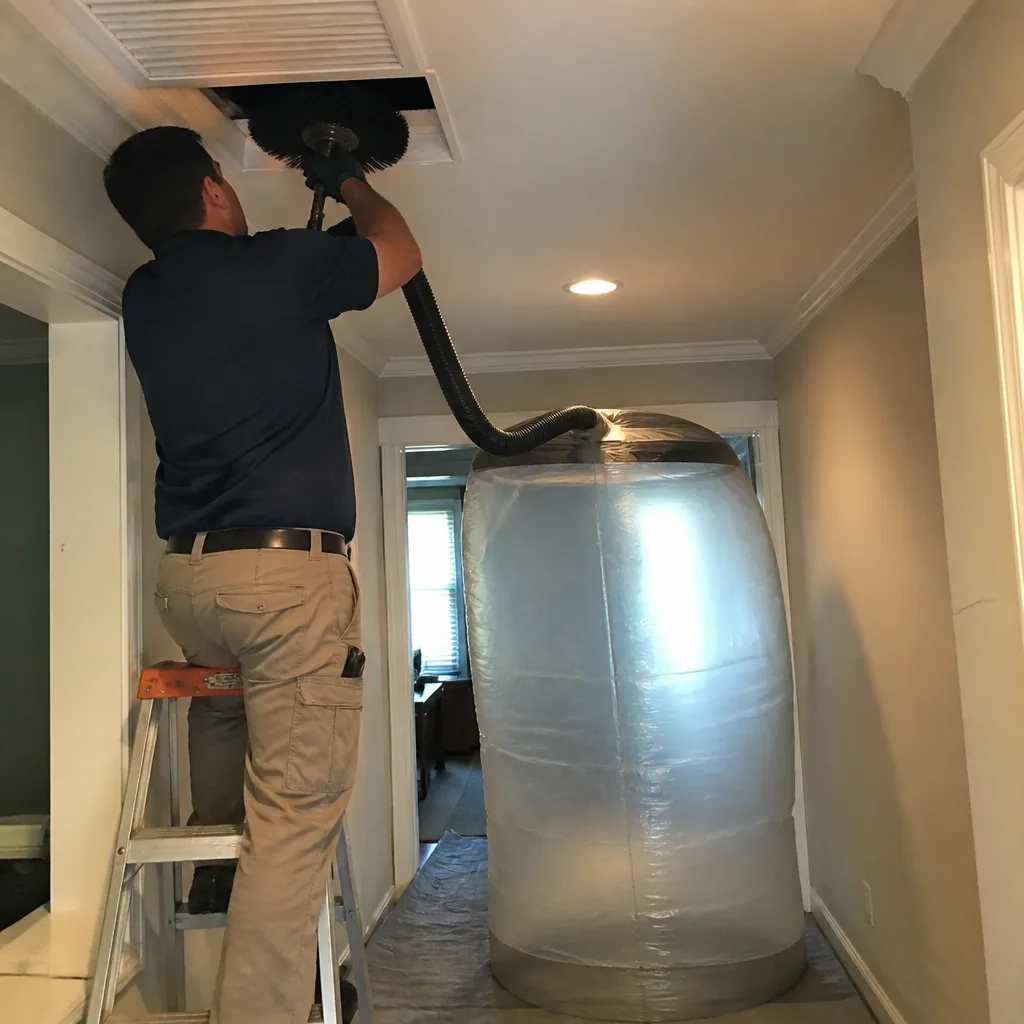
These four questions can be asked by phone or email before any appointment is scheduled. The answers, or the evasion, will tell you everything you need to know. We have refined these over twelve years of listening to how coupon operators respond when pressed for specifics.
Question 1: “Will you provide a written, itemized quote for the complete system before any work begins, and is that quote binding?”
The legitimate answer is yes, with specifics. The operator should describe what “complete system” means: registers, plenum, trunk lines, and accessible branches. If the response is “we’ll assess when we get there” or “the technician will go over everything on site,” the price is designed to change. Haven Standard Clause 1 requires our written price to be delivered and signed before work starts. No legitimate operator should resist this request.
Question 2: “What brand and model of equipment will be used on my system, and what method - negative-pressure extraction, rotary brush, or both?”
The legitimate answer names specific equipment. At CleanRun, we use Nikro and Abatement Technologies negative-pressure systems, with rotary brush agitation from Rotobrush where duct construction permits. These are brands any homeowner can research independently. If the operator cannot name a brand, or responds with “professional-grade truck-mounted equipment” without specificity, they are concealing shop-vac level tools. The method matters too: negative-pressure extraction - using a large vacuum to create suction throughout the system while agitation tools loosen debris - is the NADCA-recommended approach for residential ductwork. Rotary brush alone, or vacuum-only without containment, is insufficient.
Question 3: “Will I receive before-and-after photos of every duct run, and can you email me a sample photo record from a previous job?”
The legitimate answer is yes, with a sample provided. A documented photo record is not a bonus. It is proof that work was performed and performed correctly. At CleanRun, every job since 2013 has concluded with a photo record of every duct run, delivered to the customer as part of the standard job record. If the operator hesitates, claims photos are “available upon request,” or offers only a single “representative” image, they are not documenting your specific job. The request for a sample from a previous job - with identifying information redacted - is a reasonable test of whether the documentation system actually exists.
Question 4: “What does your warranty or guarantee cover, and will I receive it in writing?”
The legitimate answer specifies duration, scope, and process. Our 365-Day Done Right Promise covers the complete scope of work: if any duct run shows remaining debris, if a register was missed, or if airflow improvement is not measurable, we return and correct it. The guarantee is written on every invoice, not stated in marketing copy and subject to manager discretion. If the operator offers only a “satisfaction guarantee” without defining what satisfaction means or how it is measured, the guarantee is a phrase, not a promise.
Any operator who answers all four questions with specificity, in writing, before scheduling, is almost certainly legitimate. Any operator who deflects, delays, or responds with “the technician can explain everything” is almost certainly operating the coupon model.
What a Real Before/After Photo Record Looks Like
The photo record is where the difference between real work and vacuum noise becomes visible. We have seen “after” photos from competitors that show a clean register face - the visible grille - while the duct behind it remains unchanged. A legitimate photo record documents the inside of the duct run, not the cosmetic surface.
Here is what a complete photo record from a legitimate job should include:
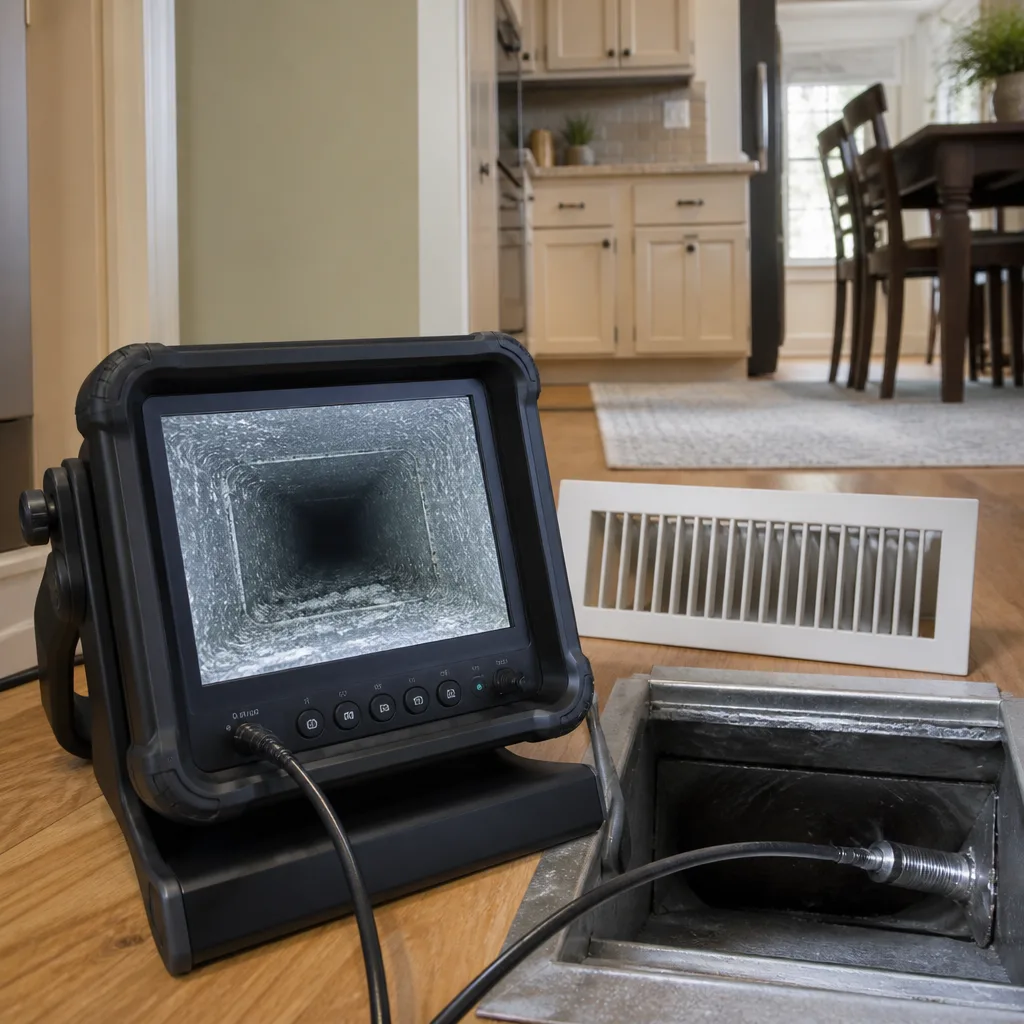
- Each supply register: Photo of the register face for identification, then photo looking into the duct run showing the interior surface before cleaning, and the same angle after cleaning.
- Each return register: Same sequence. Return ducts typically show heavier debris accumulation because they are not filtered as effectively as supply ducts.
- The plenum: Wide-angle photo showing the interior surfaces before and after. The plenum is the largest single surface area and the most labor-intensive to clean properly.
- Main trunk lines: Photos from access points showing the horizontal duct runs before and after. These require cutting access panels if none exist, which should be noted in the written scope.
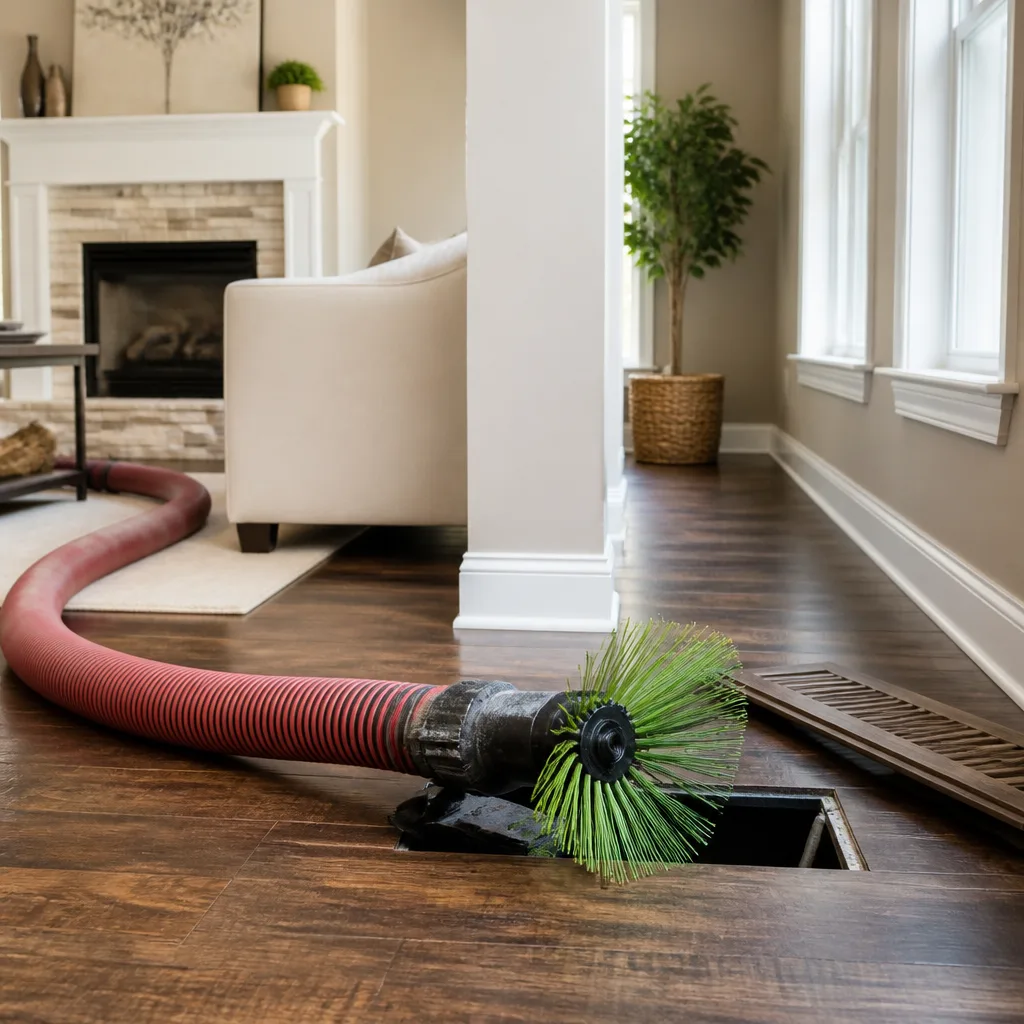
- Equipment in operation: Photo of the negative-pressure vacuum connected to the system, with the brand visible. This verifies the method used.
The photo record should be delivered to you, not merely shown on a tablet during the final walkthrough. At CleanRun, the complete photo record is part of the standard job record, delivered electronically within 24 hours. You can review it at your leisure, compare it to the written scope, and verify that every component listed was addressed.
How to request this in writing before the job starts: send an email or text message stating, “Please confirm that I will receive before-and-after photos of every duct run, including the plenum and trunk lines, as part of the standard job record.” A legitimate contractor will confirm without hesitation. A coupon operator will either ignore the request or respond with qualifications: “photos of representative areas” or “upon request.” These qualifications mean the documentation system does not exist.
Sandy Springs-Specific Considerations
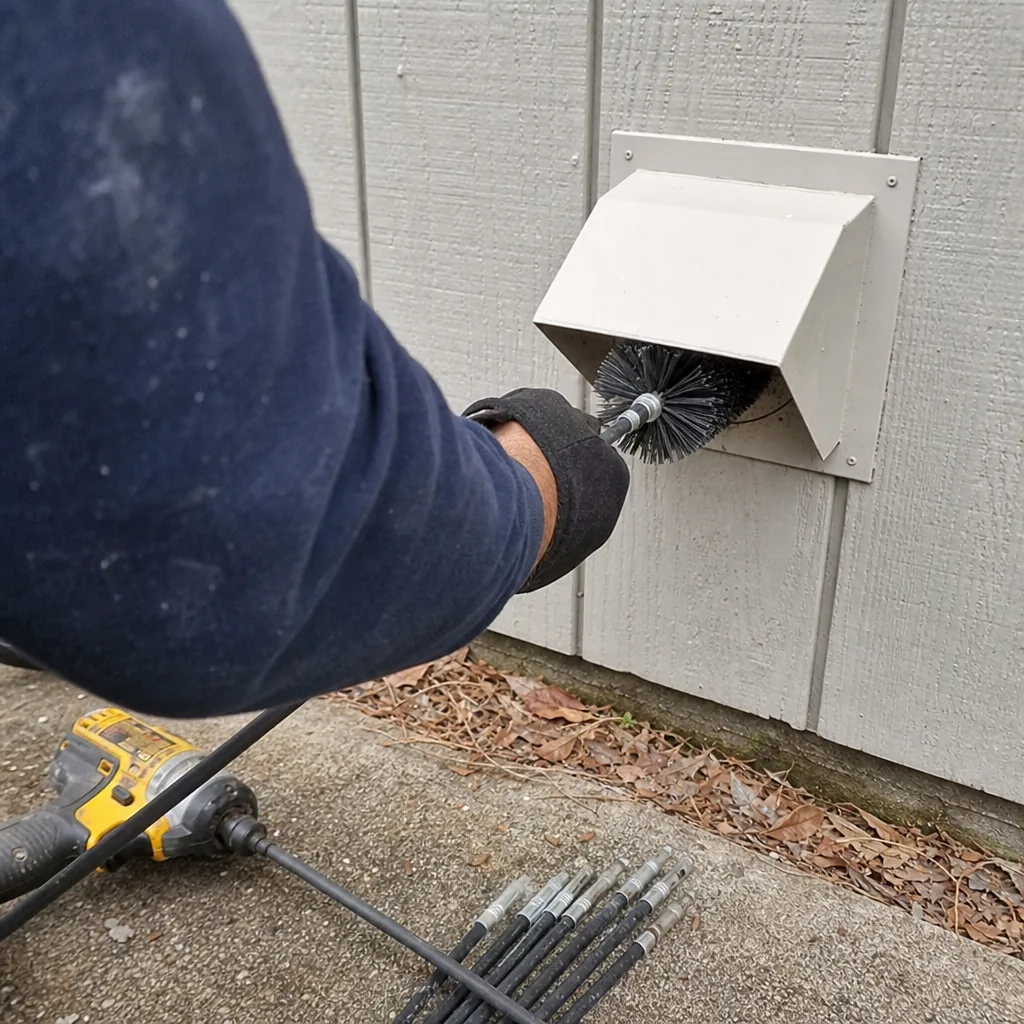
Sandy Springs presents conditions that affect both the need for duct cleaning and the evaluation of contractors. Understanding these local factors helps you assess whether a contractor’s recommendations are specific to your home or generic sales script.
Climate and seasonal patterns. Sandy Springs sits at the transition between the Piedmont and the Coastal Plain, with hot, humid summers and mild winters that still require heating. This combination creates ideal conditions for microbial growth in ductwork. Summer humidity peaks above 80% regularly, and HVAC systems run continuously from May through September. Condensation in supply ducts, particularly in homes with oversized units that short-cycle, is common. A legitimate contractor should ask about your summer humidity levels and whether you have observed condensation on registers. For Seasonal Air Duct Cleaning Care for Sandy Springs: Year-Round Homeowner’s Guide, humidity management is central. The coupon operator rarely asks; they simply declare “mold” and upsell sanitizing.
Housing stock and duct age. The Sandy Springs market includes significant inventory from the 1970s through 1990s, particularly in neighborhoods along Roswell Road and in the Dunwoody Panhandle area. Original ductwork in these homes is typically galvanized steel with fiberglass liner, or early flexible duct. Both degrade: steel rusts at seams, fiberglass liner delaminates and sheds particles, and flex duct collapses or develops holes. A legitimate contractor should inspect duct condition and note any damage that requires repair, not merely cleaning. We have replaced flex duct in Sandy Springs homes where the original 1980s installation had disintegrated to the point that cleaning was impossible.
Local code and permit context. Air duct cleaning does not require a permit in Sandy Springs or Fulton County. However, duct repair, modification, or replacement of components within the HVAC envelope may require compliance with Georgia state mechanical code. A contractor performing significant repair work should be able to reference applicable code sections. At CleanRun, we are state-licensed for mechanical work and can perform repairs that cleaning-only operators cannot.
Neighborhood-specific patterns. In Riverside and the older sections near the Chattahoochee River, we regularly see elevated debris accumulation from mature tree cover and seasonal pollen. Homes near I-285 and GA-400 corridors show higher particulate loading from traffic-related pollutants. A contractor with genuine Sandy Springs experience should reference these patterns specifically, not generically. When we inspect a home in the River Chase subdivision, we expect different conditions than a 2018 build in City Springs. The coupon operator treats every home identically because they are following a script, not building local knowledge.
How to Evaluate Equipment and Methods
The equipment a contractor brings to your home determines what can and cannot be accomplished. The brands named on the truck or in marketing materials should match what is actually connected to your system. Here is how to evaluate what you are told and what you observe.
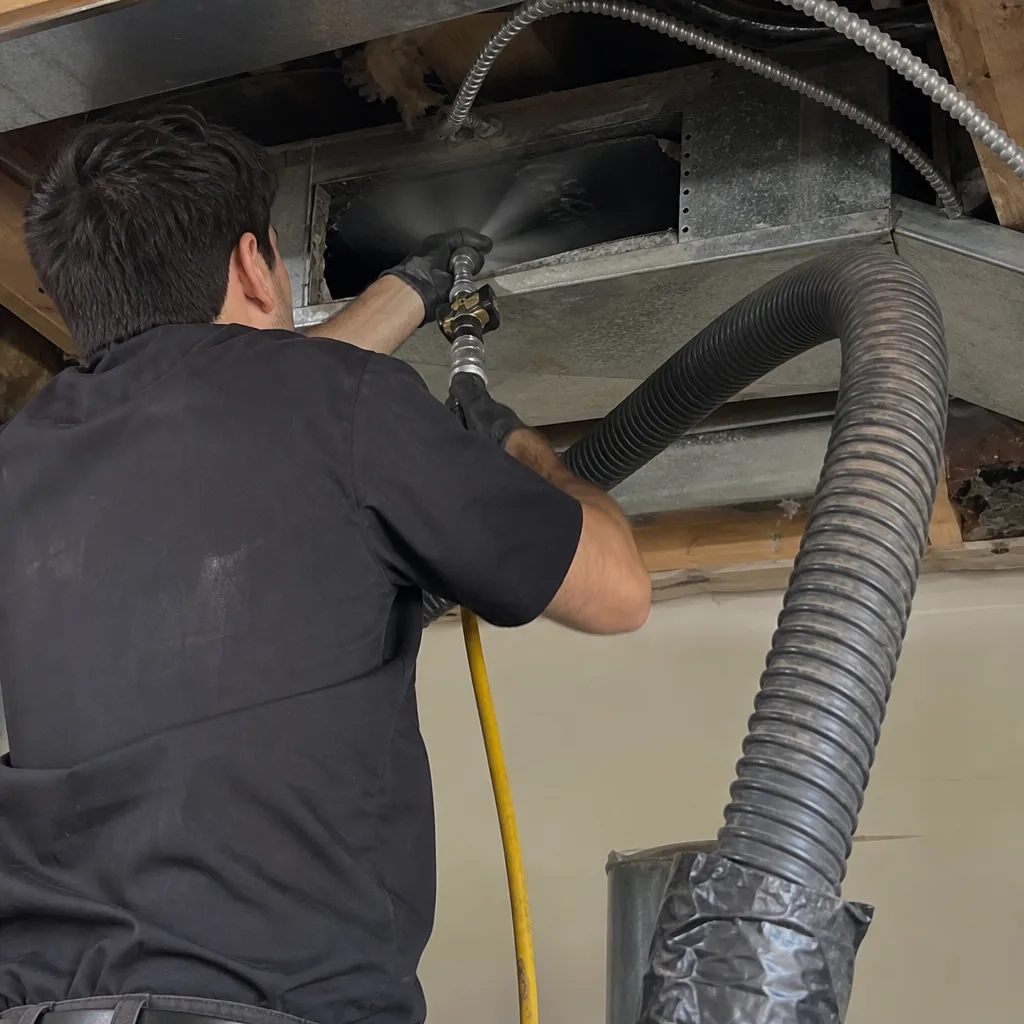
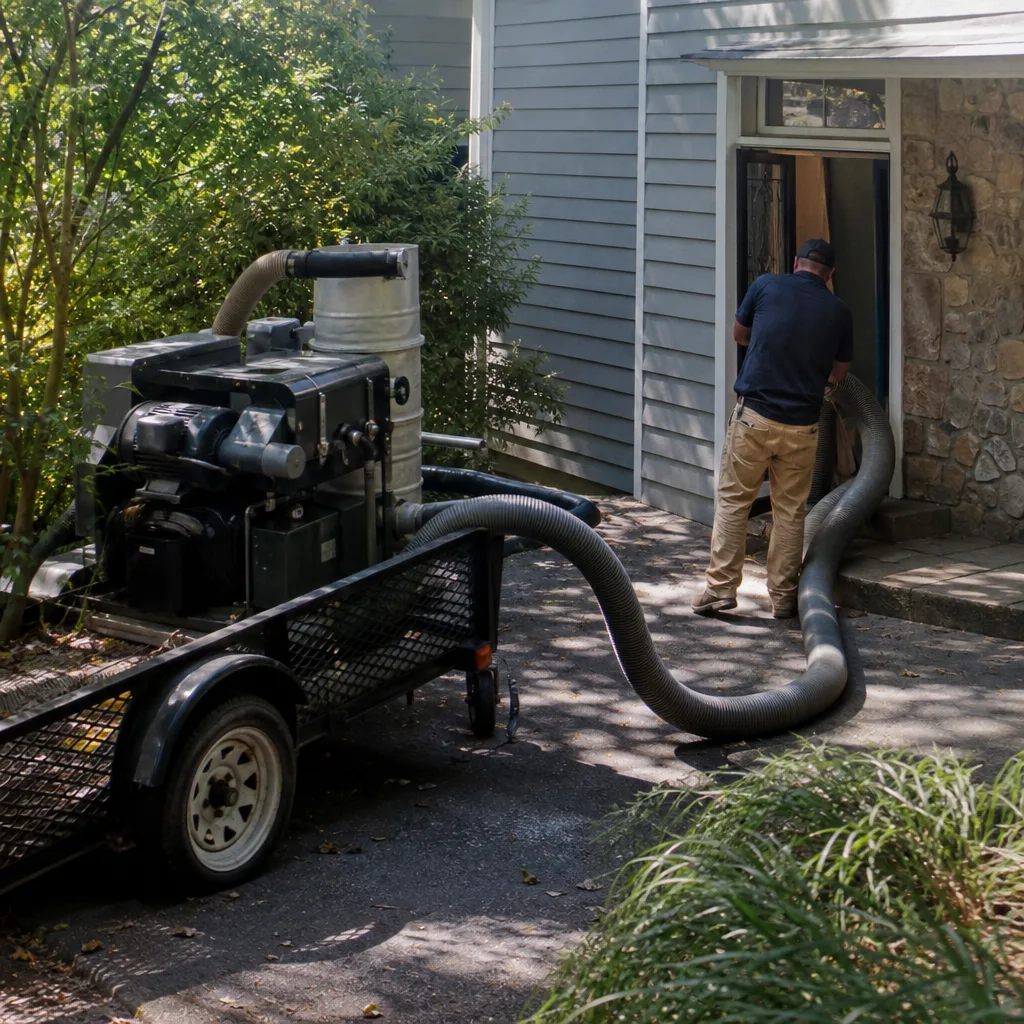
Negative-pressure extraction systems. These are large, truck-mounted or portable HEPA-filtered vacuums that create suction throughout the duct system. The industry-standard units are manufactured by Nikro, Abatement Technologies, and similar trade-recognized brands. A Nikro HP20 or Abatement Technologies PREDATOR series unit provides sufficient airflow (typically 5,000+ CFM) to maintain negative pressure across a residential system. These units are visibly substantial: not a shop vacuum, not a carpet cleaning extractor repurposed with a duct attachment. When the technician arrives, ask to see the vacuum unit before it is connected. The brand should be visible on the housing.
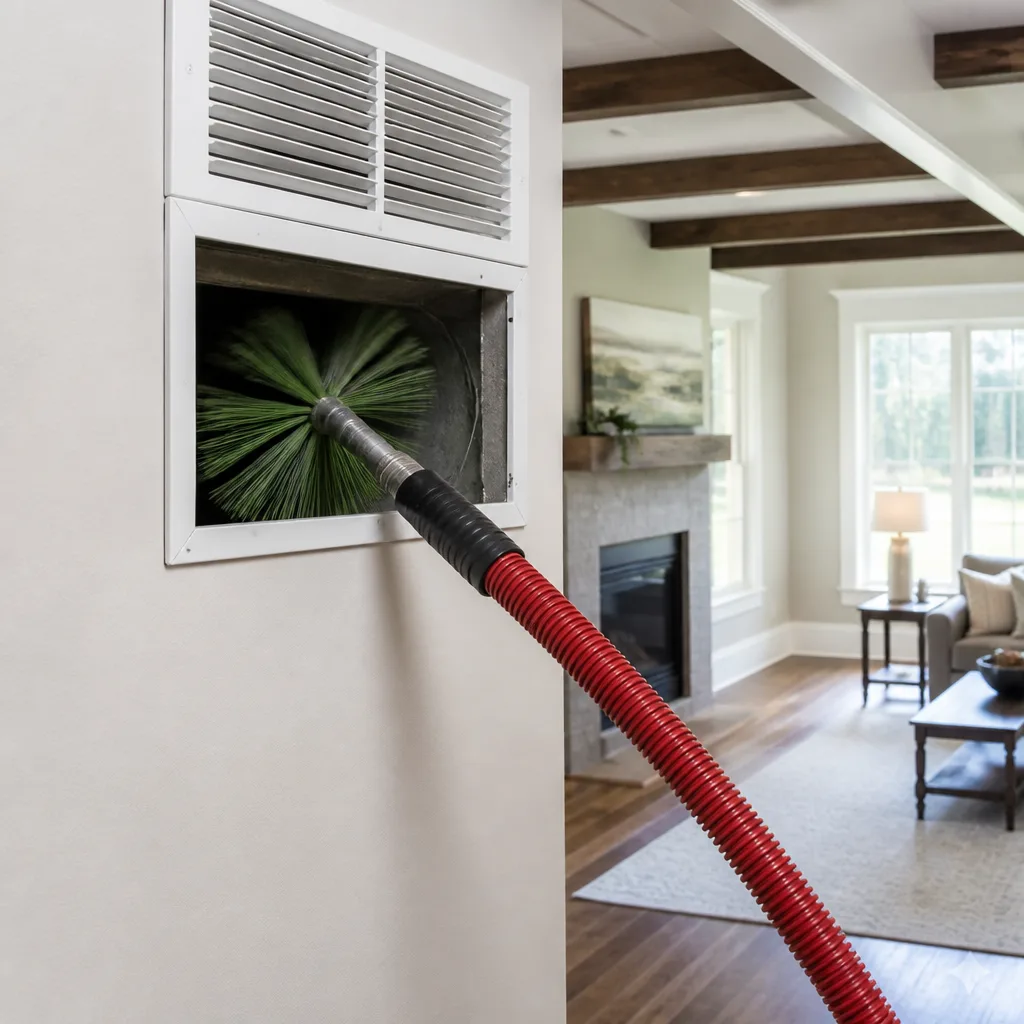
Agitation tools. Suction alone does not dislodge adhered debris. Rotary brushes, air whips, or compressed-air tools agitate the duct interior so the vacuum can capture loosened material. Rotobrush manufactures the most widely recognized rotary brush systems, with models like the BrushBeast designed for residential applications. These are powered, rotating brush assemblies on flexible shafts that traverse the duct run. Air whips, such as those from Nikro, use compressed air to create turbulence. Both methods are legitimate; the key is that agitation is paired with containment suction, not performed open-air.
What to reject. Any system that blows debris forward without simultaneous extraction - a leaf blower inserted into a register, for example - contaminates your home rather than cleaning it. Any system that cannot name a manufacturer is likely homemade or consumer-grade. Any technician who resists showing you the equipment before starting work is concealing something.
At CleanRun, our equipment roster includes Nikro and Abatement Technologies negative-pressure systems, Rotobrush rotary agitation tools, and Honeywell and Aprilaire air quality accessories where filtration upgrades are part of the scope. We name these brands so customers can verify specifications independently. A contractor who will not name equipment brands, or who names brands you cannot find in professional supply catalogs, is not operating with professional-grade tools.
Common Mistakes to Avoid
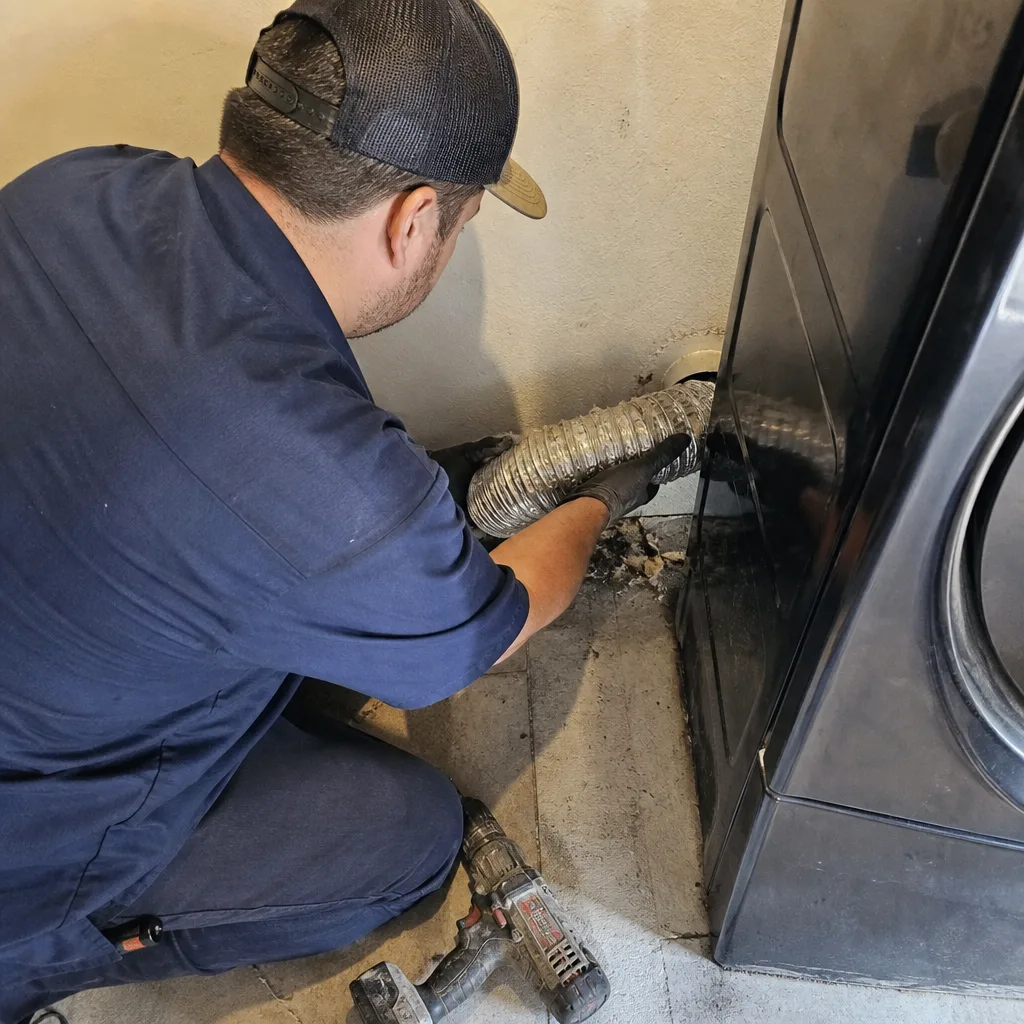
- Booking based on coupon price without verifying what it includes. The $79 coupon in Sandy Springs universally excludes the plenum, trunk lines, and often more than a fixed number of registers. The “complete system” upsell is where the profit is recovered. Always request the full written scope before scheduling.
- Accepting verbal estimates as binding. A price given over the phone without register count, plenum inspection, or duct condition assessment is not an estimate. It is a marketing figure. Legitimate contractors in Sandy Springs will schedule a brief on-site inspection or detailed phone survey before quoting.
- Equating NADCA membership with quality without verifying active status. Membership can lapse. Companies can display the logo without current standing. The public directory at nadca.com is the only authoritative source.
- Failing to request the photo record in writing before the job. If documentation is not confirmed as a standard deliverable, it will not be provided. “We’ll take some pictures” is not a commitment. “Documented Photo Record included on every visit, delivered within 24 hours” is.
- Ignoring equipment specifics. “Truck-mounted” sounds professional but means nothing without brand and model. A carpet cleaning van with a duct attachment is truck-mounted. Ask for specifics.
- Scheduling during high-pollen seasons without discussing filtration. Sandy Springs spring pollen counts regularly exceed 3,000 grains per cubic meter. Cleaning ducts in March without addressing return air filtration can mean immediate recontamination. A legitimate contractor should discuss this timing consideration.
- Paying in full before reviewing deliverables. The written scope, the photo record, and the invoice should align before final payment. Any pressure to pay before you have reviewed documentation is a red flag.
When to Call a Professional
Call a professional when you observe visible debris emitting from registers, persistent dust accumulation shortly after cleaning, uneven airflow between rooms, or musty odors when the HVAC system cycles. These symptoms indicate duct contamination or duct damage that DIY methods cannot address. In Sandy Springs, where summer humidity accelerates microbial growth, any odor accompanied by visible discoloration near registers warrants prompt inspection.
CleanRun Air Duct Cleaning Sandy Springs offers free estimates in Sandy Springs. Every estimate includes a written, itemized scope with a flat price for the complete system, delivered before any work begins. Call (678) 904-9744 to schedule.
Frequently Asked Questions
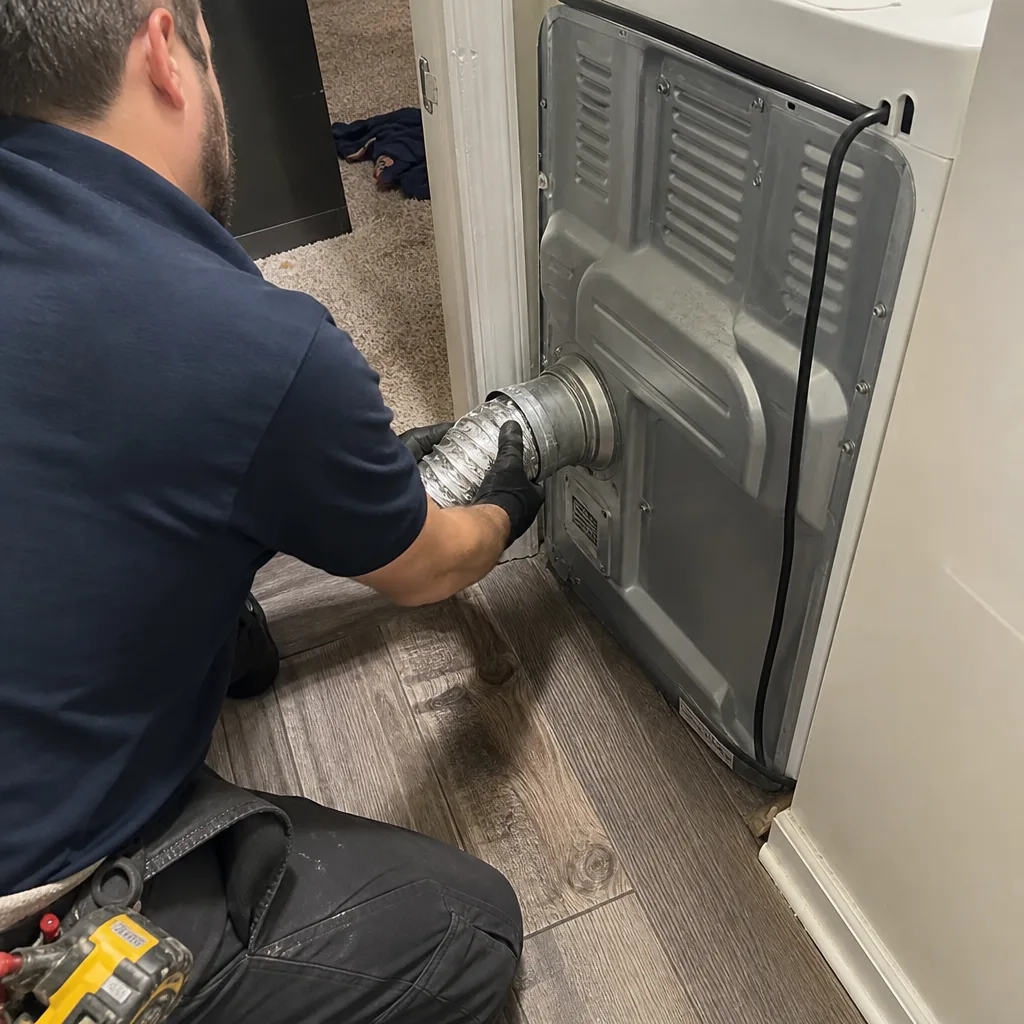
A complete residential air duct cleaning for a typical Sandy Springs home between 1,800 and 3,500 square feet generally ranges from $400 to $700, depending on system accessibility, duct condition, and whether repairs are needed. The $79 coupon price excludes the plenum and trunk lines by design, with the final invoice typically reaching $450-$780 after on-site upsells. Call (678) 904-9744 for an exact quote - estimates are free.
Low quotes use a per-vent or coupon structure that excludes the most labor-intensive components: the plenum, main trunk lines, and often more than 8-10 registers. The business model depends on escalating the price on-site through scripted upsells. A legitimate flat-price quote for the complete system accounts for all components upfront and does not change unless the homeowner requests additional work in writing.
Require a documented photo record of every duct run, including the plenum and trunk lines, delivered to you as part of the standard job record. Review the photos against the written scope before paying. At CleanRun, this has been standard practice since 2013. If a contractor cannot or will not provide this, you cannot verify that work was performed.
The NADCA recommendation is every 3-5 years for typical residential systems, with shorter intervals for homes with pets, smokers, recent renovations, or occupants with respiratory conditions. In Sandy Springs, the combination of high pollen, mature tree cover in older neighborhoods, and extended summer HVAC runtime suggests the shorter end of this range for most homes. Heavy debris visible at registers or measurable airflow reduction indicates need regardless of elapsed time.
The H.A.V.E.N. Standard is CleanRun’s operating framework: Haven Standard Clause 1 requires written upfront pricing; Clause 2 mandates the Documented Photo Record; Clause 3 requires background-checked, uniformed, named technicians; Clause 4 specifies professional-grade equipment from trade-recognized brands; and Clause 5 backs every job with the 365-Day Done Right Promise in writing. It exists to make accountability verifiable, not merely claimed.
Homeowners can vacuum register faces and change filters, but cleaning the interior of duct runs, plenum, and trunk lines requires negative-pressure extraction equipment and access tools that are not available for consumer rental. Attempting to clean ducts without containment suction risks dispersing debris throughout the home. For the duct system itself, professional service is the appropriate approach.
The Bottom Line
Hiring a legitimate air duct cleaning contractor in Sandy Springs requires reading behavior as evidence. The $79 coupon is not a price; it is a sales process designed to escalate inside your home. Protect yourself by demanding a written, itemized, binding quote before any work begins; verifying NADCA membership independently; asking four specific questions that expose operators who cannot deliver specifics; and requiring a documented photo record as a standard deliverable, not a favor. The contractors who pass these tests - who name their equipment brands, who put guarantees in writing, who have built local knowledge of Sandy Springs conditions over years of documented work - are the ones worth hiring. The rest are selling a visit, not a service.
Written by Tomas Reyes, Owner at CleanRun Air Duct Cleaning Sandy Springs, serving Sandy Springs since 2013.