
Last updated September 23, 2026
Whole-system duct and dryer vent check with before-and-after photos - you see exactly what came out of your vents
That "$99 whole-house special" is a bait ad - the real number appears once they are in your hallway, or the "clean" is a shop-vac at the register. We photograph the inside of your ducts before and after instead.
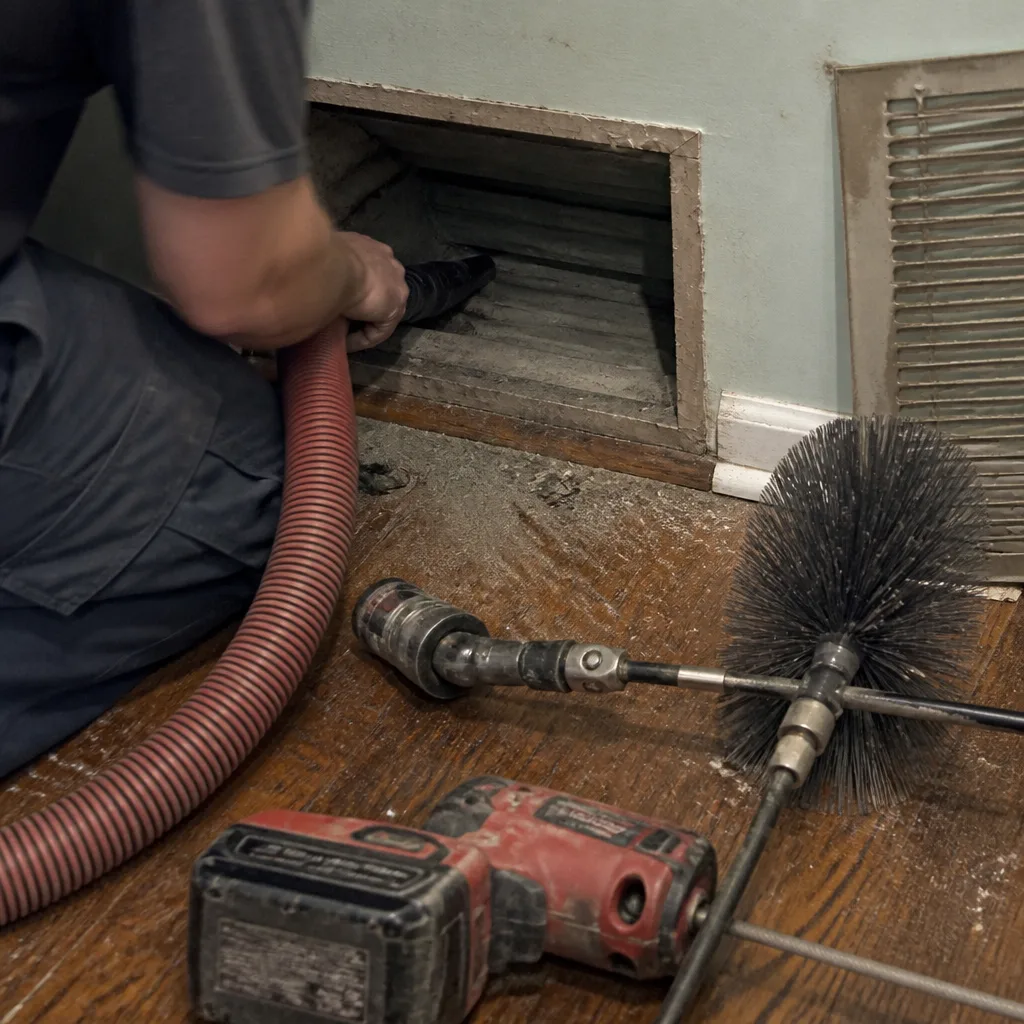 Before
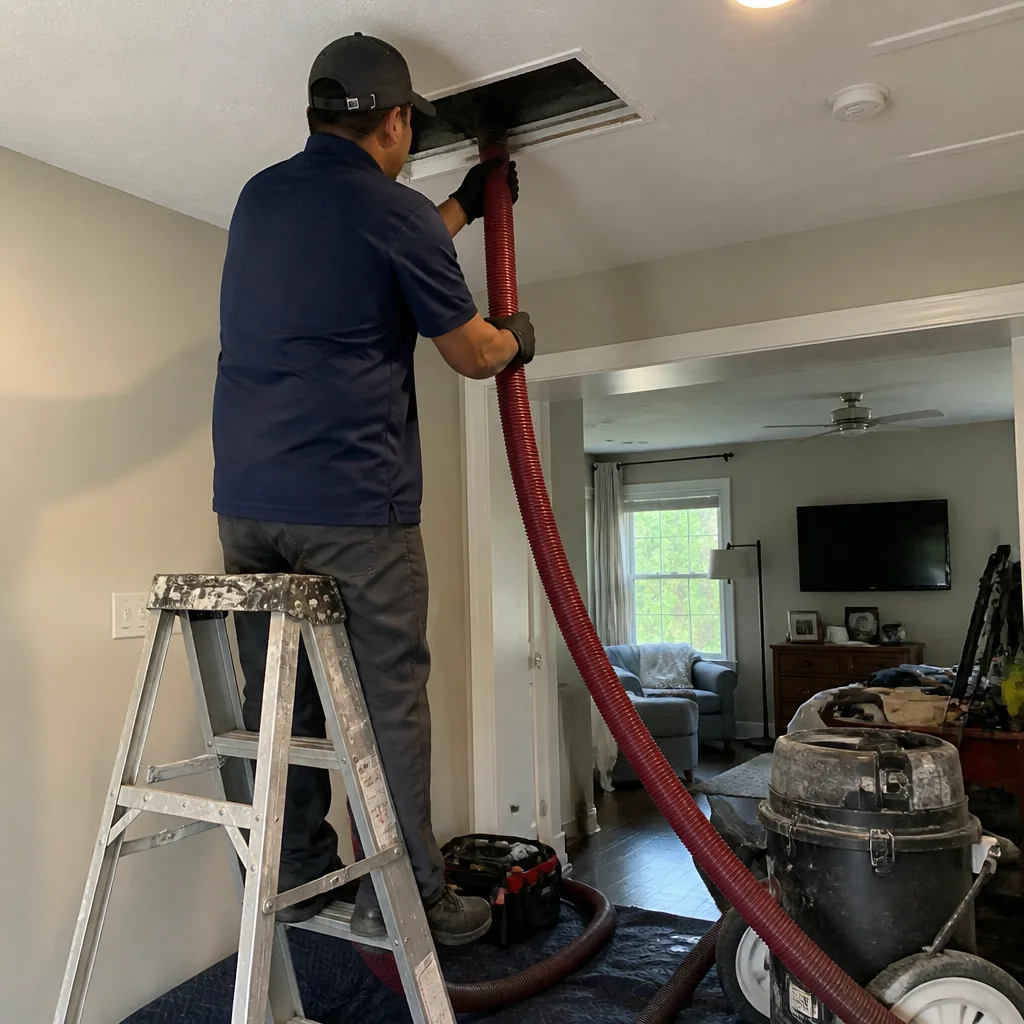 After
After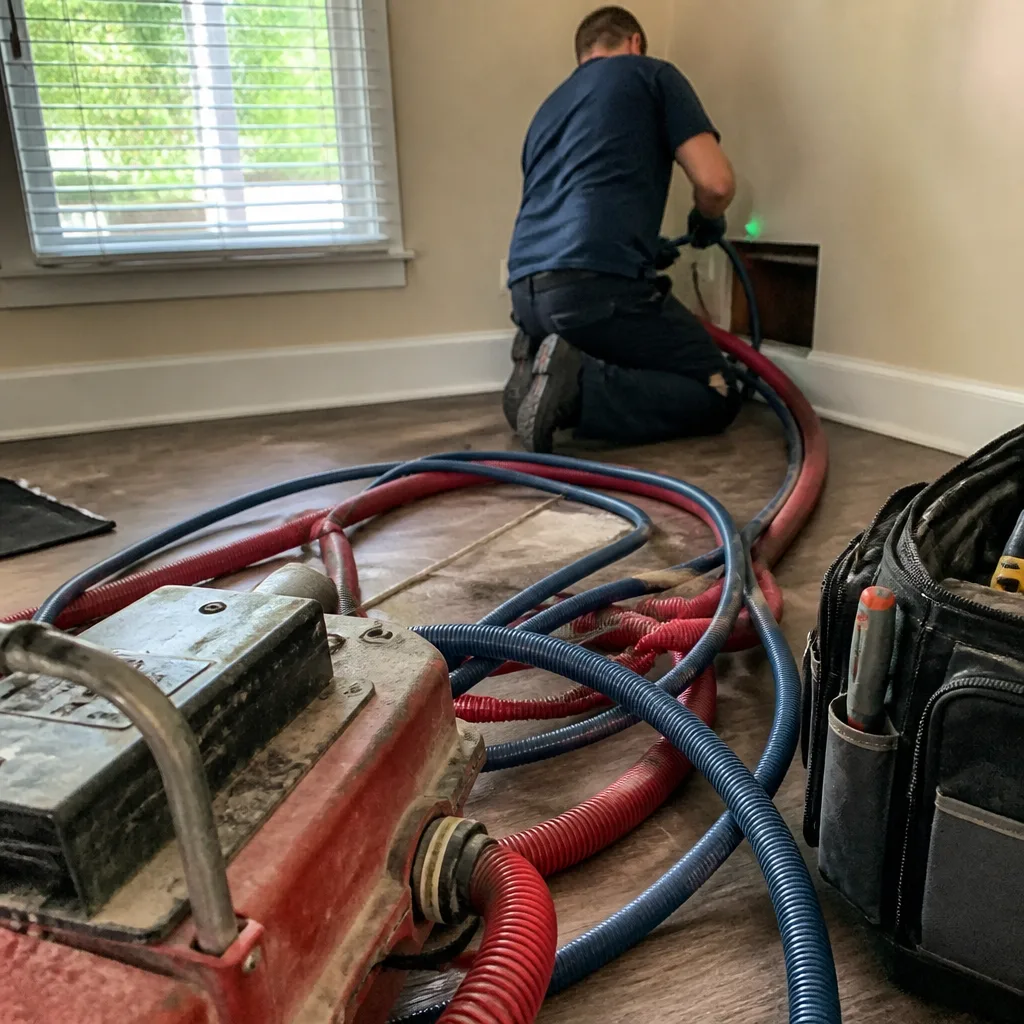 Before
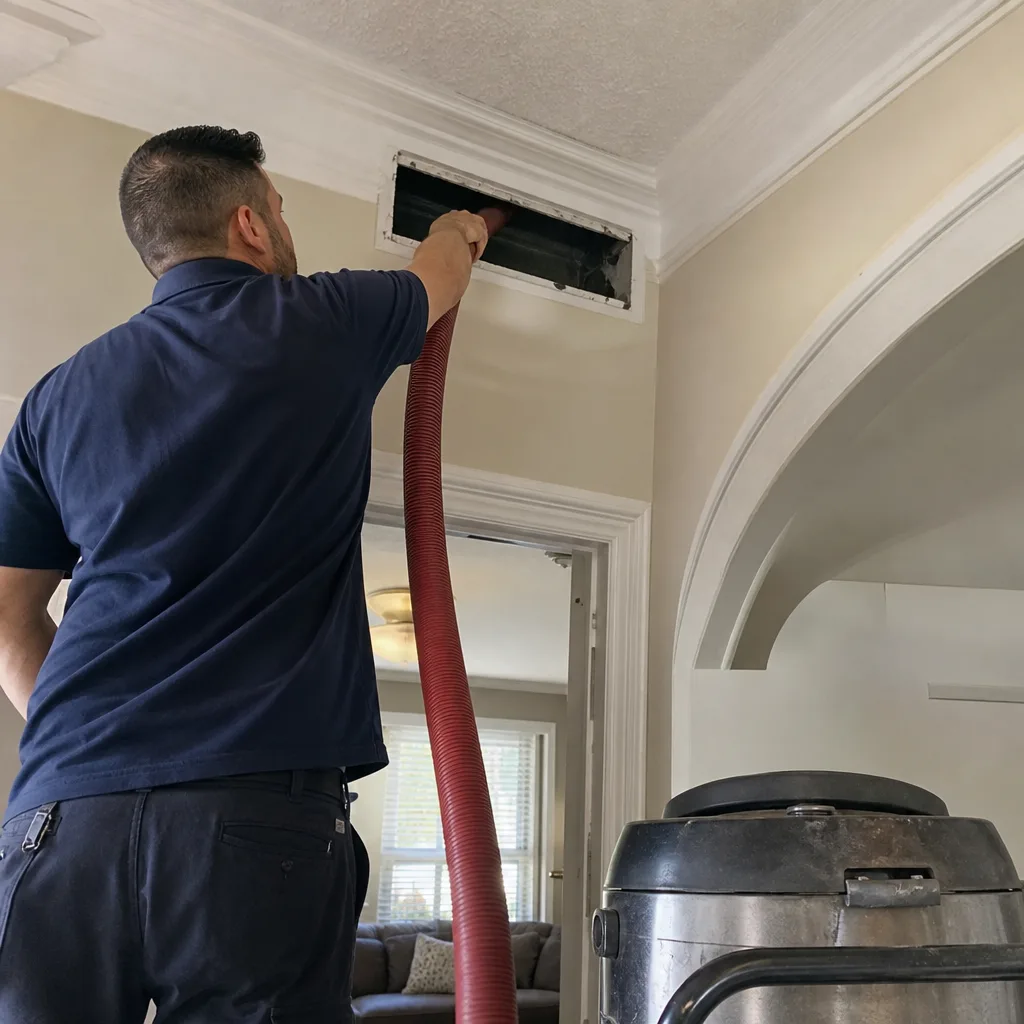 After
After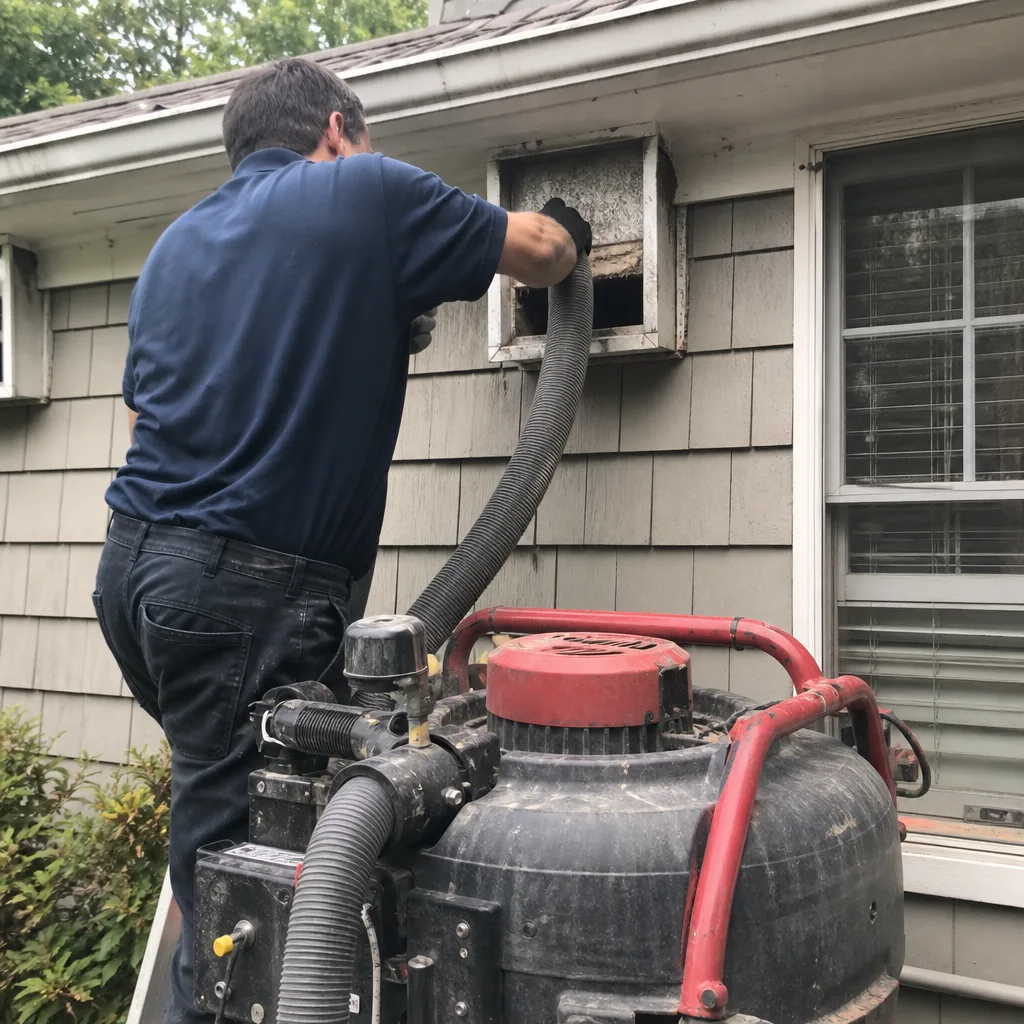 Before
 After
AfterDIY vs Professional Air Duct Cleaning: The Sandy Springs Homeowner’s Decision Guide
A $40 dryer vent brush kit and a 6-gallon shop vac will remove roughly the top layer of debris from the first 18 inches of an accessible duct run. A truck-mounted negative-pressure system operating at 150-500 CFM extracts from the full duct length, including bends. Both are real; the question is what you’re actually trying to accomplish. In Sandy Springs, where many homes built between 1985 and 2005 have original galvanized ductwork with decades of accumulated debris, we’ve seen the difference between surface cleaning and our Air Duct Cleaning services documented in hundreds of photo records. This guide shows you how to make that same scope-based comparison for your own home, without the $79 coupon theater that dominates this industry.
Quick Answer
DIY air duct cleaning can reduce loose surface debris in accessible registers and the first few feet of ductwork, but it cannot perform source removal - the extraction of built-up contaminants from the full duct length, plenum, and HVAC components - as covered in our How to Hire a Air Duct Cleaning Contractor in Sandy Springs: A Step-by-Step Guide. For Sandy Springs homeowners, DIY is a reasonable interim step after construction dust or for isolated register maintenance, but professional negative-pressure cleaning is required for microbial growth, vermin contamination, system-wide debris, or disconnected duct sections. The gap between the two is photographically verifiable.
Table of Contents
- What DIY Air Duct Cleaning Actually Accomplishes
- Source Removal vs Surface Cleaning: The Physics Inside Your Ducts
- DIY Equipment Costs, Rental Options, and Realistic Results
- When DIY Makes Sense in Sandy Springs
- When DIY Is Inadequate Regardless of Effort
- Using DIY Inspection to Scope a Professional Job
- What Professional Cleaning Actually Delivers
- Cost Comparison: Real Numbers for Sandy Springs
BeforeAfterWhat DIY Air Duct Cleaning Actually Accomplishes
Let’s start with what a homeowner can actually do with consumer-grade equipment.
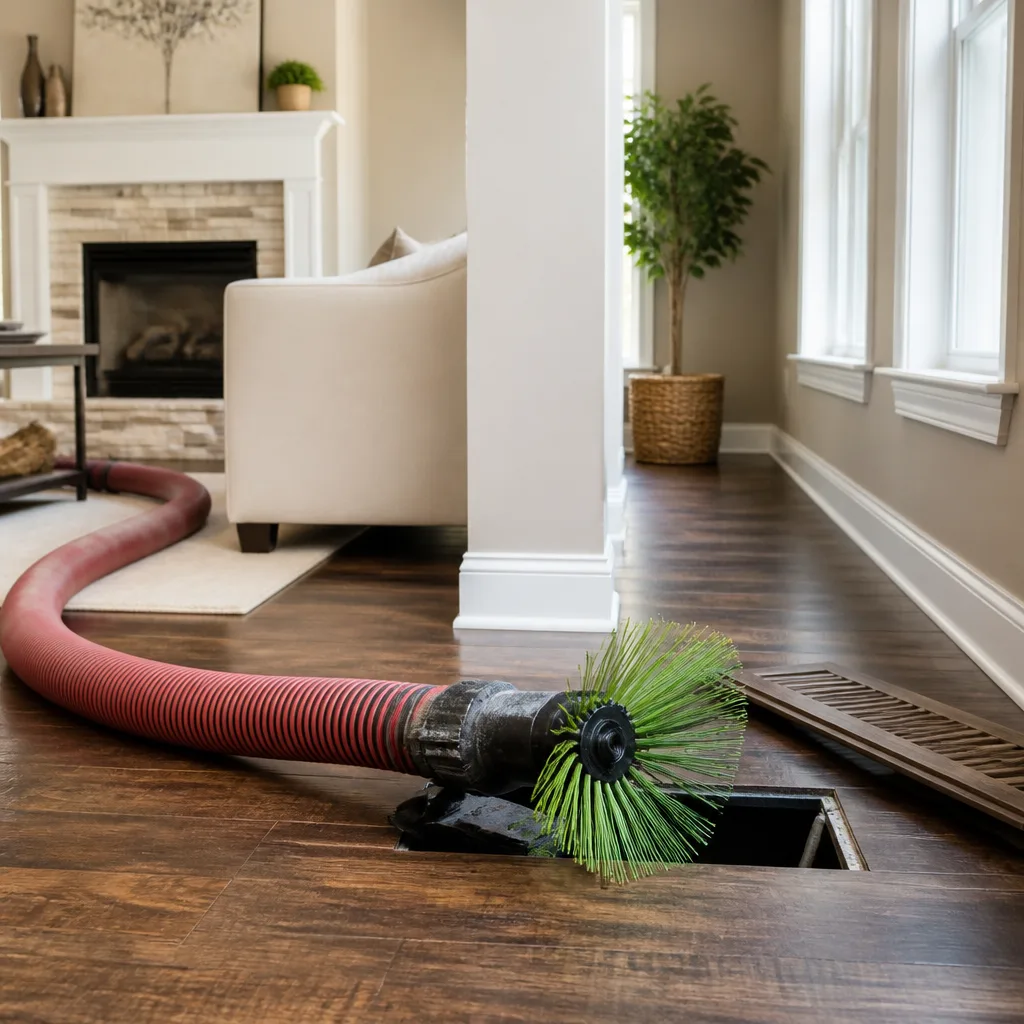
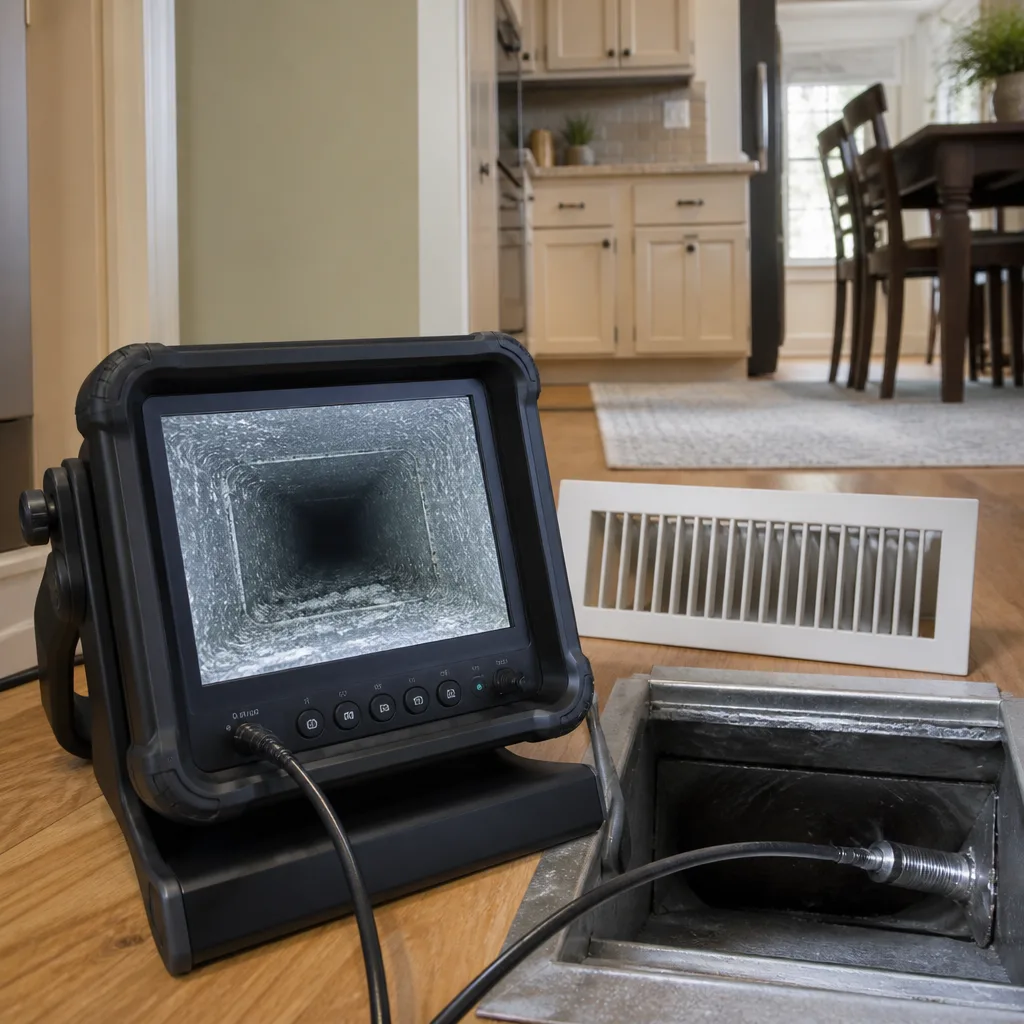
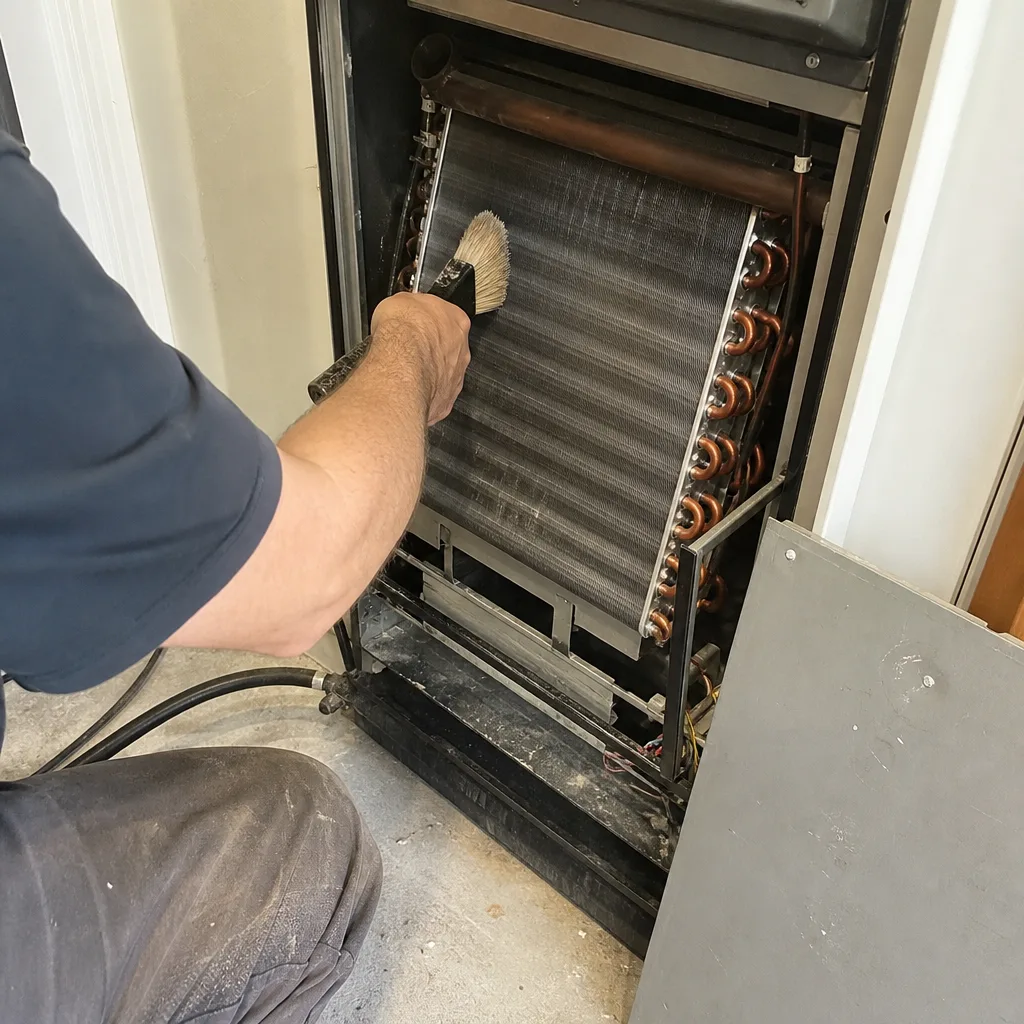
A standard DIY approach involves removing floor or ceiling registers, inserting a brush attachment on a flexible rod (typically 12 to 24 feet), and running a shop vac at the register opening. Some kits include a small camera for visual inspection. The brush loosens debris; the vacuum captures what it can at the point of entry.
What this removes: loose dust, hair, and surface debris in the first 3 to 6 feet of ductwork from the register opening. In straight, short runs with minimal buildup, this can produce visible material in the vacuum canister and modestly improved airflow at that register.
What this does not remove: compacted debris at duct elbows (the 90-degree turns common in Sandy Springs ranch and split-level homes), material adhered to duct walls beyond arm’s reach, contamination in the plenum (the central distribution box connected to your air handler), or anything in the return-air pathway that feeds back to the HVAC unit itself.
We’ve photographed the aftermath of DIY attempts in Sandy Springs homes, particularly in neighborhoods like Dunwoody Panhandle and Riverside, where homeowners with good intentions and proper tools still left 80 to 90 percent of system debris in place. The camera doesn’t flatter effort; it shows what moved and what didn’t.
The honest assessment: DIY duct cleaning is surface wiping, not system cleaning. It has value in specific, limited contexts. It is not a substitute for source removal when the goal is whole-system cleanliness.
Source Removal vs Surface Cleaning: The Physics Inside Your Ducts
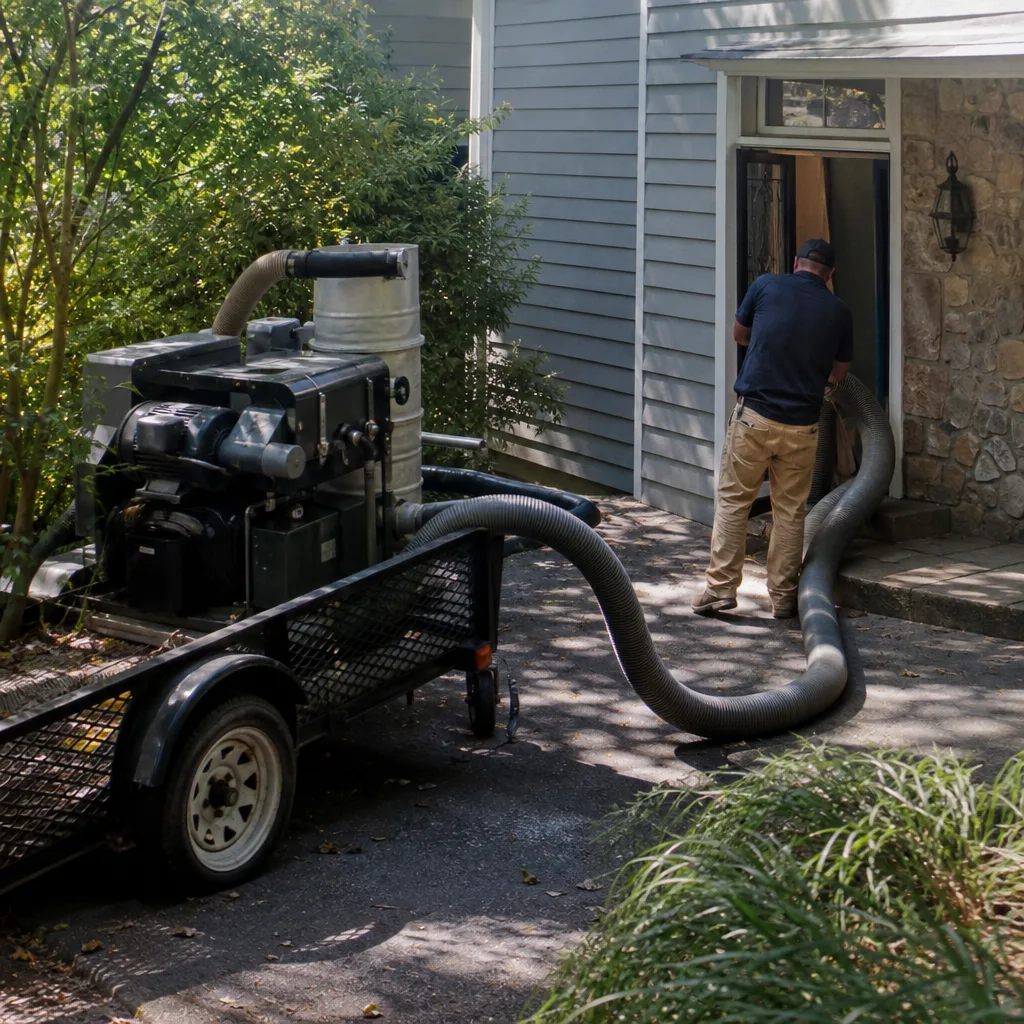
To understand why DIY and professional cleaning produce different outcomes, you need to understand what negative-pressure extraction actually does.
Source removal is the industry term for dislodging contaminants at their point of accumulation and immediately removing them from the building. The key mechanism is negative pressure - a vacuum source powerful enough to create airflow that exceeds the duct system’s normal operating pressure, pulling loosened debris into a contained collection system rather than redistributing it into your living space.
Here’s how professional equipment achieves this:
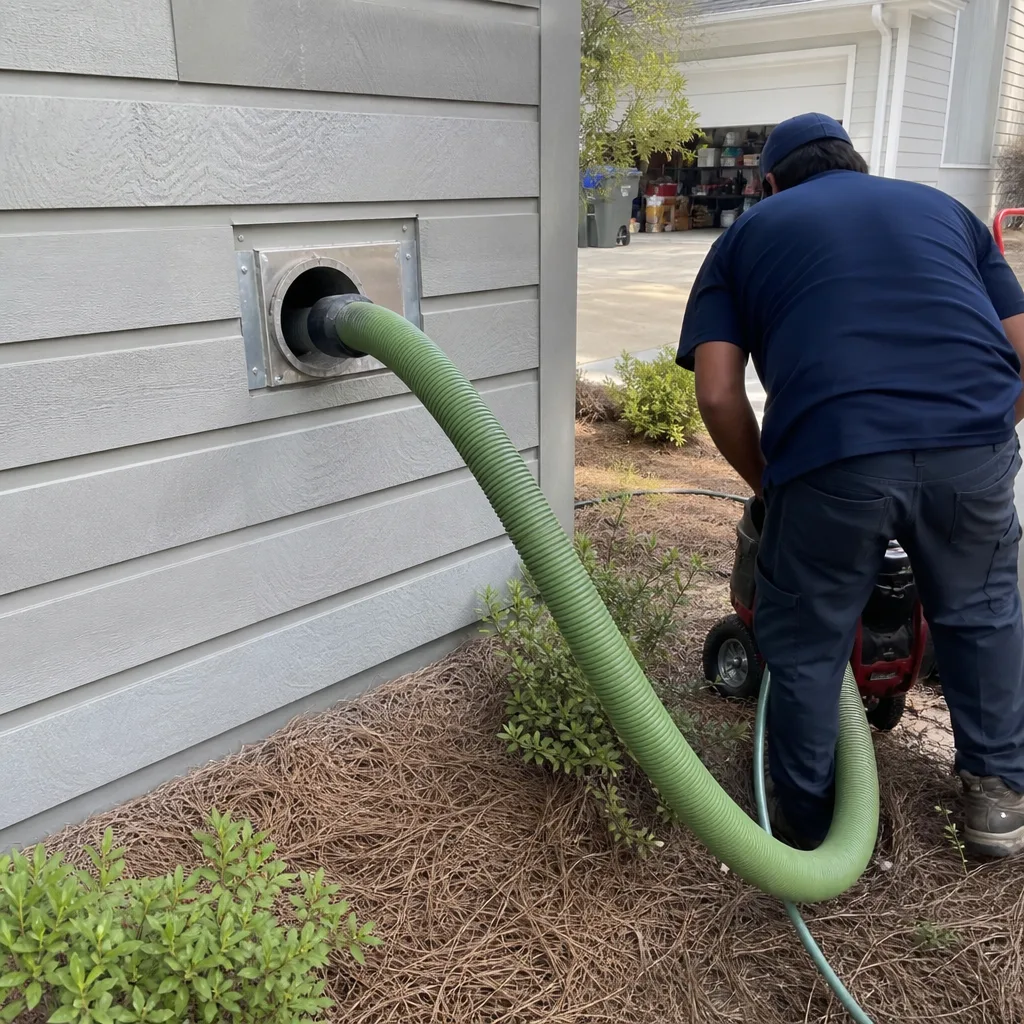
- Truck-mounted or portable negative-pressure units generate 150 to 500 CFM (cubic feet per minute) of suction through a sealed connection to the ductwork. This is not a shop vac; it’s a dedicated system, often from manufacturers like Nikro or Abatement Technologies, designed specifically for HVAC contamination control.
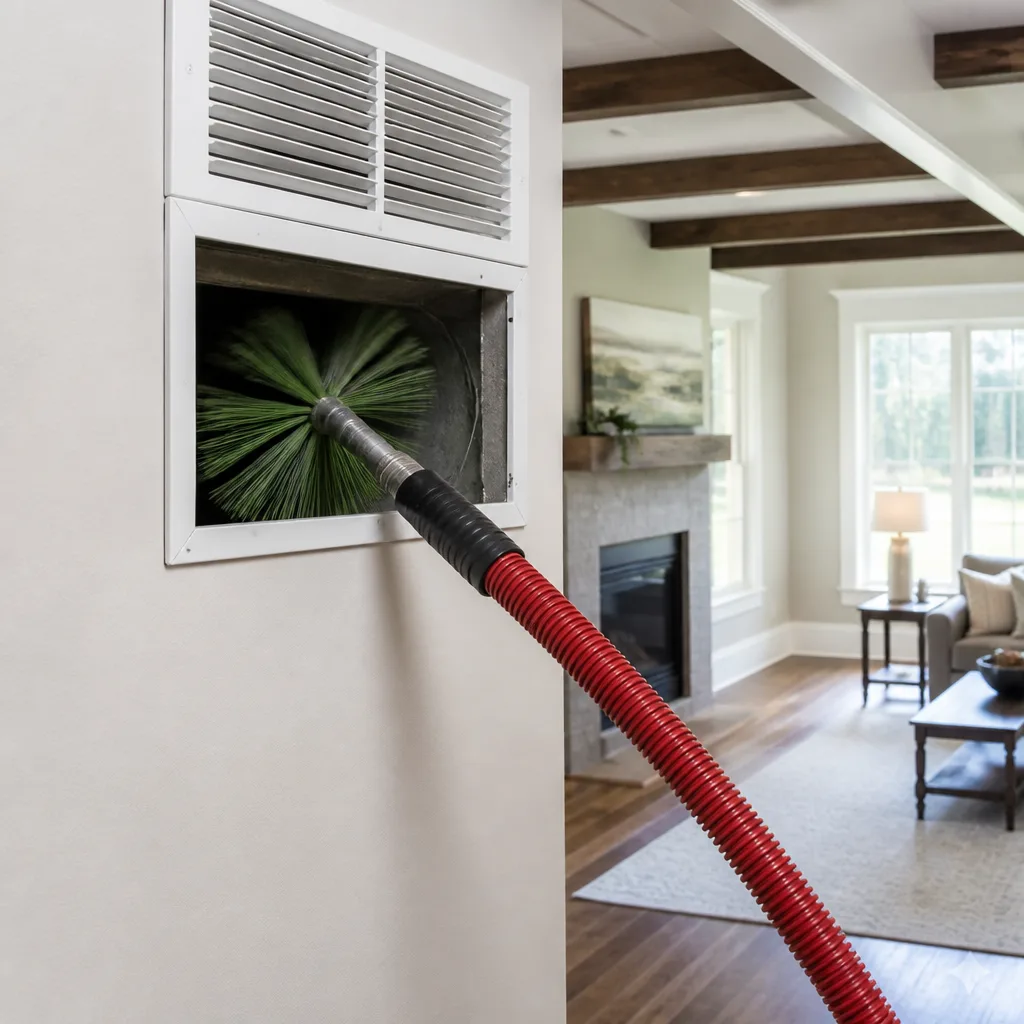
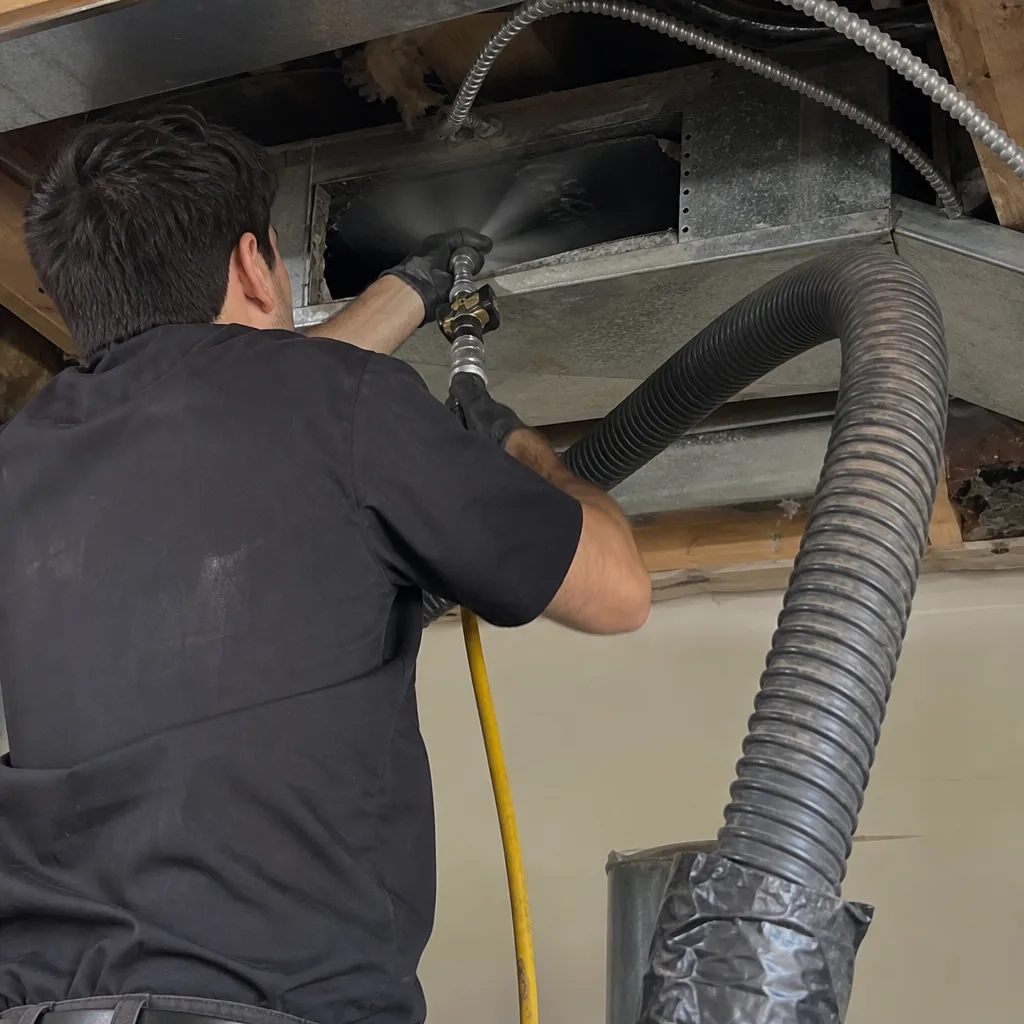
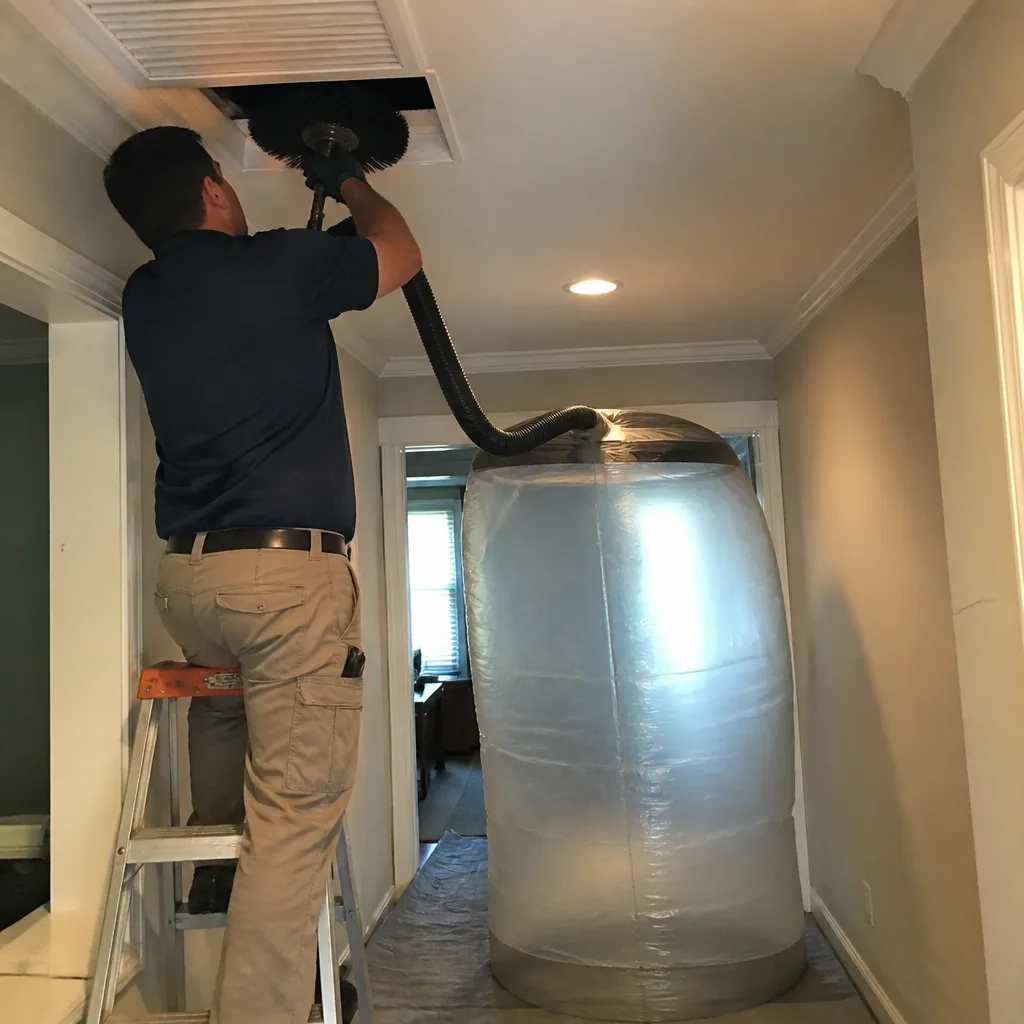
- Agitation tools - rotary brushes, air whips, or compressed-air skip lines - dislodge debris from duct walls without damaging the duct material. The Rotobrush system, one tool in our equipment roster, uses a rotating brush head with simultaneous vacuum extraction at the point of contact.
- Contained collection means debris travels through sealed hoses into a filtration system (typically HEPA-rated) that prevents reintroduction into the home or the technician’s breathing zone.
- Zone isolation allows technicians to clean one duct run at a time while maintaining negative pressure throughout, preventing cross-contamination between supply and return sides.
Consumer equipment cannot replicate this physics. A 6-gallon shop vac generates approximately 50 to 80 CFM at the hose end. It lacks the sealed connection to the duct system, so the vacuum pulls predominantly from the room air around the register opening rather than from deep in the duct run. Without agitation tools that reach and scrub the full duct length, debris that has adhered to duct walls over years of humidity cycling remains in place.
In Sandy Springs, where summer humidity regularly exceeds 80 percent, that adhered debris often includes microbial growth that has colonized the duct surface, a topic we explore in our Seasonal Air Duct Cleaning Care for Sandy Springs: Year-Round Homeowner’s Guide. Surface wiping doesn’t address it. Negative-pressure extraction with appropriate agitation does, because the contamination is physically removed from the system rather than smeared or partially disturbed.
The distinction matters for your decision: if your goal is removing what you can see at the register, DIY works. If your goal is removing what has accumulated throughout the system, only source removal equipment accomplishes that.
DIY Equipment Costs, Rental Options, and Realistic Results
Let’s put actual numbers on what DIY costs and what it yields.
Purchase options:
- Basic brush kit with 12-foot flexible rods: $25-$45
- Mid-range kit with 24-foot rods and small inspection camera: $60-$120
- 6-gallon shop vac (if you don’t own one): $80-$150
- HEPA filter upgrade for shop vac: $20-$35
- Total purchase investment: $125-$305
Rental options (Home Depot, United Rentals locations near Sandy Springs):
- Commercial wet/dry vac with higher CFM: $35-$55/day
- No major rental chains currently offer duct-specific agitation equipment to consumers; this is trade-restricted inventory
Realistic time investment for a 2,000-square-foot Sandy Springs home:
- Removing and cleaning all registers: 1-2 hours
- Brush and vacuum work at each accessible opening: 2-4 hours
- Reassembly and cleanup: 30-60 minutes
- Total: 4-7 hours for partial, surface-level cleaning
What you will accomplish:
In our experience, a diligent homeowner with proper tools can expect to remove 10 to 20 percent of total system debris, concentrated in the first few feet of supply registers. The return-air trunk line, which in many Sandy Springs homes runs through an unfinished basement or encapsulated crawl space, remains untouched. The plenum, where multiple ducts converge and where debris often concentrates, is inaccessible without tools and training. The evaporator coil and blower assembly, critical components for both air quality and system efficiency, are not addressed by any consumer kit.
The debris you do remove will be visible and satisfying. The debris you don’t remove will still be circulating when your system runs. We’ve shown homeowners the before-and-after photo record from their own ducts after DIY attempts; the contrast between what they thought they accomplished and what remained is why we publish license numbers and offer free second opinions.
When DIY Makes Sense in Sandy Springs
There are specific scenarios where DIY duct cleaning is a reasonable, even smart, interim measure. We’ve recommended it to callers when the scope didn’t yet justify a professional visit.
Recent construction or renovation dust:
If your Sandy Springs home has had drywall work, flooring installation, or painting in the last 30 to 60 days, fine particulate will have entered the duct system. This material is typically loose, dry, and concentrated near registers. A thorough DIY cleaning with register removal, vacuuming, and filter replacement can remove the bulk of this recent deposit before it compacts into adhered debris. Follow with a high-MERV filter (MERV 11 or 13) for 90 days to capture residual particulate.
Isolated register contamination:
A single register with visible debris, often in a guest room or home office with minimal use, can often be addressed DIY. Remove the register, vacuum the boot (the sheet-metal fitting between register and duct), brush the accessible duct length, and replace. This is maintenance, not system cleaning, and it’s appropriate when the issue is localized.
Pre-inspection preparation:
If you’re preparing to sell or lease your Sandy Springs home and want to present clean registers for inspection, DIY surface cleaning is sufficient. It’s also useful before calling a professional, as we’ll explain in the inspection section below.
Filter-change interval extension:
Cleaning registers and the first foot of ductwork can reduce the debris load on your HVAC filter, potentially extending its effective life by 15 to 30 percent in low-dust environments. This is marginal but real.
The common thread: DIY makes sense when the contamination is recent, loose, localized, or purely cosmetic. It does not make sense when the issue is systemic, adhered, or biological.
When DIY Is Inadequate Regardless of Effort
There are conditions where consumer equipment is not merely less effective but fundamentally incapable of addressing the problem. Attempting DIY in these scenarios wastes time and can worsen the situation.
Microbial growth:
In Sandy Springs’ humid subtropical climate, fiberglass duct liners and sheet-metal ducts with poor insulation can support mold and mildew growth. DIY brushing without containment spreads spores through the system and into living spaces. Professional remediation requires negative-pressure containment, HEPA filtration, and often antimicrobial treatment - not for cosmetic purposes, but to prevent re-colonization. We document microbial conditions photographically and provide the image record to homeowners for their own verification.
Vermin contamination:
Rodent or insect activity in ductwork leaves droppings, nesting material, and sometimes carcasses. This is a health hazard requiring professional remediation under containment. DIY vacuuming aerosolizes particles and can drive contamination deeper into the system. The CleanRun Air Duct Cleaning Sandy Springs home page details our protocol for vermin-affected systems.
Disconnected or damaged duct sections:
In Sandy Springs homes with crawl space or attic duct runs, we’ve found disconnected sections that homeowners didn’t know existed. No amount of register-level cleaning addresses a duct dumping conditioned air into an attic. This requires physical repair and resealing, which is outside DIY scope.
Full-system debris load:
When a home hasn’t had duct cleaning in 10+ years, debris compacts into a layer that adheres to duct walls. In galvanized steel ducts common to Sandy Springs’ 1980s and 1990s construction, this layer can be 1/4-inch thick or more. Consumer brushes skim the surface; professional agitation tools with simultaneous extraction break the bond and remove the material.
Evaporator coil and blower contamination:
The coil and blower are part of your air pathway but not part of your ductwork. They require specialized access, cleaning solutions, and often fin-comb straightening. Dirty coils reduce efficiency and can harbor the same microbial growth found in ducts. No consumer kit addresses this.
Post-fire or smoke damage:
Even minor kitchen fires can deposit oily particulate throughout the duct system. This requires solvent-based cleaning and often duct replacement in affected runs. DIY attempts smear the contamination and can create fire hazards if petroleum-based residues remain.
Using DIY Inspection to Scope a Professional Job
One of the most valuable things a homeowner can do is use DIY inspection to become an informed buyer of professional services, as explained in more guides & resources we publish. This prevents the bait-and-switch pricing that plagues our industry.
Step 1: Photograph every register and the accessible duct beyond it.
Use your phone with the flash on. Remove each register and take photos looking into the duct. Note which registers show debris, which show clean metal, and which show anything unusual (moisture, discoloration, rodent droppings, disconnected sections). Date the photos.
Step 2: Document your HVAC system’s configuration.
Count supply registers and return grilles. Note whether you have one central return or multiple. Identify the location of your air handler (attic, basement, closet, crawl space). This information lets any professional provide a more accurate scope without an initial site visit.
Step 3: Check your filter slot and evaporator coil access.
Can you see the coil through the filter opening with a flashlight? Is there visible debris on the upstream side? Photo this. It indicates whether coil cleaning should be part of the professional scope.
Step 4: Request specific deliverables when you call for estimates.
With your photo documentation in hand, you can ask concrete questions: “Will you photograph every duct run before and after?” “Is coil cleaning included in the written price or additional?” “What CFM does your negative-pressure unit generate?” “Do you isolate and clean each run individually, or zone the system?”
At CleanRun, we welcome this level of homeowner preparation. It aligns with Haven Standard Clause 1: Written Price Before Any Work Starts. When a homeowner arrives with photos and specific questions, we can provide a precise scope and fixed price without the “we’ll see when we get there” ambiguity that precedes most invoice surprises.
The DIY inspection doesn’t replace professional cleaning. It makes you a harder target for the $79 coupon that becomes a $600 invoice once the technician is in your basement.
What Professional Cleaning Actually Delivers
To compare DIY and professional cleaning fairly, you need to understand what a proper professional job includes. Not all services marketed as “duct cleaning” deliver this; the following describes what source-removal cleaning should be.
System assessment and documentation:
Before equipment is moved, a technician should inspect the full system, identify access points, note any damage or disconnected sections, and photograph the interior of representative duct runs. This becomes the “before” record.
Negative-pressure setup:
The collection unit is connected to the duct system at a central point, typically near the air handler. All registers are sealed. The system is placed under negative pressure before any agitation begins. This prevents debris migration during cleaning.
Agitation and extraction by zone:
Each duct run is individually accessed, agitated with rotating brushes or compressed-air tools, and extracted under continuous negative pressure. The process is repeated for supply and return sides. In a typical Sandy Springs home, this involves 8 to 15 individual duct runs.
Component cleaning:
The plenum, evaporator coil, blower assembly, and filter slot are cleaned according to manufacturer specifications. This is where equipment like the Rotobrush system or Nikro portable units prove their value - they’re designed for these confined, sensitive spaces.
Post-cleaning verification:
The “after” photo record is captured from the same access points as the “before” record. In our work, this is delivered to the homeowner as part of the standard job record, not as an upsell. The 365-Day Done Right Promise applies to this documented result.
Written scope and price:
At CleanRun, the price is agreed in writing before any panel is removed. The scope specifies what will be cleaned, what equipment will be used, and what deliverables the homeowner receives. This is not a policy; it’s Haven Standard Clause 1, applied to every job since 2013.
The difference from DIY is not effort or intention. It’s equipment capability, containment protocol, and documented accountability. A homeowner with a shop vac and a weekend cannot replicate 150-500 CFM negative pressure, zone isolation, or HEPA-contained collection. The question is whether your situation requires that capability.
Cost Comparison: Real Numbers for Sandy Springs
Price transparency is central to how we operate, so here’s what both paths actually cost in this market.
DIY path (purchase):
- Brush kit with camera: $60-$120
- Shop vac (if needed): $80-$150
- Filters and supplies: $30-$50
- Your time: 4-7 hours
- Total: $170-$320 + labor
DIY path (rental):
- Commercial vac rental: $35-$55/day
- Brush kit (purchase): $40-$80
- Your time: 4-7 hours
- Total: $75-$135 + labor
Professional source-removal cleaning in Sandy Springs:
Based on our written estimates and competitor quotes we’ve reviewed through our Free Second Opinion service, whole-system duct cleaning in Sandy Springs typically ranges as follows:
| Home size / system complexity | Price range | What’s included |
|---|---|---|
| Small home (1,200-1,800 sq ft), single system, 8-10 duct runs | $450-$650 | Full supply and return cleaning, plenum, register cleaning, photo record |
| Mid-size home (1,800-2,800 sq ft), single system, 10-14 duct runs | $650-$950 | As above, plus coil and blower inspection; coil cleaning if needed (+$150-$250) |
| Large home (2,800-4,000+ sq ft), dual systems, 14-22 duct runs | $950-$1,400 | Full dual-system cleaning, all components, photo record, 365-Day Done Right Promise |
These are whole-system prices, not per-vent teaser rates. The $79-$129 “whole house” coupons you see in Sandy Springs mailers universally convert to higher invoices on arrival, typically through per-vent upselling, “mandatory” sanitizing charges, or equipment-access fees. We don’t participate in this practice; our written price is the price.
The cost gap between DIY and professional is real: $170-$320 versus $450-$950 for most homes. The value calculation depends on what you’re trying to accomplish. Surface debris near registers? DIY is cost-effective. System-wide contamination, microbial growth, or pre-sale documentation? Professional cleaning is the only path that delivers.
For Air Duct Cleaning in Sandy Springs, we provide written estimates at no cost. Bring a competitor’s quote and we’ll put our number next to it under our Free Second Opinion policy.
Common Mistakes to Avoid
- Brushing without vacuum extraction. Agitating debris without simultaneous collection redistributes it into your living space. We see this in Sandy Springs homes where homeowners used brush kits without sealed vacuum connection; the registers looked cleaner, but airborne particulate spiked for days afterward.
- Using compressed air without containment. Blowing debris backward through the duct system with a leaf blower or compressed air hose drives contamination into the plenum and air handler, potentially damaging the blower motor and coating the evaporator coil.
- Ignoring the return side. Return-air ducts are typically larger, dirtier, and harder to access than supply ducts. DIY efforts often focus entirely on supply registers because they’re visible, while the return trunk accumulates debris unchecked.
- Cleaning ducts but not changing the filter. A fresh load of debris in a clean duct system immediately loads a dirty filter, reducing airflow and potentially bypassing unfiltered air around the filter frame. Always pair duct cleaning with a new filter, MERV 8 minimum.
- Attempting coil cleaning with household chemicals. Evaporator coils are aluminum fins bonded to copper tubing. The wrong cleaner corrodes the bond; excessive pressure bends the fins. In Sandy Springs’ hard-water areas, mineral residue from improper rinsing accelerates corrosion. Leave coil cleaning to technicians with pH-neutral foaming agents and proper rinse protocol.
- Accepting a “sanitizing” upsell without evidence of microbial growth. EPA-registered antimicrobial treatments are appropriate for documented mold or bacterial contamination. Applied to clean, dry metal ducts, they’re unnecessary expense and can leave residues that attract future debris. Demand photographic evidence before agreeing to sanitizing.
When to Call a Professional
Call a professional when the contamination exceeds what surface wiping can address, when health concerns are present (allergies, asthma, immunocompromised residents), or when you need documented results for a real estate transaction or warranty claim. Specifically: visible mold or mildew, rodent or insect activity, disconnected ducts, system-wide debris in a home that hasn’t been cleaned in 10+ years, or any situation where you need before-and-after photographic proof of work performed.
CleanRun Air Duct Cleaning Sandy Springs offers free estimates in Sandy Springs - call (678) 904-9744. Every estimate includes a written scope and price before any work is discussed, and our Free Second Opinion service lets you compare any competitor’s written quote against ours with no obligation.
Frequently Asked Questions
Whole-system duct cleaning in Sandy Springs typically costs $450-$650 for smaller homes with single systems, $650-$950 for mid-size homes, and $950-$1,400 for larger homes with dual systems. These are flat prices per system, not per-vent rates that escalate on arrival. Call (678) 904-9744 for a written estimate specific to your home - estimates are free and include no obligation.
The $79-$129 “whole house” offers are structured to convert to higher invoices through per-vent pricing, mandatory equipment fees, or upsold sanitizing treatments once the technician is in your home. A legitimate source-removal job requires 3-5 hours of technician time, professional negative-pressure equipment, and proper containment - costs that cannot be delivered at coupon prices without hidden charges. At CleanRun, we publish our price ranges and deliver a written, fixed price before work starts under Haven Standard Clause 1.
Demand a documented photo record from inside the ductwork, captured before and after cleaning from the same access points. Every CleanRun job includes this as a standard deliverable, not an upsell. If a company cannot or will not provide dated, location-specific photos of your own ducts, you have no verification that source removal occurred.
For most Sandy Springs homes, every 5 to 7 years is adequate under normal conditions. Homes with pets, recent construction, or residents with respiratory conditions may benefit from 3 to 5 year intervals. Sandy Springs’ high pollen counts and humidity can accelerate debris accumulation compared to drier climates, so inspection every 2 to 3 years is prudent even if cleaning isn’t yet needed.
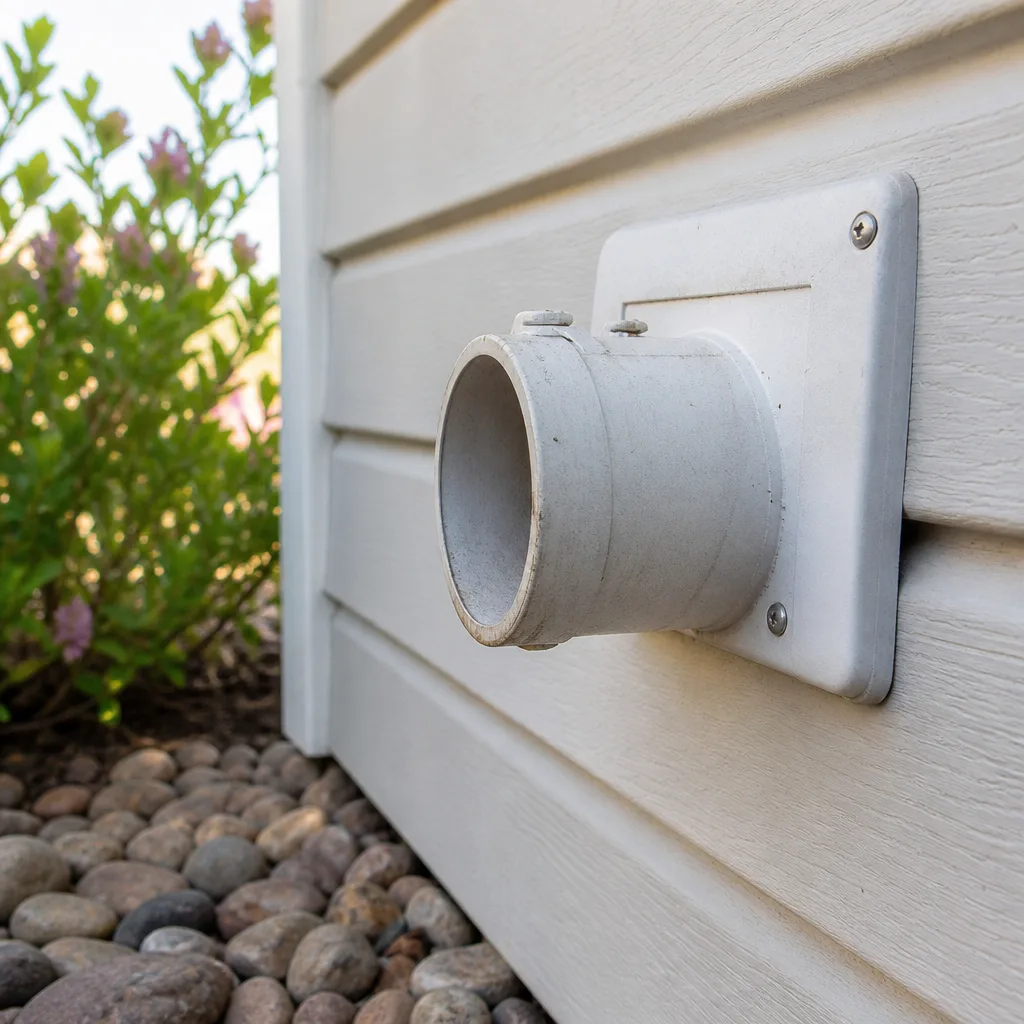
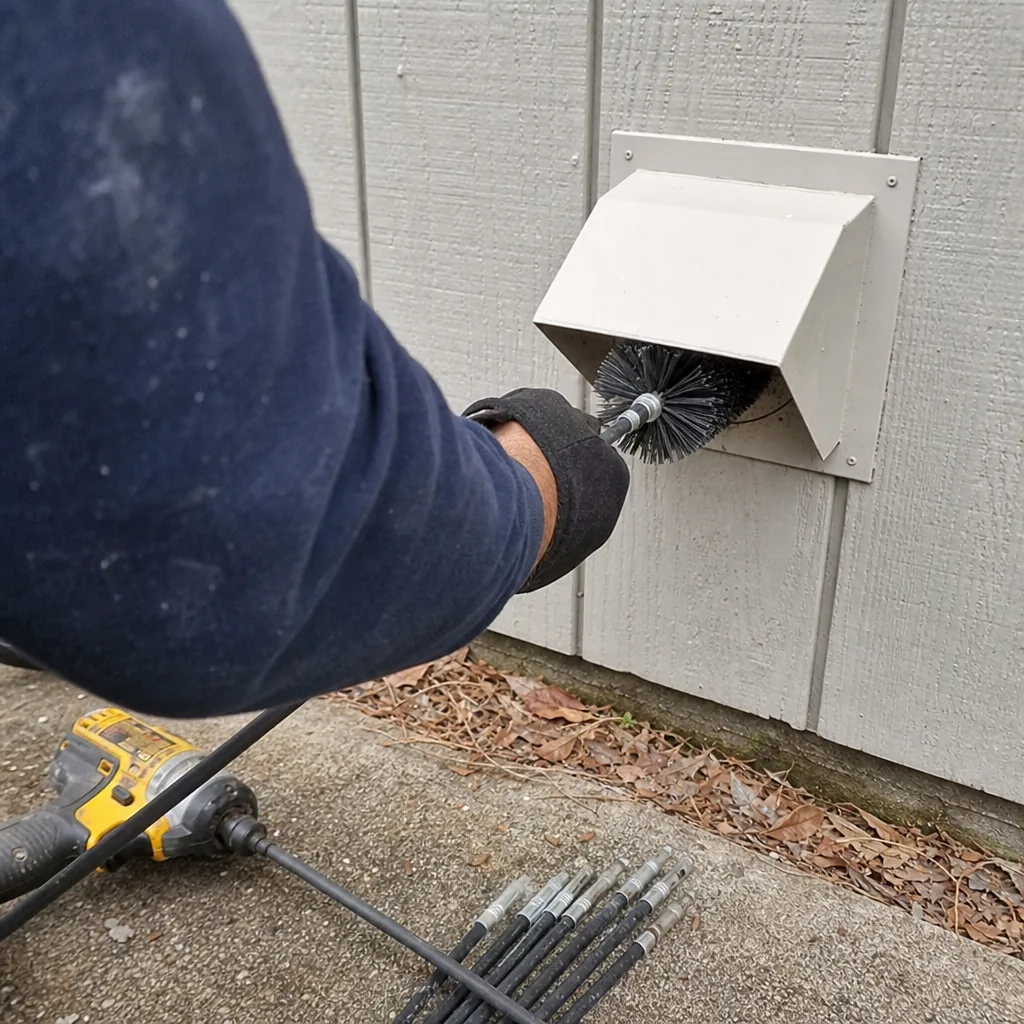
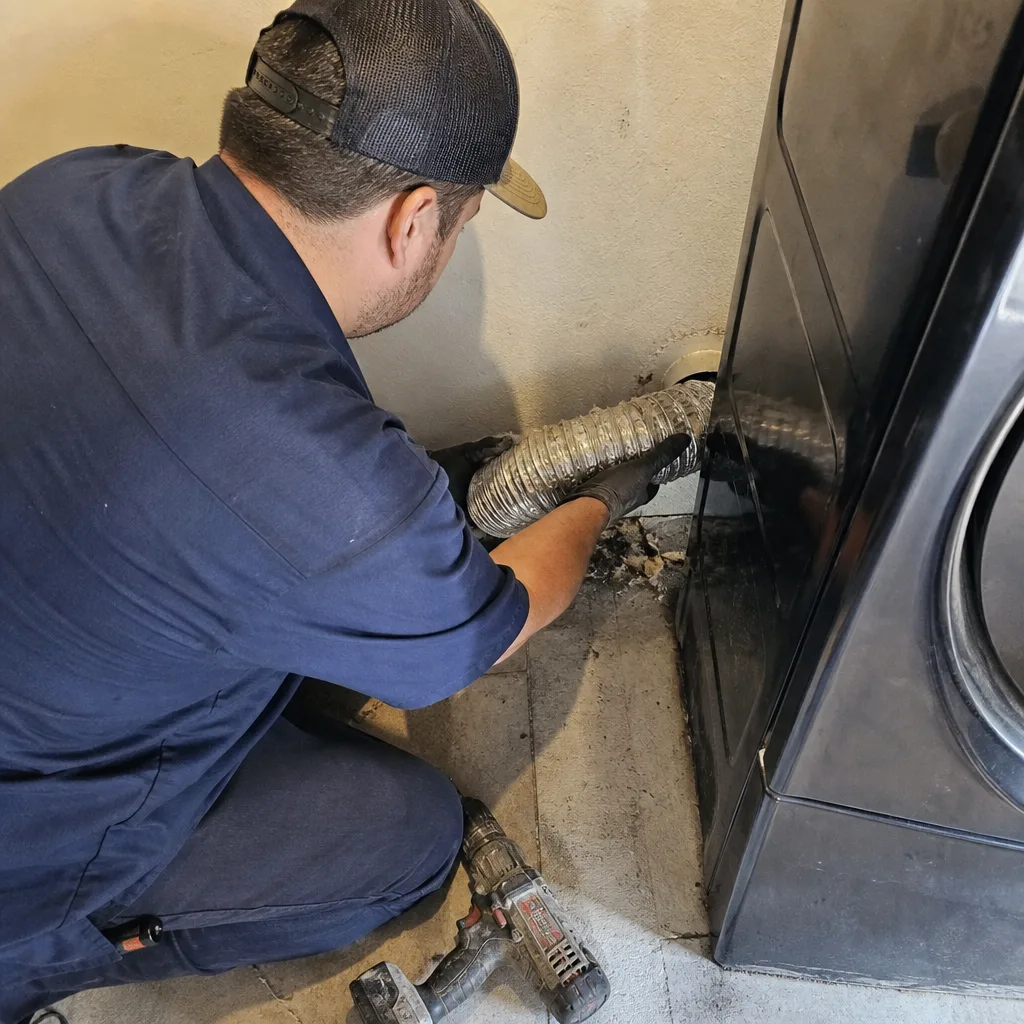
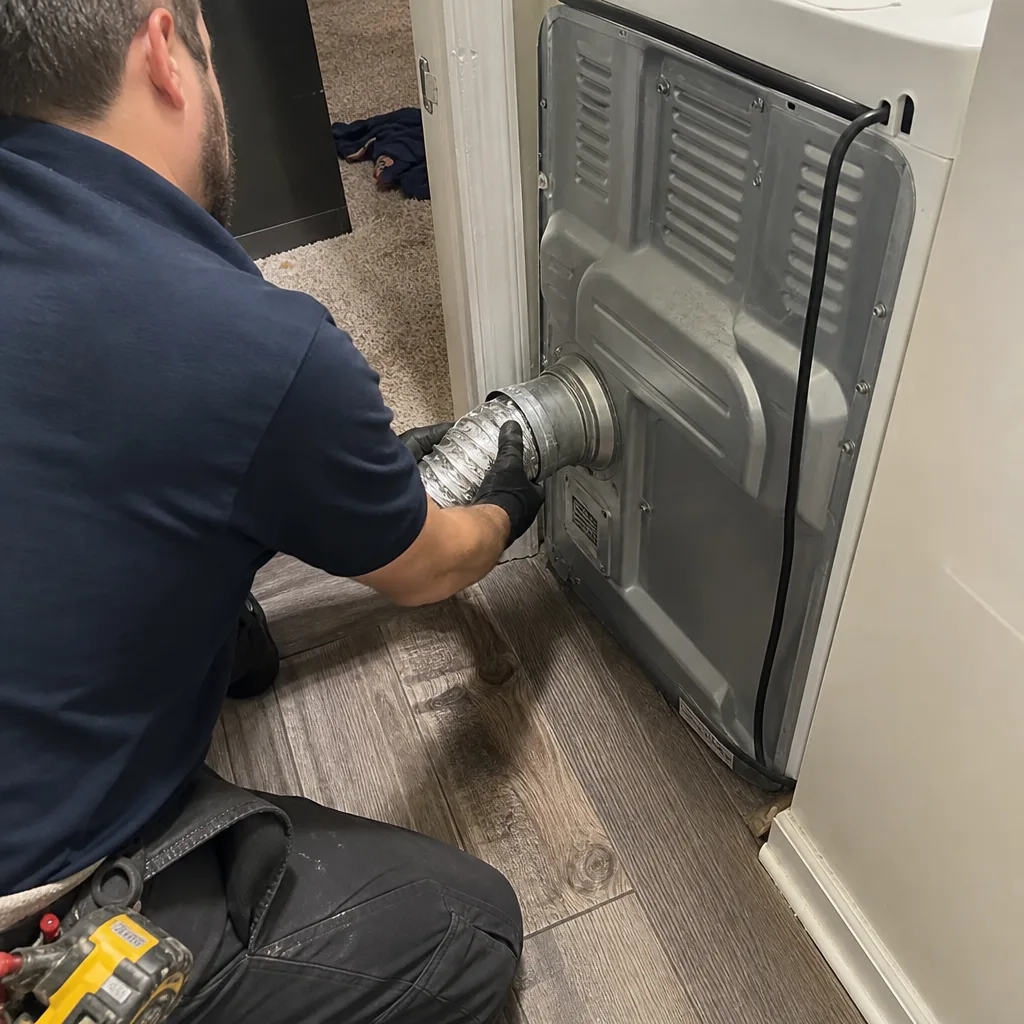
Dryer vent cleaning is more accessible to DIY than full duct cleaning because the run is typically straight, short, and terminates at an exterior wall. A $25 brush kit can effectively remove lint from accessible sections. However, runs through attic or crawl space, or those with multiple bends, require professional equipment. For Dryer Vent Cleaning in Sandy Springs, we handle complex configurations and provide the same photo documentation as our duct cleaning service. Lint accumulation is also a genuine fire hazard - if you cannot see light through the vent from the outside with the dryer running, call a professional regardless of DIY capability.
Modestly, in specific conditions. A blower or coil clogged with debris works harder to move air, increasing energy consumption. Cleaning these components can restore efficiency to designed levels. However, cleaning debris from duct walls alone rarely produces measurable efficiency gains unless airflow was severely restricted. The primary benefits of duct cleaning are air quality and system longevity, not utility bill reduction. We document coil and blower condition in our assessments and include cleaning in the scope only when our photo record shows it’s warranted.
Air duct cleaning addresses the distribution network: supply and return ducts, registers, and plenum. HVAC Cleaning in Sandy Springs includes the mechanical components: evaporator coil, blower assembly, heat exchanger, and filter housing. These are separate but related services. A complete system cleaning addresses both; duct cleaning alone leaves contamination in the air handler that recirculates into “clean” ducts. At CleanRun, we scope each component individually and include only what’s needed in your written price.
The Bottom Line
DIY air duct cleaning has its place: recent construction dust, isolated register maintenance, and pre-professional inspection are all reasonable applications. But the physics of source removal - negative pressure, zone isolation, full-system agitation - cannot be replicated with consumer tools. In Sandy Springs’ older housing stock, humid climate, and pollen-heavy environment, the gap between surface wiping and source removal is often the difference between cosmetic improvement and actual system cleanliness. Make your decision based on scope, not price. And whatever path you choose, get it in writing, get it photographed, and know what you’re actually paying for.
Written by Tomas Reyes, Owner at CleanRun Air Duct Cleaning Sandy Springs, serving Sandy Springs since 2013.