
Last updated September 23, 2026
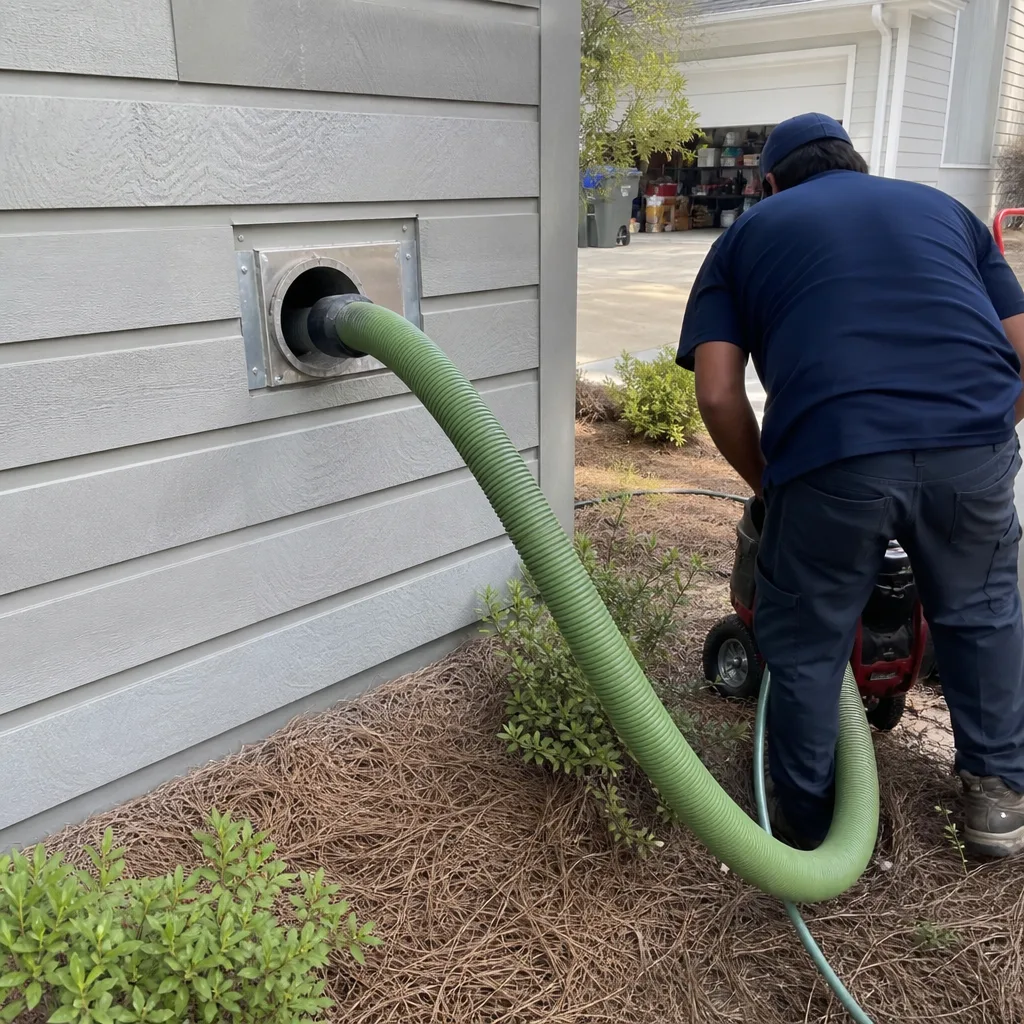
Whole-system duct and dryer vent check with before-and-after photos - you see exactly what came out of your vents
That "$99 whole-house special" is a bait ad - the real number appears once they are in your hallway, or the "clean" is a shop-vac at the register. We photograph the inside of your ducts before and after instead.
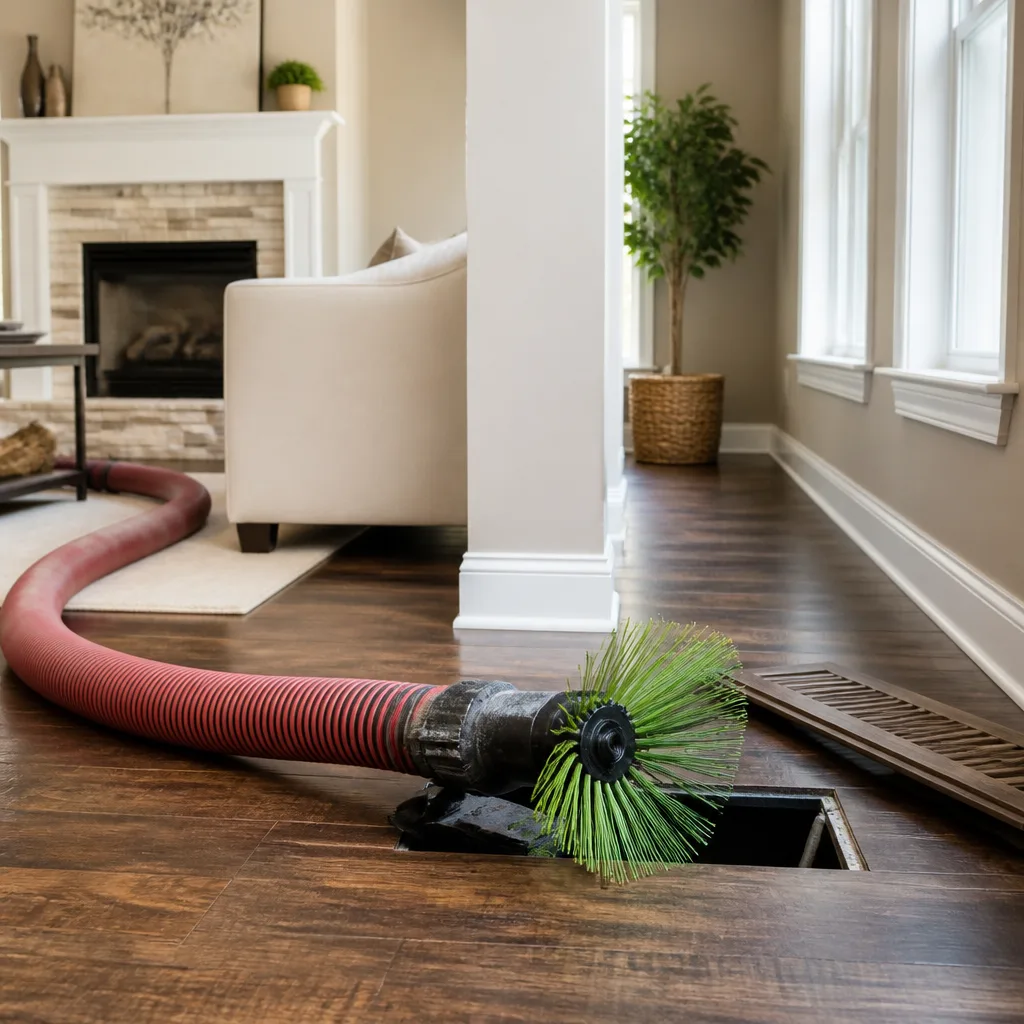
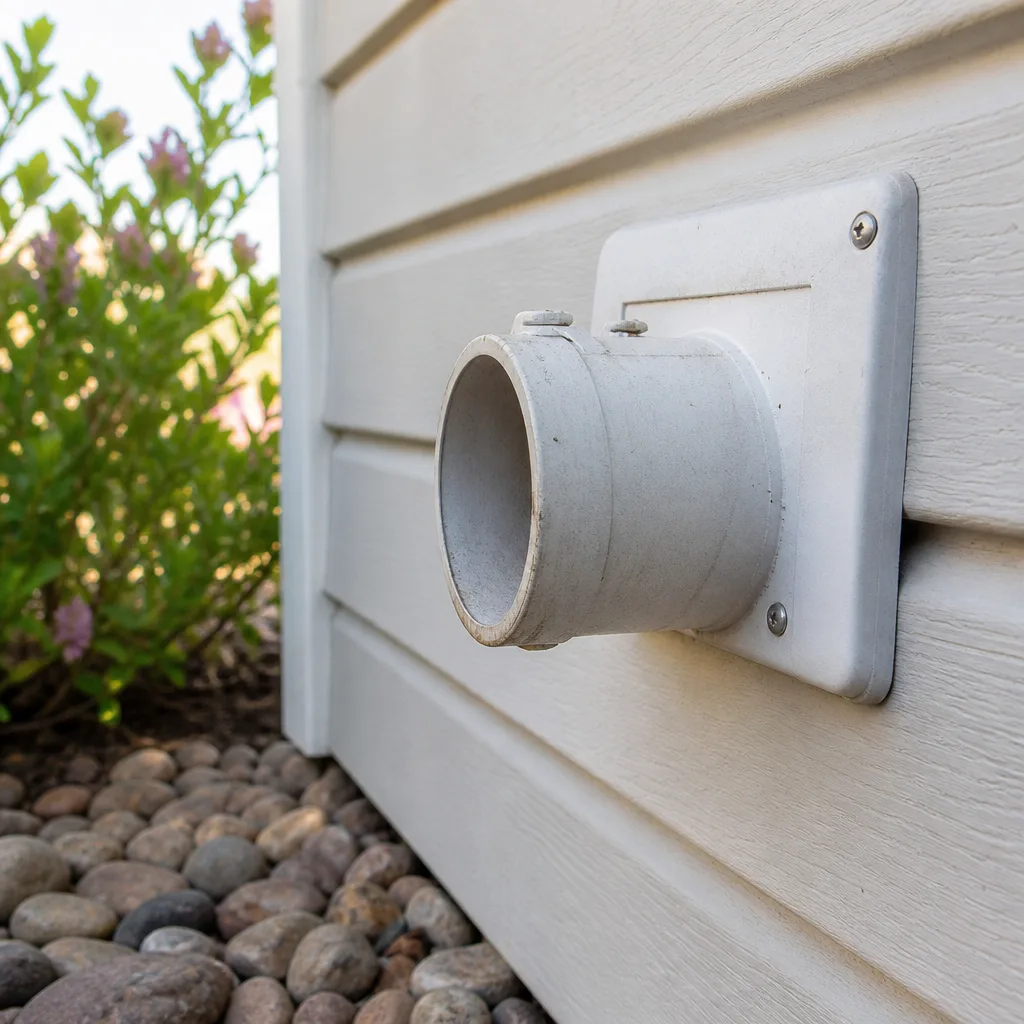
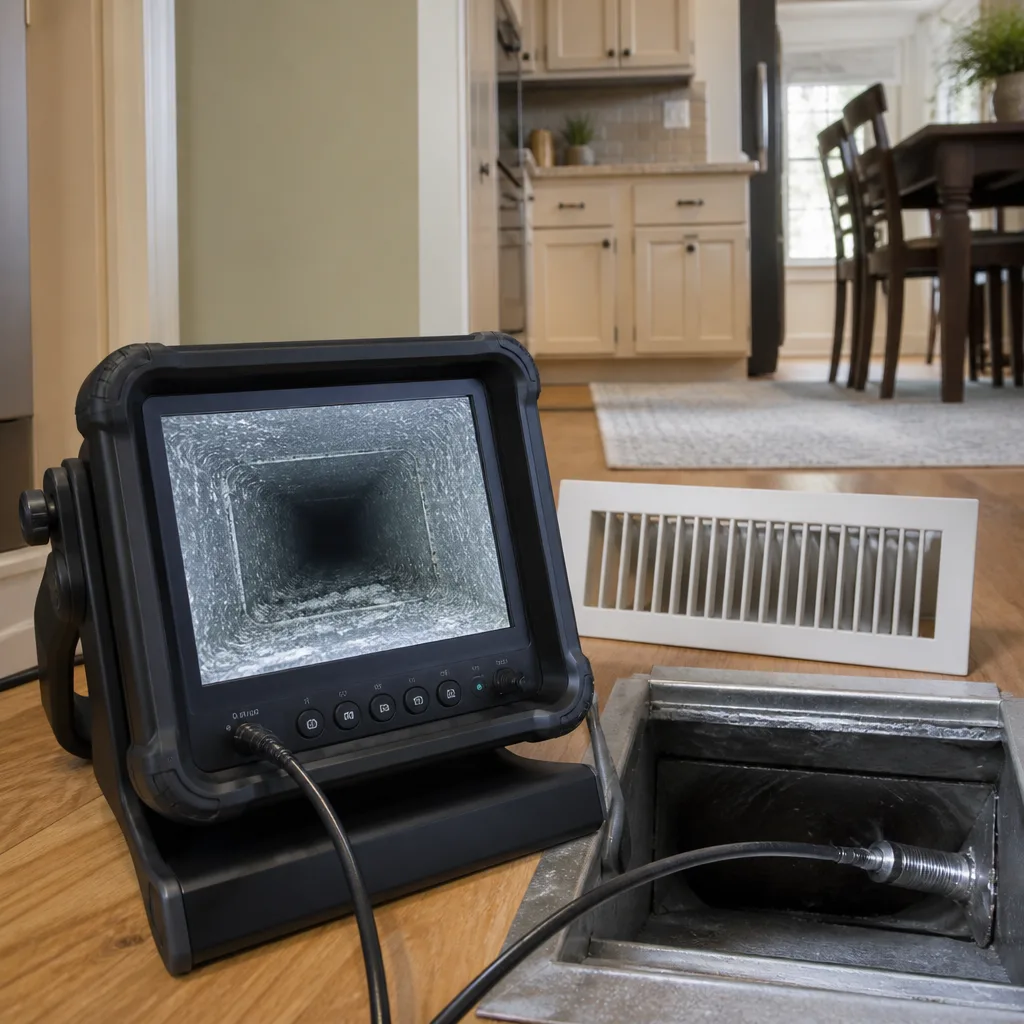
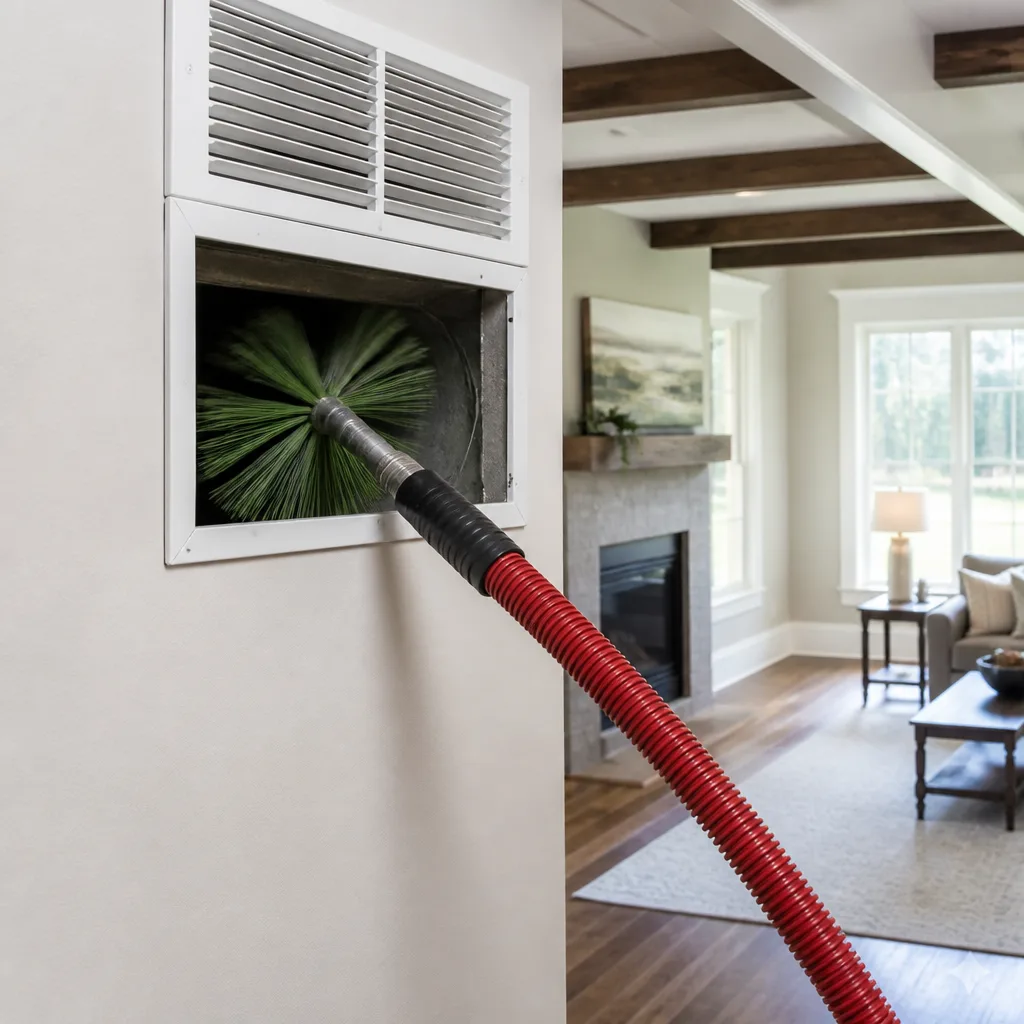
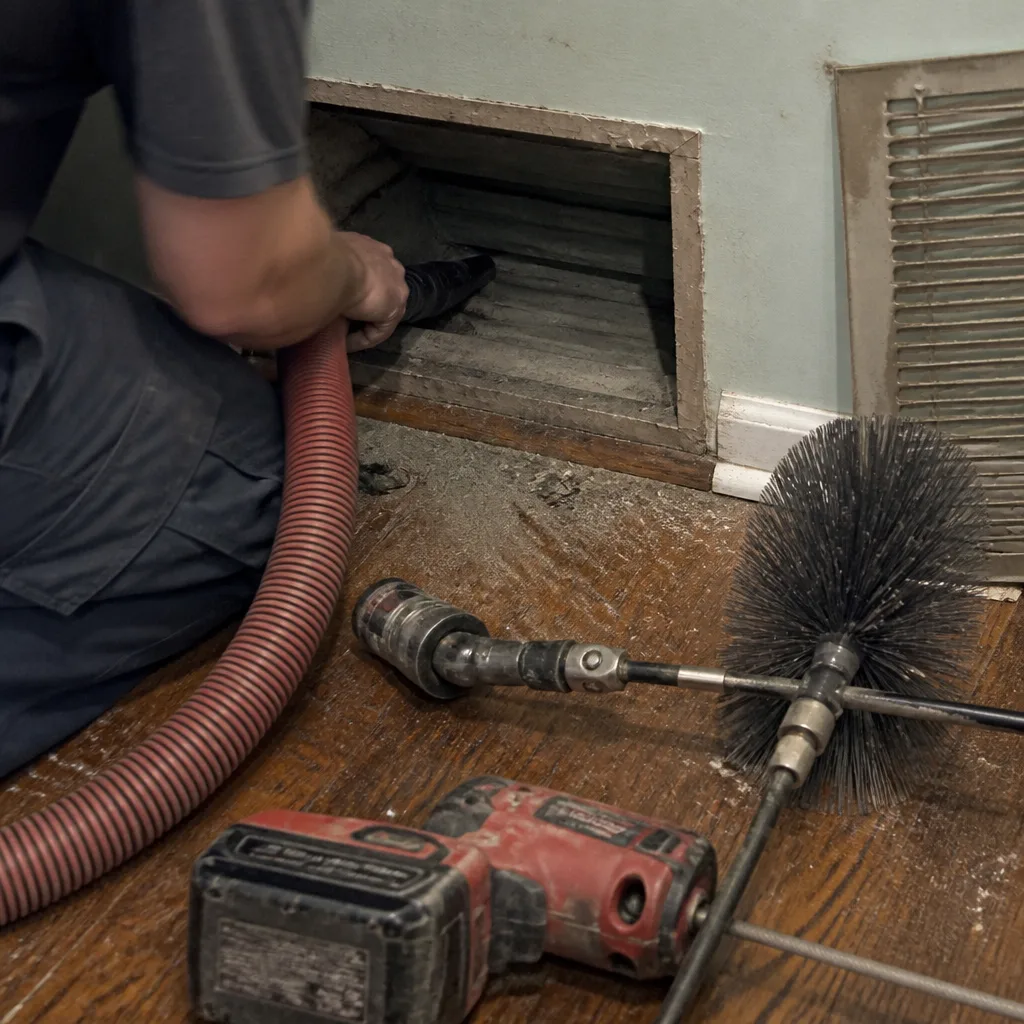 Before
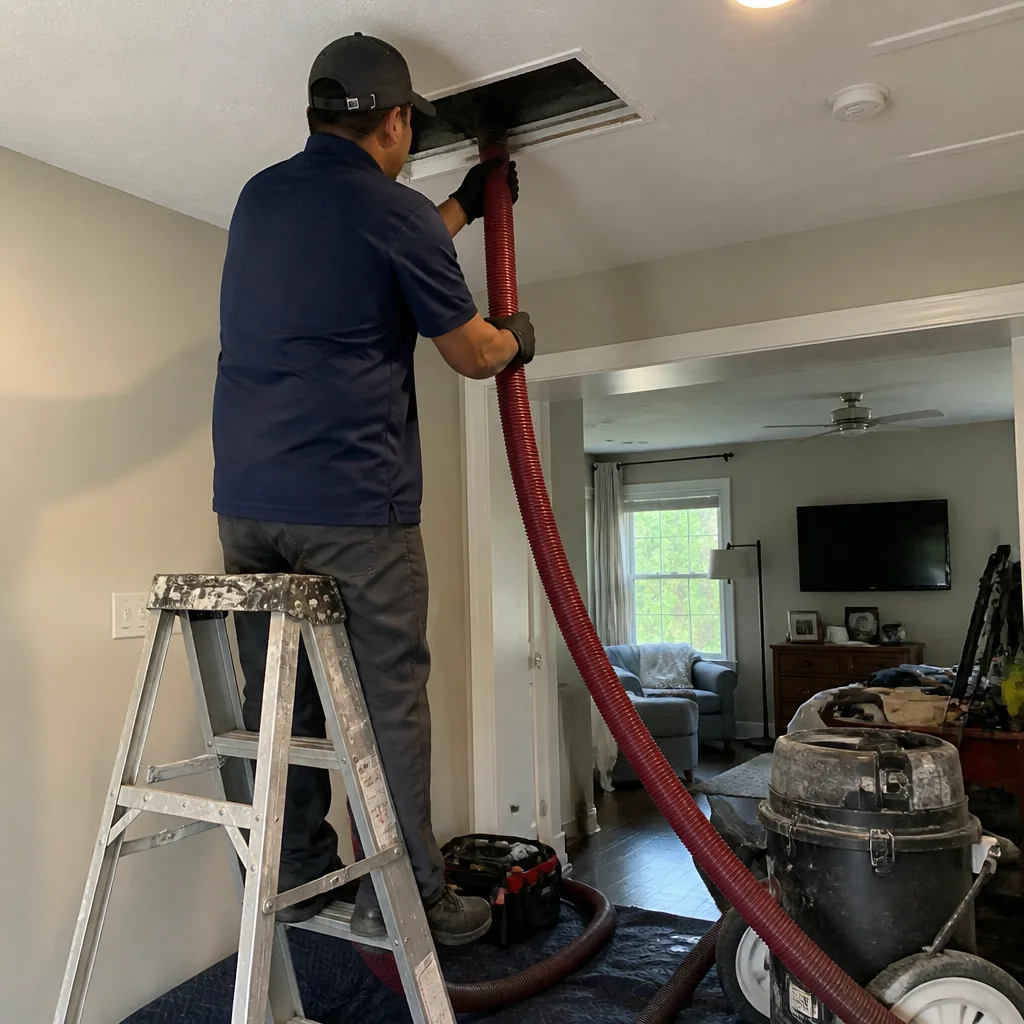 After
After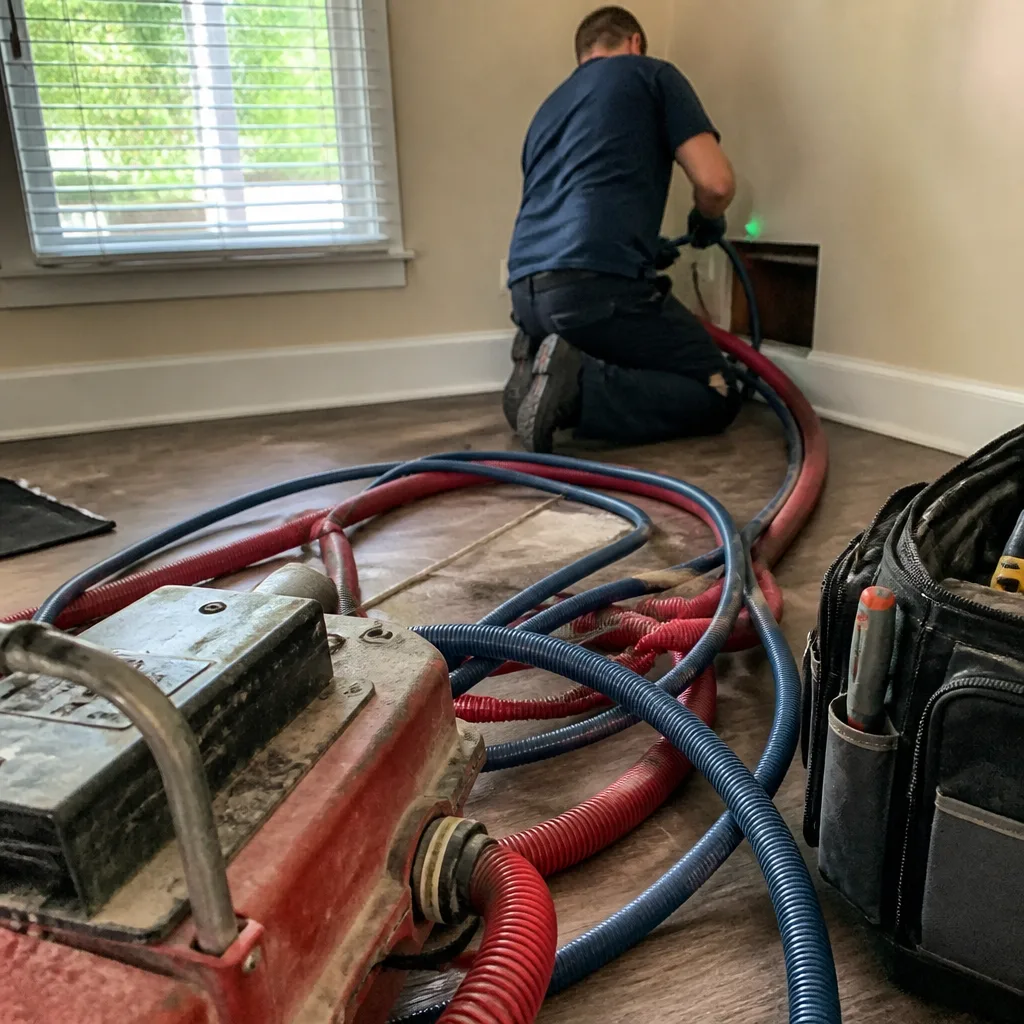 Before
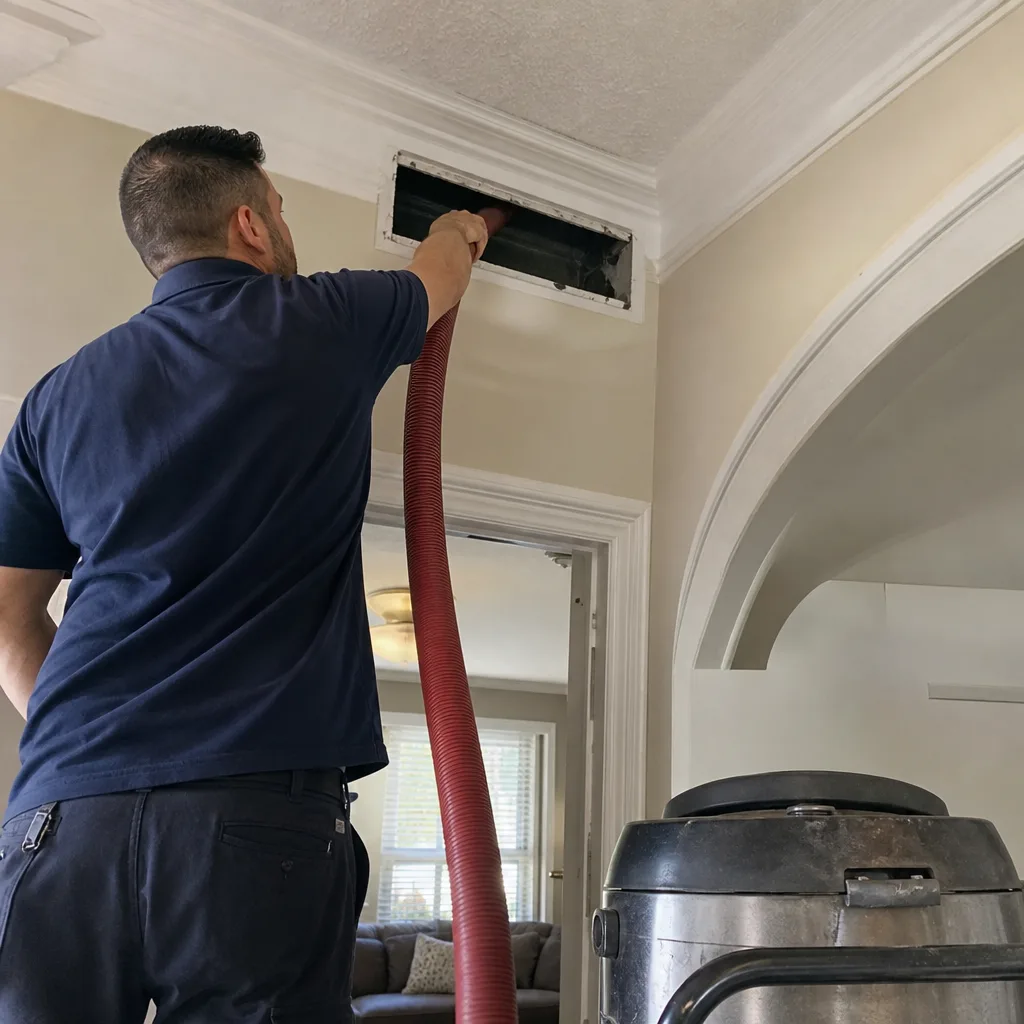 After
After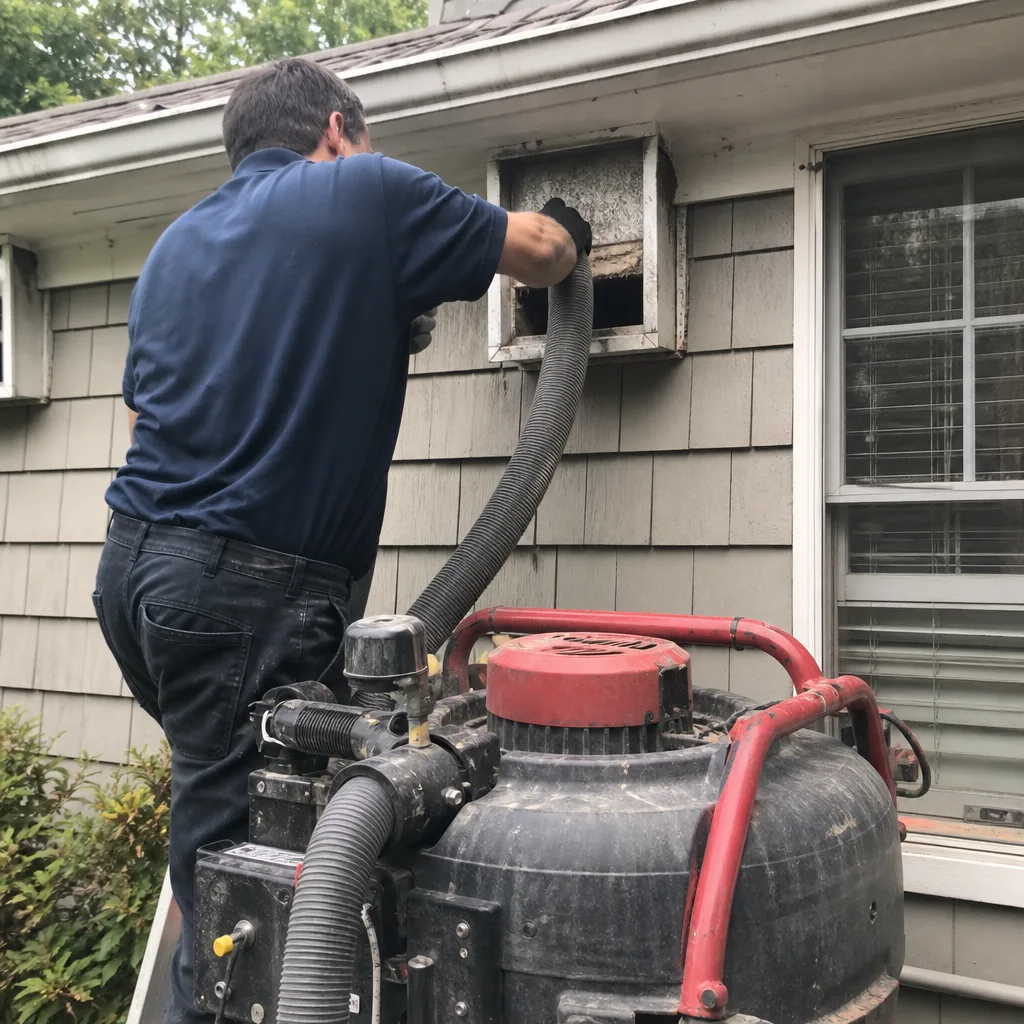 Before
 After
AfterAir Duct Cleaning Warning Signs: A Sandy Springs Homeowner’s Reference Guide
Here’s something most duct cleaning companies won’t tell you: dust on your supply registers is almost never a warning sign. It collects on every system, even ones cleaned last month. The real diagnostic value lies in knowing which observations mean nothing, which mean schedule a service, and which mean call today. Sandy Springs homeowners deal with a specific set of variables - heavy pollen seasons, older HVAC infrastructure in neighborhoods like Dunwoody Panhandle and Riverside, and a market saturated with $79 coupon operators who create urgency without evidence. Our Complete Guide to Air Duct Cleaning in Sandy Springs covers the full process in depth; this page gives you a severity scale for the 12 most commonly cited warning signs, with the physical reasoning behind each classification. You’ll learn to distinguish mold-like growth from ordinary debris, identify vermin evidence that changes the scope of work entirely, and document baseline conditions so future technicians can evaluate change over time rather than sell you a snapshot.
Quick Answer
Most “warning signs” for air duct cleaning are misinterpreted normal conditions. Only three categories require immediate professional evaluation: visible mold growth confirmed by lab test, evidence of rodent or insect infestation inside ductwork, and structural damage causing measurable airflow loss. Everything else - including dust on registers, musty odors, and uneven room temperatures - falls into monitor or schedule tiers based on severity, duration, and whether the symptom is getting worse.
Table of Contents
- The Three-Tier Severity Scale for Duct Warning Signs
- Register Dust: Supply vs. Return - What Each Actually Tells You
- Mold-Like Growth: Identification Without a Lab Test
- Vermin Evidence: When Cleaning Becomes Remediation
- Airflow and Pressure Symptoms: Structural vs. Cleaning Problems
- The Documentation Method: Creating Your Baseline Record
- Sandy Springs-Specific Factors That Accelerate Duct Issues
- Common Mistakes to Avoid
- When to Call a Professional
- Frequently Asked Questions
- The Bottom Line
BeforeAfterThe Three-Tier Severity Scale for Duct Warning Signs
We’ve cleaned ducts in over 52,000 homes since 2013, and the same pattern repeats: homeowners call because they saw something, but they don’t know if it’s urgent, routine, or irrelevant. The industry profits from this uncertainty. Our severity scale removes the guesswork.
Tier 1: Monitor (Normal System Behavior)
These conditions appear on virtually every residential duct system and do not, by themselves, indicate a cleaning need. Check them quarterly and note changes.
- Dust on supply register fins: Your system moves air. Air carries particles. Particles settle on the first surface they hit. This is physics, not failure. Wipe registers during normal house cleaning and move on.
- Occasional odor when system first cycles: Dust burning off heat exchanger surfaces in fall, or residual moisture in evaporator coils in spring. Lasts under 10 minutes. Persistent odors move to Tier 2.
- Slight temperature variation between rooms: Under 3 degrees when system is at steady state. Duct length, insulation quality, and solar gain create this in every home.
- Visible debris at register opening only: The first 6 inches of duct behind a register accumulate debris faster than deeper runs. This is normal boundary-layer behavior in airflow.
Tier 2: Schedule (Book Within 30-90 Days)
These conditions indicate measurable accumulation or performance degradation. They’re not emergencies, but they won’t resolve without intervention. Document with photos and schedule service.
- Dust on return registers with clean filter: Indicates filtration bypass or filter media inadequate for particle load. In Sandy Springs, this often appears in late April after peak oak and pine pollen. The filter is doing its job at the air handler but not at the return grille.
- Persistent musty odor lasting entire cooling cycle: Suggests microbial growth in evaporator housing or condensate pan, not necessarily deep in ductwork. Requires HVAC cleaning, possibly duct cleaning if spores have distributed.
- Temperature variation exceeding 5 degrees between rooms: May indicate duct leakage, insulation failure, or register damper issues. A full HVAC cleaning and inspection in Sandy Springs can isolate the cause.
- Increased dust accumulation on furniture despite regular cleaning: Suggests duct leakage pulling attic or crawl space debris into supply air, or filter bypass at the plenum (the large central chamber where all duct runs connect).
Tier 3: Act Now (Evaluate Within 48 Hours)
These conditions pose health risks, structural damage potential, or immediate system failure. Do not wait for a convenient appointment window.
- Visible mold growth on duct interior surfaces: Not discoloration - actual fungal growth with texture. Requires lab confirmation for species identification and remediation protocol. See detailed identification guidance below.
- Rodent or insect droppings, nesting material, or carcasses in ductwork: Categorically different from debris. Requires pest remediation before any cleaning, and often duct repair or replacement of contaminated sections.
- Visible water or moisture in ducts: Indicates condensate line failure, humidifier malfunction, or envelope leak. Water plus organic debris equals microbial growth within 48-72 hours in Sandy Springs humidity.
- Structural damage: separated duct joints, collapsed flex duct, or large debris blocking airflow: This is a duct repair problem, not a cleaning problem. Negative-pressure extraction equipment can worsen separation if joints are already failing.
Register Dust: Supply vs. Return - What Each Actually Tells You
The most common call we receive in Sandy Springs starts with “my registers are dusty.” Our first question is always: supply or return? The answer changes everything.
Supply registers push conditioned air into rooms. Dust on their fins is airborne particles that settled after passing through the filter, coil, and blower. If your filter is MERV 8 or higher and changed on schedule, this dust is minimal and normal. If it’s excessive despite good filtration, you may have duct leakage downstream of the air handler pulling unfiltered air from attic or wall cavities.
Return registers pull room air back to the air handler. Dust on these indicates one of three conditions: the filter at the air handler is missing, incorrectly installed, or overloaded; the return ductwork has leaks pulling attic air; or the return grille itself lacks a filter and is pulling debris from the room. In Sandy Springs homes built 2015-2020, we frequently find return filters omitted during construction or removed by homeowners who found them “hard to change.”
The diagnostic method is simple. Clean a return register thoroughly. Change or verify your air handler filter. Check again in 14 days. If dust returns heavily on the return but not supply, you have a filtration failure, not a “dirty ducts” problem. If both are heavy, schedule inspection - the system is moving excessive particulate load.
One Sandy Springs-specific note: homes near the Chattahoochee River corridor or in lower-elevation sections of the city experience higher ambient humidity and particulate from river valley inversions. These homes legitimately need more frequent filter changes, but the symptom shows at returns first, not supplies.
Mold-Like Growth: Identification Without a Lab Test
“Black mold” is the most overused phrase in home services. Most dark discoloration in ducts is not fungal growth. Here’s how to distinguish without sending samples to a lab - and when a lab test is actually warranted.
Visual Characteristics of Common Non-Mold Conditions
| Appearance | Most Likely Identity | Test Needed? |
|---|---|---|
| Flat, uniform gray or black film on metal duct surfaces | Dust and oil residue from combustion appliances or cooking aerosols that passed filtration | No |
| Speckled pattern following weld seams or screw lines | Corrosion staining on galvanized steel; common in humid climates | No |
| Fuzzy or raised texture, any color, spreading across surface | Microbial growth - mold or yeast | Yes |
| Green, blue, or white powdery coating | Fungal sporulation | Yes |
| Irregular dark patches with musty odor when disturbed | Probable mold; odor indicates active metabolic process | Yes |
The texture test is the most reliable field indicator. Wearing a glove and N95 mask, gently touch the discolored area with a cotton swab. Dust and residue smear. Mold, if active and sporulated, may show slight powder transfer but maintains its structure. Fuzzy or raised growth that holds form is concerning.
When a lab test is warranted: any growth exceeding 10 square inches, any growth in a home with immunocompromised occupants, any growth following water intrusion event, or any growth where the HVAC system has been running continuously (distributing spores). CleanRun does not perform remediation; we refer to certified mold remediation contractors and return to clean and seal ducts after their protocol is complete.
In Sandy Springs, we see elevated mold concern calls in late September when homeowners first switch from cooling to heating and smell dormant microbial activity. The growth didn’t appear overnight; the heating cycle simply dried and disturbed it.
Vermin Evidence: When Cleaning Becomes Remediation
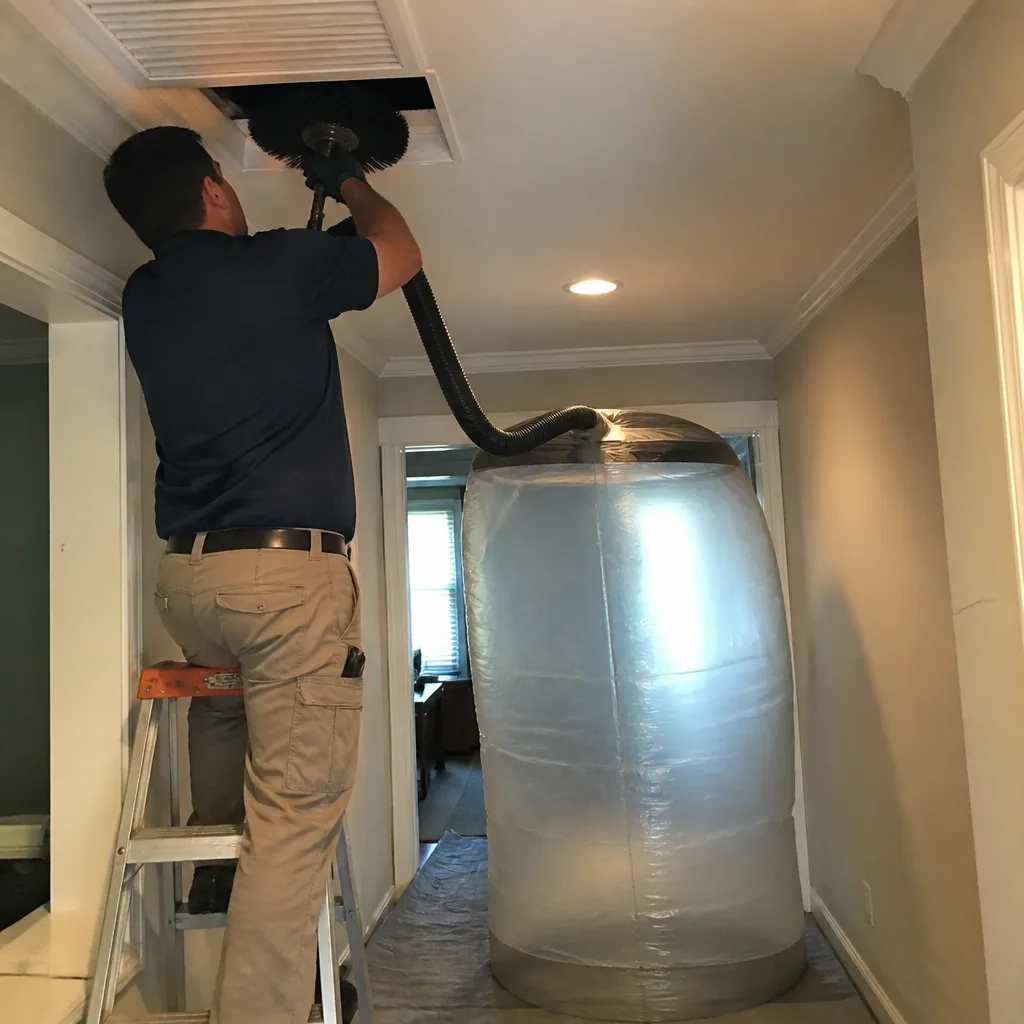
Rodent or insect presence in ductwork is not a “heavy cleaning” situation. It requires a completely different protocol, and standard duct cleaning without pest remediation first can make contamination worse by distributing biological material.
What Vermin Evidence Looks Like Specifically
- Droppings: Mouse droppings in ducts are 1/8 to 1/4 inch, rod-shaped, pointed at ends, and often concentrated near joints or vertical drops where animals travel. Rat droppings are larger, up to 3/4 inch, with blunt ends. Insect frass (droppings) varies by species - cockroach frass resembles coffee grounds or black pepper.
- Nesting material: Shredded paper, insulation, or fabric carried into ducts. Mice can squeeze through 1/4-inch gaps. Nests are typically in horizontal sections near warmth, such as above the air handler or in attic trunk lines.
- Entry point damage: Chewed flex duct lining, gnawed metal seams, or separated joints where animals pushed through. This is structural damage requiring repair, not cleaning.
- Odor: Distinct from musty microbial odor - sharper, ammonia-based, persistent even when system is off. Dead animal odor is sulfurous and intensifies with heat.
The critical distinction: vermin evidence means the animal has accessed your duct system from outside. Until entry points are sealed and the population eliminated, cleaning is temporary and potentially harmful. We have documented photo records from Sandy Springs homes in the Spalding Woods and North Springs areas where rodent activity in crawl spaces connected to basement ductwork - the entry point was the problem, not the debris.
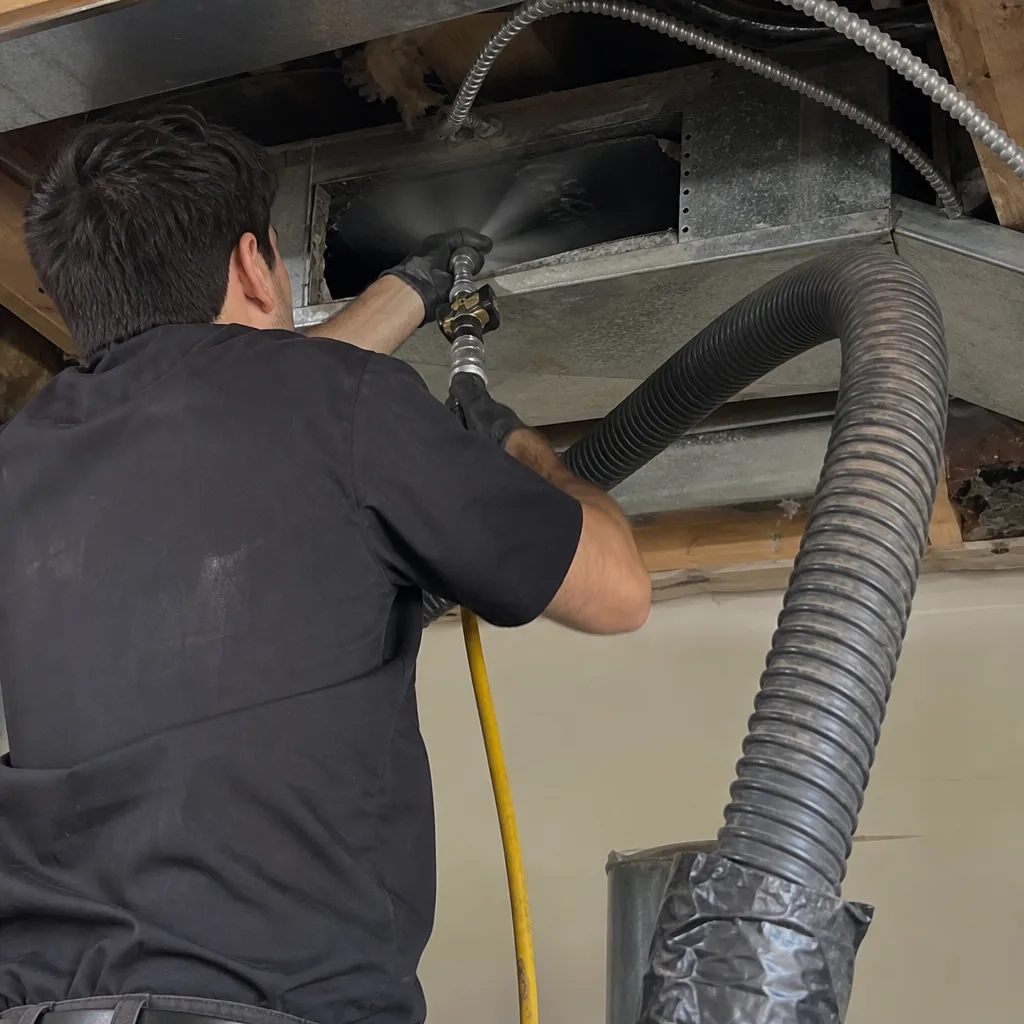
If you find vermin evidence, your sequence is: pest control for elimination and entry sealing, then duct inspection for damage assessment, then cleaning and repair if needed. CleanRun coordinates with pest control professionals and returns for the ductwork phase with our Rotobrush and Abatement Technologies equipment after verification.
Airflow and Pressure Symptoms: Structural vs. Cleaning Problems
Weak airflow from a register, or a room that won’t maintain temperature, is the symptom most commonly misattributed to “dirty ducts.” In our experience across Sandy Springs, actual airflow obstruction from debris is rare. The cause is almost always structural.
Symptoms That Indicate Structural Problems
- Single room with weak airflow and temperature issues: Likely disconnected flex duct, crushed duct in wall cavity, or failed damper. Debris accumulation severe enough to block airflow would affect multiple rooms on the same branch.
- Whistling or high-velocity noise from specific registers: Indicates undersized duct, excessive static pressure from poor design, or partially closed damper - not blockage.
- System runs continuously without reaching setpoint: Refrigerant charge issue, failing compressor, or duct leakage losing conditioned air to attic. A professional duct inspection in Sandy Springs includes pressure testing to isolate this.
- Register blows adequately but room stays uncomfortable: Insulation failure in duct run, envelope air leakage (windows, doors, attic), or solar gain exceeding design load. The duct is delivering air; the building is losing it faster than the system can replace it.
When Cleaning Actually Helps Airflow
There are legitimate cases. Evaporator coils fouled with debris can reduce system capacity 20-30%, feeling like weak airflow. Blower wheels caked with residue move less air. These are HVAC cleaning problems, not duct cleaning problems, though the symptoms feel identical to homeowners. Our documented photo records frequently show 1/8 to 3/16 inch of debris on blower wheels in homes where the owner requested “duct cleaning for weak airflow.”
The diagnostic tool is static pressure measurement. A technician inserts probes at the air handler to measure resistance across the filter, coil, and duct system. Normal residential static pressure is 0.5 inches water column or less. Above 0.8 typically indicates blockage or restriction. We perform this measurement before recommending any service - Haven Standard Clause 1 requires written scope based on documented findings, not symptoms described over the phone.
The Documentation Method: Creating Your Baseline Record
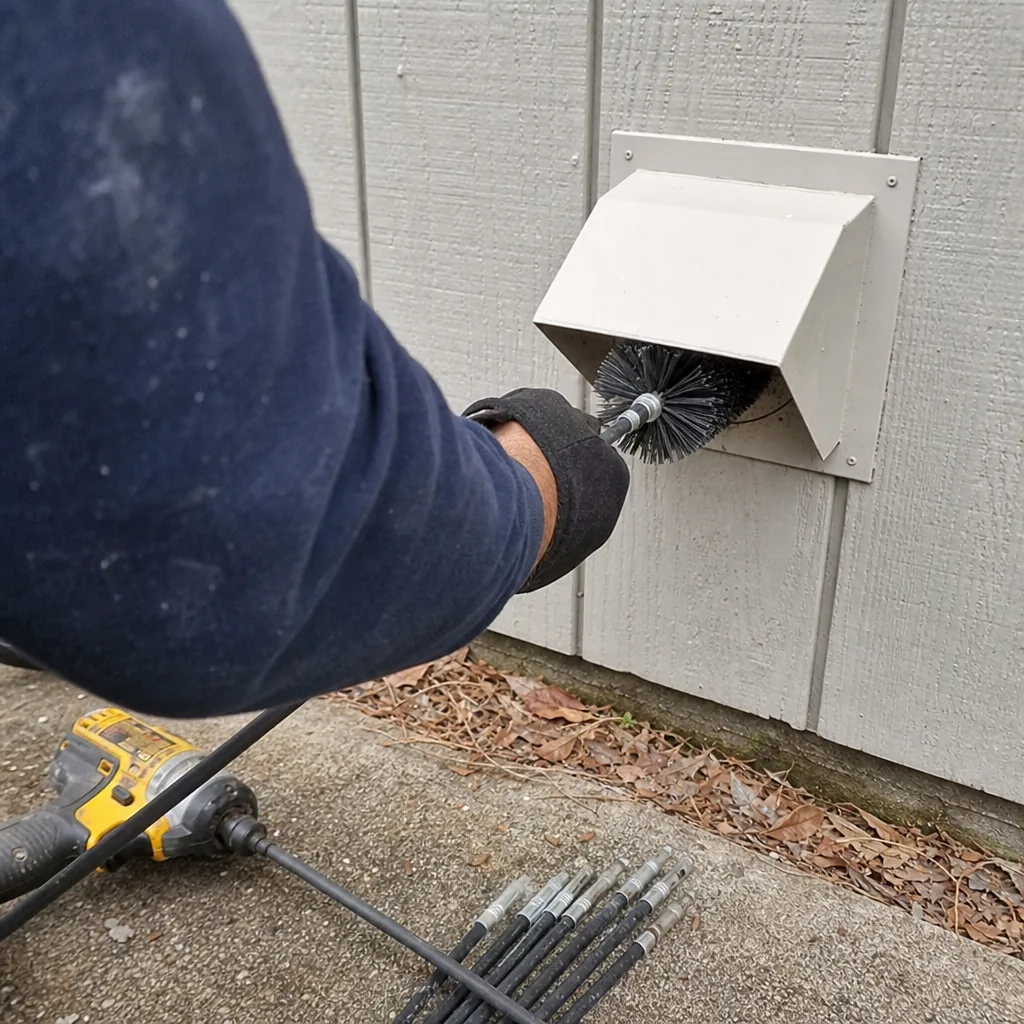
The most powerful tool for avoiding unnecessary service is a dated photo record. Without baseline documentation, every technician who enters your home sees only current state and sells you current state. With baseline documentation, you and future technicians can evaluate change over time.
Step-by-Step Baseline Documentation
- Photograph every register and return: Remove the grille, photograph the duct opening with flash, include a dated reference (newspaper or phone showing date). Do this for supply and return separately.
- Photograph the air handler area: Filter condition, coil visible through access panel, condensate pan, blower compartment if accessible. Date stamp each image.
- Photograph the filter itself: New filter installed, then again at 30, 60, and 90 days. This establishes your home’s actual particle load, which varies enormously based on construction activity, landscaping, and occupancy.
- Store with cloud backup: Create a folder labeled “HVAC Baseline [Date]” and upload all images. Share access with any service provider you call for future comparison.
When CleanRun arrives for any service, we create our own documented photo record of every duct run, before and after, delivered as part of the standard job record. But your independent baseline is equally valuable. We’ve had Sandy Springs homeowners show us photos from 18 months prior that demonstrated a condition was unchanged - avoiding unnecessary service entirely. Haven Standard Clause 2, Documented Evidence, applies to what we show you, but your own records extend that principle.
For homeowners in newer Sandy Springs construction, particularly in areas like City Springs or the redevelopment along Roswell Road, we recommend baseline documentation at move-in. Post-construction debris in ducts is common, and distinguishing original construction residue from subsequent accumulation requires a starting point.
Sandy Springs-Specific Factors That Accelerate Duct Issues
Geography and construction patterns in Sandy Springs create conditions that don’t apply uniformly across metro Atlanta. Understanding these helps interpret warning signs accurately.
Pollen load: Sandy Springs sits at the intersection of Piedmont forest and urban development. Oak, pine, and birch pollen counts regularly exceed 3,000 grains per cubic meter in peak season. Homes with inadequate filtration - common in builder-grade systems installed 2015-2020 - experience filter overload in 10-14 days rather than the standard 60-90. The symptom is dust on return registers and premature filter failure, not “dirty ducts.”
Humidity patterns: July and August average relative humidity above 75%. Condensate systems work continuously, and evaporator housing microbial growth is more common here than in drier inland markets. The warning sign is persistent musty odor during cooling cycles, not visible debris.
Age of housing stock: Sandy Springs has significant inventory from the 1960s-1980s in neighborhoods like Hammond Hills and Sandy Springs Heights, plus rapid infill construction 2015-2025. Older homes often have uninsulated metal duct in crawl spaces, prone to condensation and corrosion. Newer homes frequently have flex duct with tight turns and inadequate support, prone to kinking and collapse. The same symptom - weak airflow - has opposite causes in these two contexts.
Redevelopment and construction activity: Ongoing construction along GA-400 corridor and Roswell Road generates fine particulate that infiltrates homes regardless of filtration. We’ve documented 2-4 times normal debris accumulation in homes within 500 feet of active construction sites, even with doors and windows closed.
Code and permit context: Fulton County requires mechanical permits for duct modification but not for cleaning. Any contractor proposing duct repair, sealing, or modification should produce a permit number. CleanRun’s license is published on every proposal - not buried in a footer - and we pull permits for any work beyond cleaning scope.
Common Mistakes to Avoid
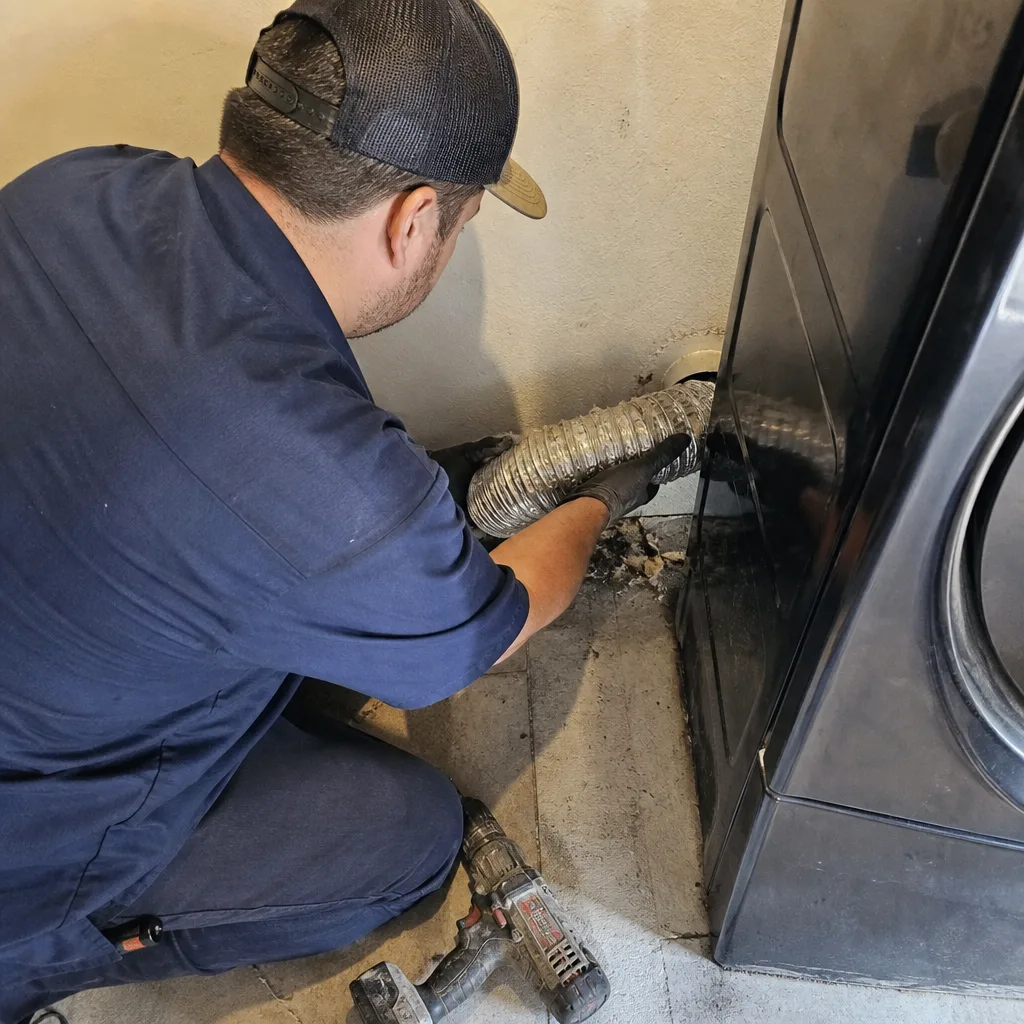
- Assuming dust on supply registers means ducts need cleaning: This is normal airflow behavior. The diagnostic value is in return register condition and filter performance, not supply dust.
- Accepting a per-vent price quote: This pricing model incentivizes superficial work. CleanRun provides one flat price per system, agreed in writing before work starts, based on square footage and system configuration - not register count.
- Scheduling cleaning after visible mold without species identification: Disturbing certain mold species without proper containment can worsen indoor air quality. Lab identification determines remediation protocol, not visual assessment alone.
- Ignoring vermin evidence and proceeding with standard cleaning: Standard negative-pressure extraction does not eliminate biological contamination from rodent or insect activity. The sequence matters: pest control first, then duct evaluation.
- Photographing only the worst register: Baseline documentation requires comprehensive coverage. A single dramatic photo without context invites unnecessary service based on isolated condition.
- Expecting cleaning to fix structural airflow problems: Disconnected ducts, crushed flex, and failed dampers require repair. No amount of debris removal restores airflow through a separated joint.
- Using the cheapest filter that fits: MERV ratings below 8 provide minimal protection for ductwork. In Sandy Springs pollen load, MERV 11-13 with 4-inch media is appropriate for most homes, changed every 60 days minimum during peak season.
When to Call a Professional
Call for evaluation within 48 hours if you observe: fuzzy or raised growth on duct surfaces, any evidence of rodent or insect activity inside ductwork, water or moisture in ducts, or structural damage visible at register openings. These conditions escalate quickly and may require coordinated services beyond cleaning.
For Tier 2 conditions - persistent odors, temperature variation exceeding 5 degrees, heavy return register dust despite filter maintenance - schedule inspection within 30-90 days. Document with dated photos first.
CleanRun Air Duct Cleaning Sandy Springs offers free estimates with written scope and pricing before any work begins. Every evaluation includes static pressure measurement and, if indicated, camera inspection with images included in your documented photo record. Call (678) 904-9744 to schedule. For dryer vent concerns specifically, we perform a separate evaluation - the fire risk profile differs from duct contamination and warrants distinct protocol.
Frequently Asked Questions
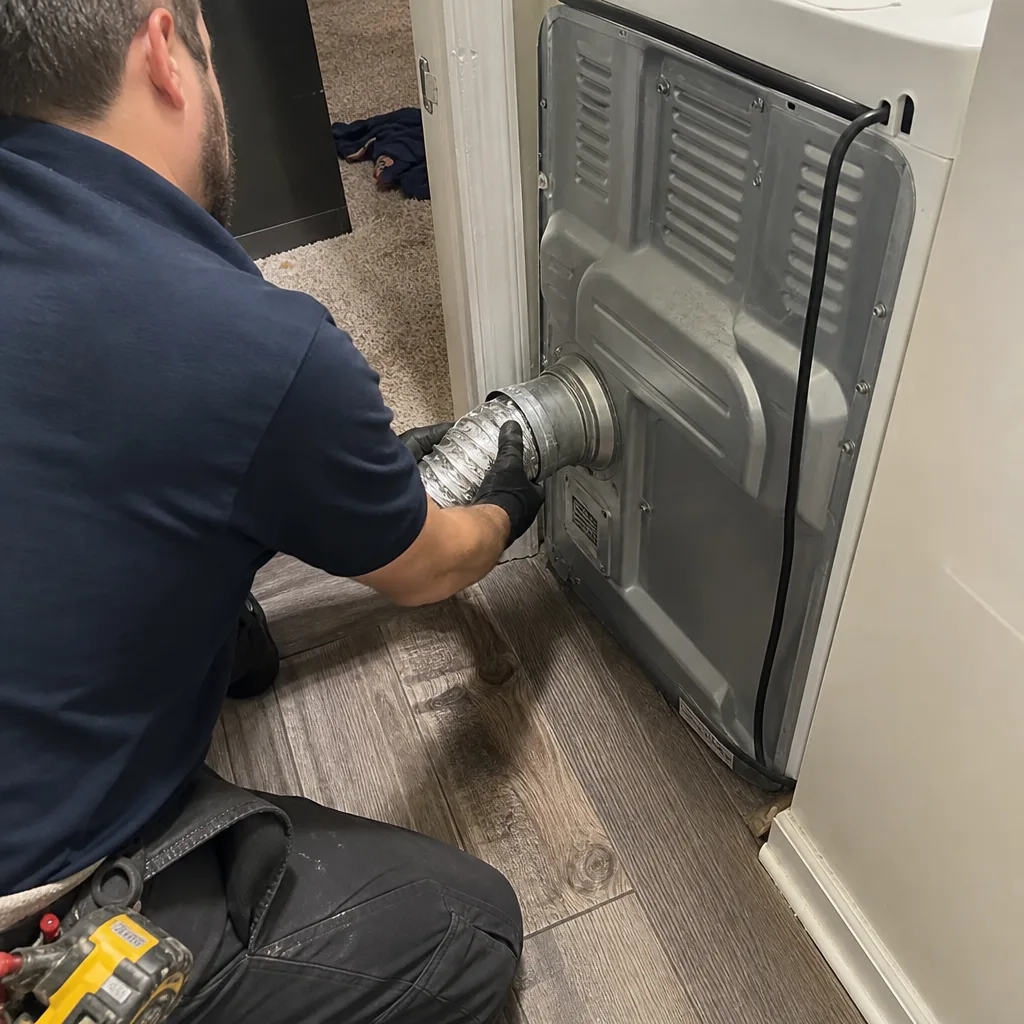
Whole-system air duct cleaning in Sandy Springs typically ranges from $450 to $850 for single-system homes under 3,500 square feet, and $750 to $1,400 for larger homes or dual-zone systems. The range reflects system complexity, accessibility, and whether HVAC cleaning (coil, blower, plenum) is included. CleanRun provides one flat price per system, agreed in writing before work starts, with no per-vent add-ons. Call (678) 904-9744 for an exact quote - estimates are free.
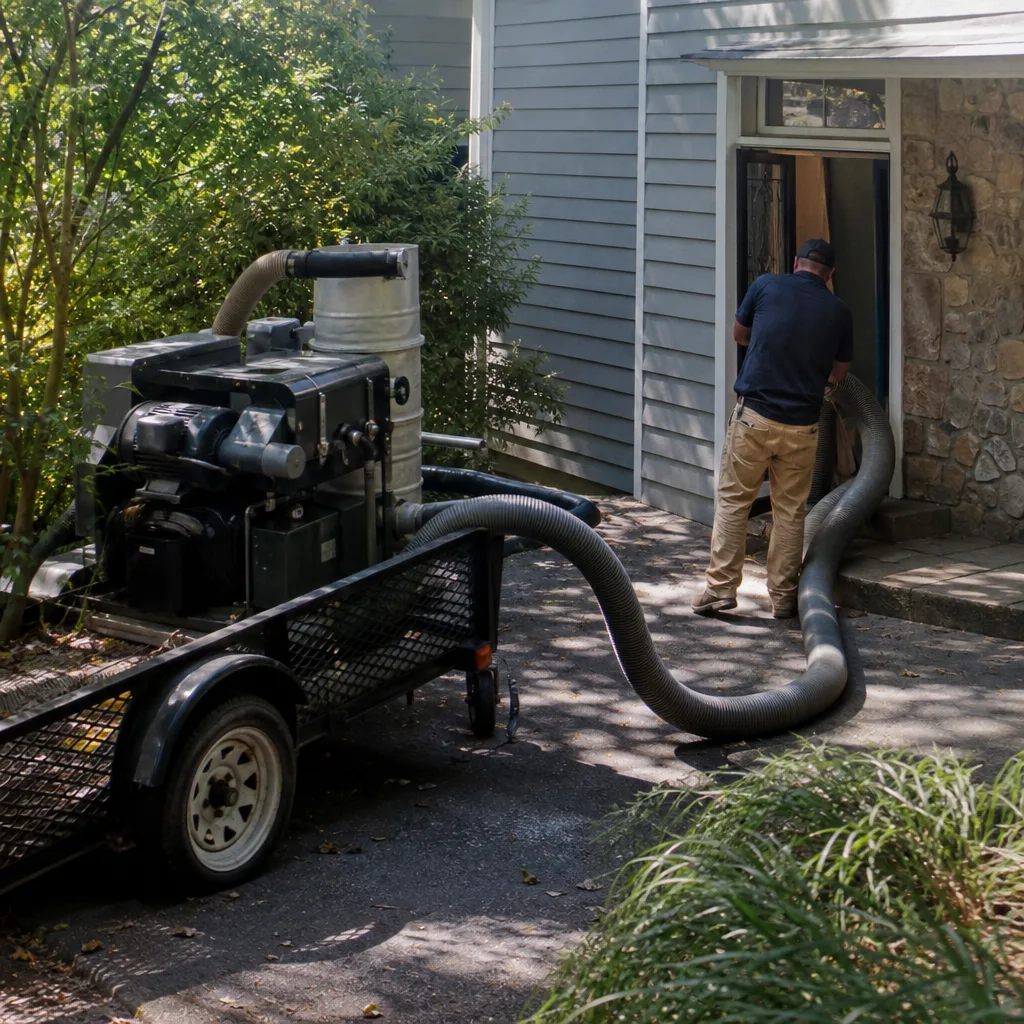
The $79-$149 coupon model is designed for upsell, not service completion. The technician arrives, identifies “additional problems,” and the final invoice reaches or exceeds honest upfront pricing. These operators typically use shop vacuums or consumer-grade equipment rather than professional negative-pressure systems like Rotobrush or Abatement Technologies units. CleanRun’s price is the price - Haven Standard Clause 1, no exceptions.
Demand a documented photo record of every duct run, before and after, delivered as part of the standard job record. CleanRun has provided this on every job since 2013. Without photographic evidence, you’re trusting a verbal report. With it, you can verify that debris was removed, not just disturbed.
For most Sandy Springs homes with proper filtration, every 5-7 years is adequate. Homes with pets, recent construction, or occupants with respiratory conditions may benefit from 3-5 year intervals. More frequent cleaning is rarely justified unless a specific event - water intrusion, vermin activity, major renovation - has occurred. The best indicator is baseline documentation: compare current condition to your dated photos.
Consumer-grade equipment cannot achieve negative pressure sufficient to extract adhered debris from duct surfaces. Attempting to clean ducts with a household vacuum risks damaging flex duct, dislodging connections, or disturbing microbial growth without containment. For register surfaces and grilles, yes - routine cleaning is homeowner maintenance. For the duct system itself, professional equipment and containment protocol are required for effective and safe results - see our DIY vs Professional Air Duct Cleaning guide for a detailed comparison.
Sandy Springs’ specific combination of high pollen, river-valley humidity, and mixed housing age creates distinct stress patterns, not necessarily worse but different. Older homes in lower elevations near the Chattahoochee face condensation and corrosion issues newer intown construction doesn’t. Rapidly developed areas with ongoing construction face elevated particulate load. The key is matching service to actual condition, not calendar schedule or neighborhood generalization.
The Bottom Line
Most warning sign lists are written to make you anxious. This one is written to make you accurate. Dust on supply registers is normal. Dust on returns with a clean filter is not. Fuzzy growth requires lab confirmation before any work proceeds. Vermin evidence changes the entire scope of service. Weak airflow is usually structural, not contamination. And every evaluation should produce documented evidence - photos, pressure readings, written scope - before any price is discussed.
The homeowners who get the best outcomes are those who create baseline documentation, understand the three-tier severity scale, and select providers based on verifiable process rather than urgency or coupon pricing. For more guides & resources on maintaining healthy indoor air, explore our blog. In Sandy Springs, that means asking whether the technician will photograph every run, whether the price is written and fixed before work starts, and whether the equipment - Rotobrush, Nikro, Abatement Technologies, or equivalent - can be independently verified.
CleanRun Air Duct Cleaning Sandy Springs has operated under these principles since 2013: written price first, documented photo record always, 365-Day Done Right Promise in writing on every job. No urgency theatre. No surprise invoices. Evidence before persuasion.
Written by Tomas Reyes, Owner at CleanRun Air Duct Cleaning Sandy Springs, serving Sandy Springs since 2013.