
Last updated September 23, 2026
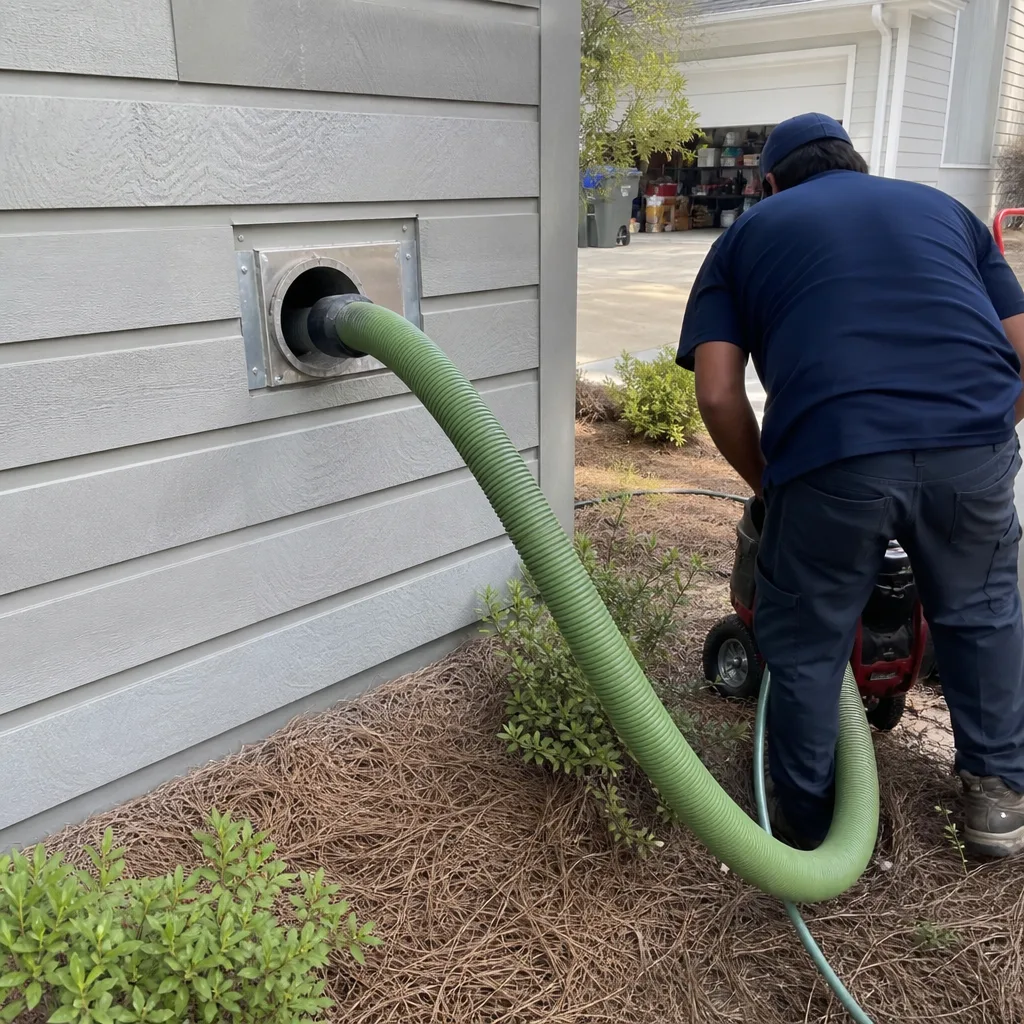
Whole-system duct and dryer vent check with before-and-after photos - you see exactly what came out of your vents
That "$99 whole-house special" is a bait ad - the real number appears once they are in your hallway, or the "clean" is a shop-vac at the register. We photograph the inside of your ducts before and after instead.
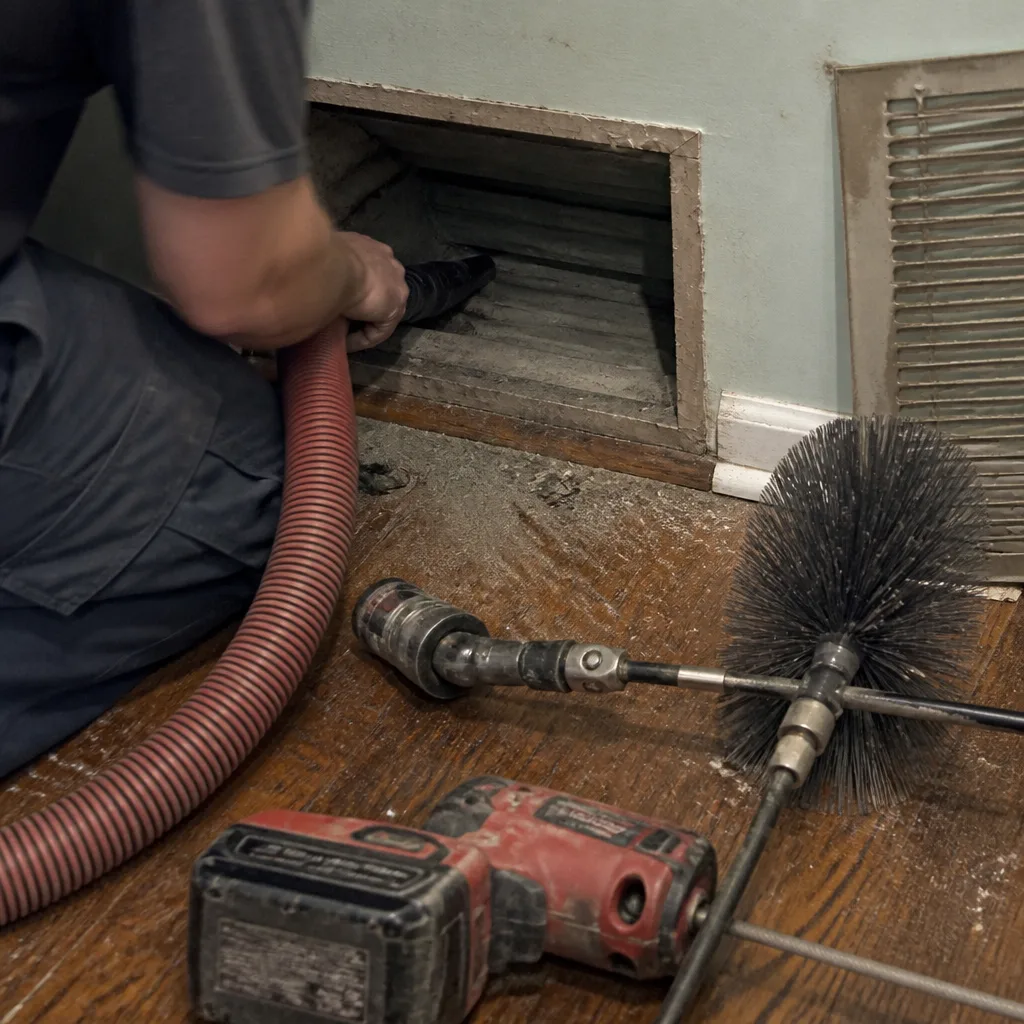 Before
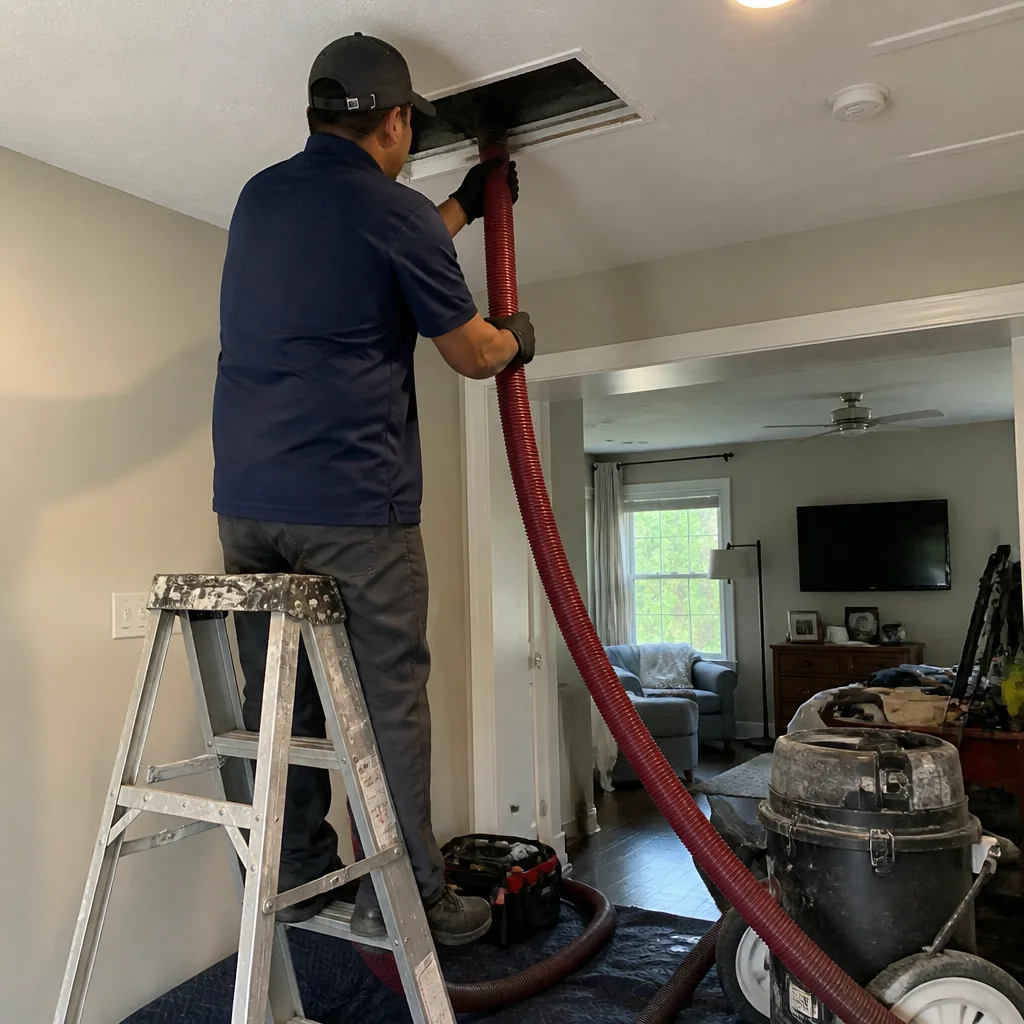 After
After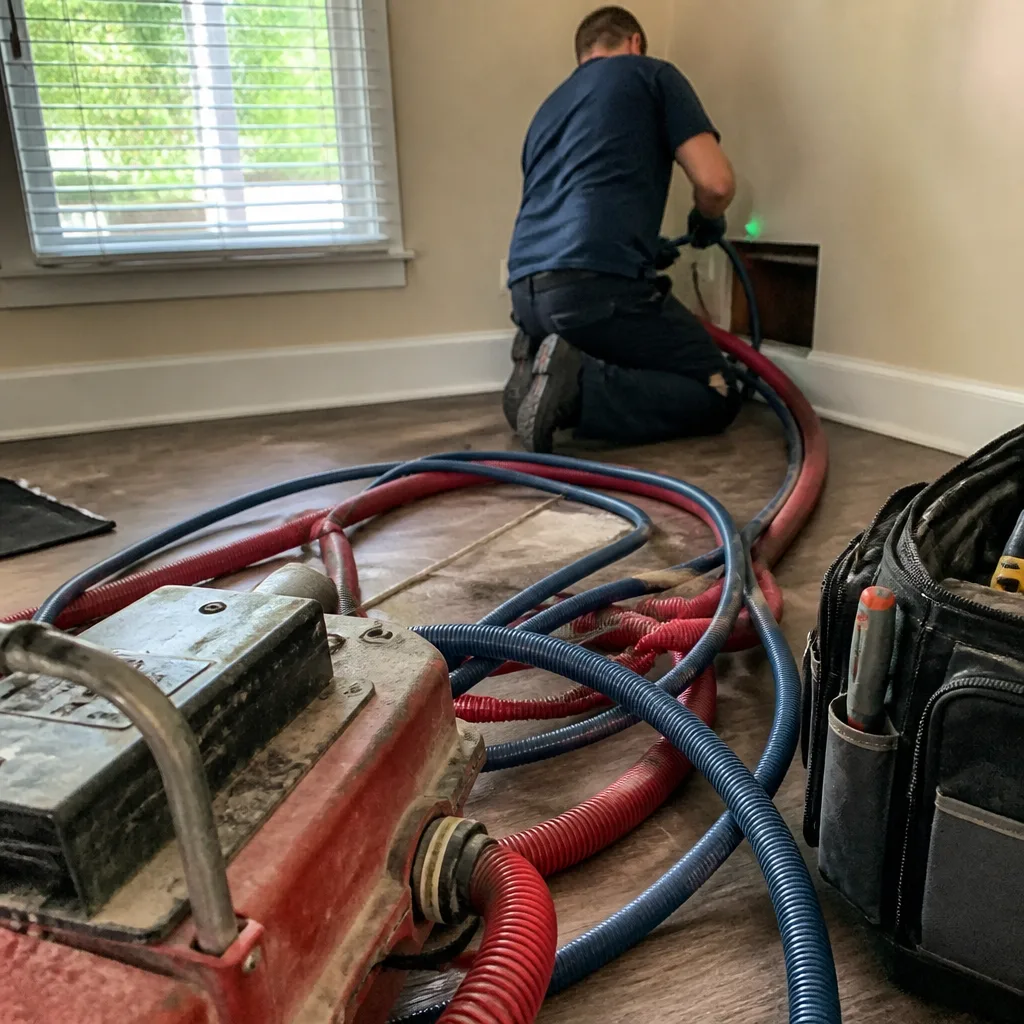 Before
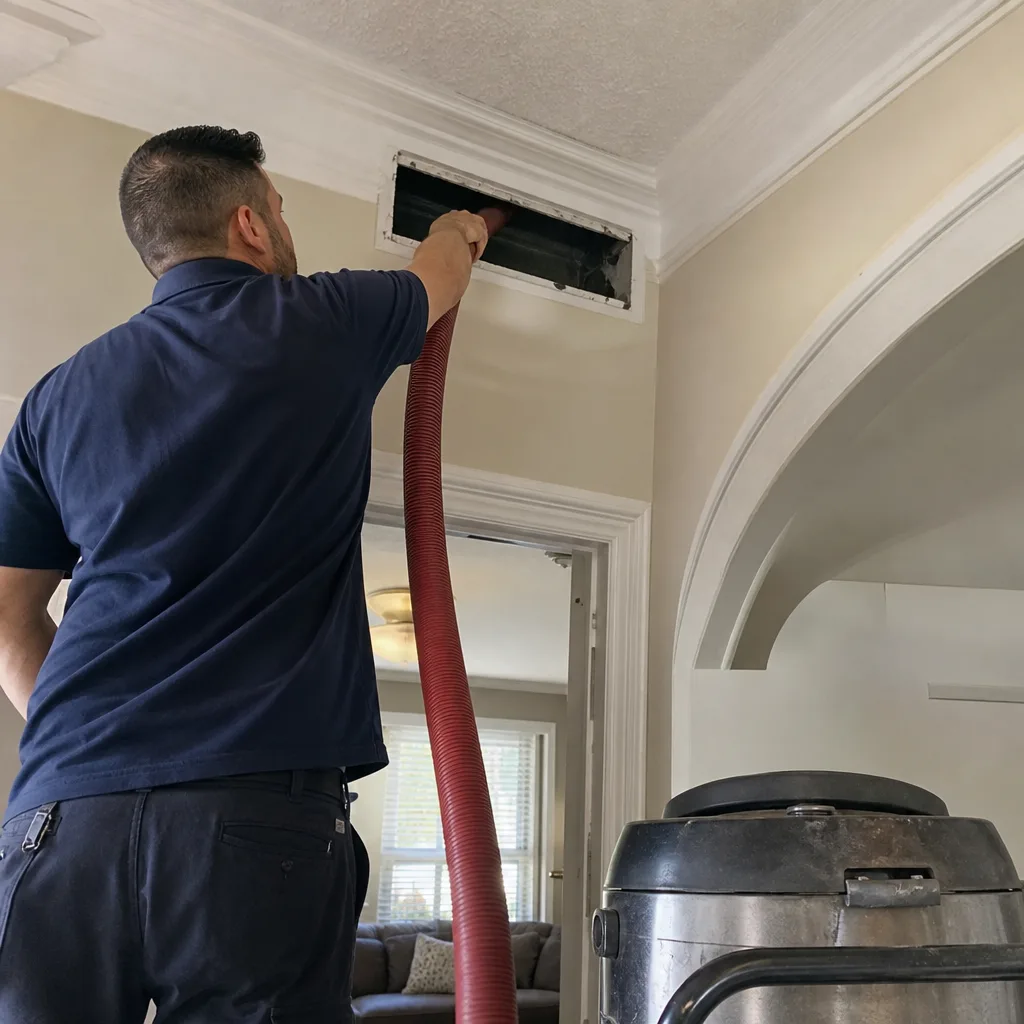 After
After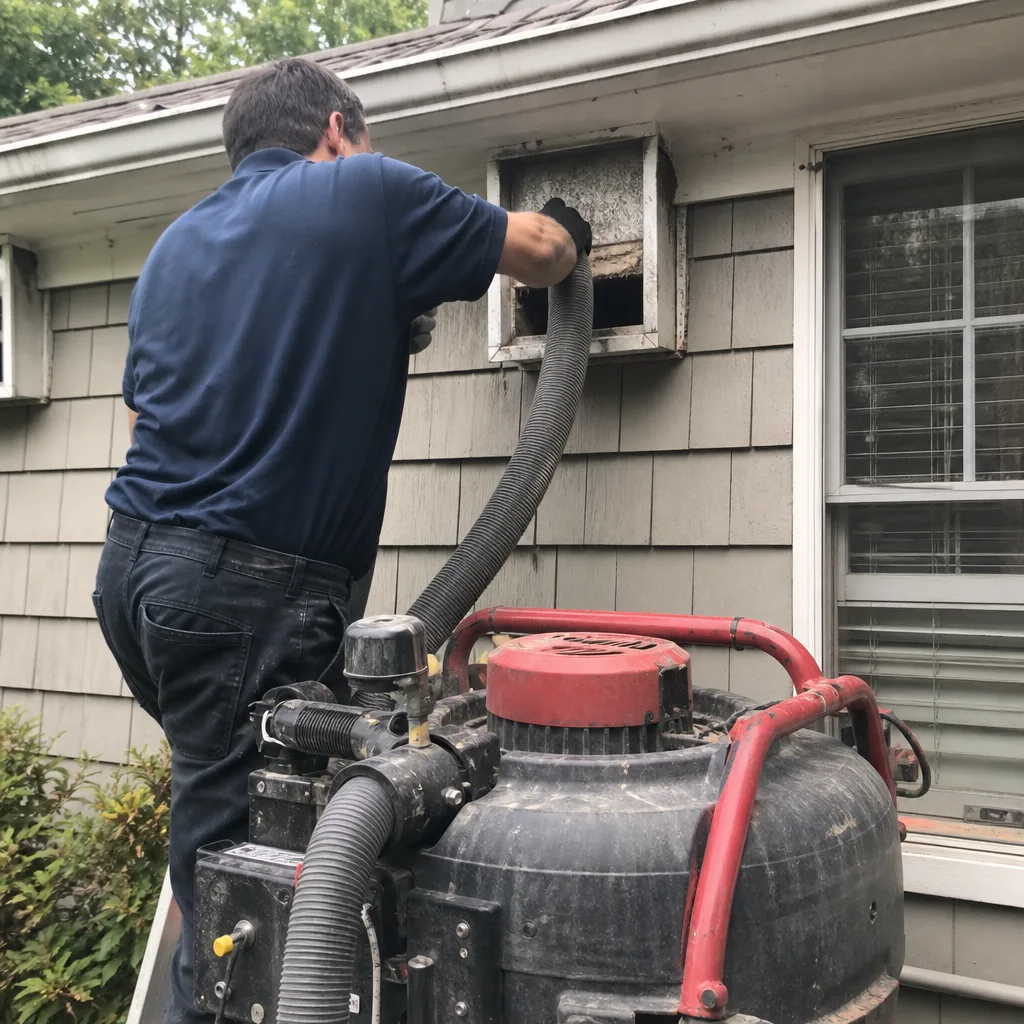 Before
 After
AfterAir Duct Cleaning Cost Breakdown: The Sandy Springs Homeowner’s Reference for 2026
Here’s the uncomfortable truth about air duct cleaning quotes in Sandy Springs: the $79 coupon and the $495 flat rate often describe nearly the same job. The difference isn’t the work. It’s whether the company plans to renegotiate the price after they’ve pulled into your driveway. In 2026, a legitimately scoped cleaning for a typical 2,000-2,500 square foot home in Sandy Springs runs between $350 and $550 for standard residential systems. If your quote sits dramatically below that range, something in the scope is missing. This guide-and our Air Duct Cleaning Maintenance Checklist for Sandy Springs Homeowners-reverse-engineers what jobs actually cost by documenting the real inputs, so you can identify which quotes are real and which are the opening bid in a negotiation you didn’t agree to join.
Quick Answer
For a typical Sandy Springs home between 2,000 and 2,500 square feet, professional air duct cleaning in 2026 costs $350 to $550 for a complete residential system using source-removal methods. Prices below $300 generally indicate a shop-vacuum surface clean without negative-pressure extraction, while quotes above $700 often bundle unnecessary sanitizing treatments or reflect complex access issues like crawl space ductwork in older Dunwoody Club-area homes.
Table of Contents
- What Determines the Price of Air Duct Cleaning in Sandy Springs
- Cost Per Component: The Line-Item Breakdown Most Companies Won’t Show You
- How Home Age, Duct Material, and System Configuration Affect Price
- NADCA-Standard Source Removal vs. Shop-Vac Methods: The Real Cost Difference
- The Seven Most Common On-Site Upsells (and What Each Actually Costs)
- What a Written Scope of Work Must Include to Be Enforceable
- The Sandy Springs Market: Climate, Codes, and Neighborhood Variations
- How to Choose a Provider Based on Documentation, Not Promises
BeforeAfterWhat Determines the Price of Air Duct Cleaning in Sandy Springs
Air duct cleaning is not a commodity. Two homes of identical square footage can produce quotes $200 apart for legitimate reasons, or for reasons that have nothing to do with the actual work. Understanding which is which starts with the components that genuinely drive cost.
System size and duct run count. A “duct run” is an individual branch line carrying conditioned air from the main trunk to a register. Most Sandy Springs homes built between 1995 and 2015 have 12 to 18 supply runs and 3 to 5 return runs. Each run requires independent access, agitation, and extraction time. A home with 22 supply runs in Riverside’s larger new construction takes proportionally longer than a 1970s ranch in North Springs with 8 runs.
Access difficulty. Ductwork in conditioned basements is straightforward. Ductwork in a Sandy Springs crawl space with 18 inches of clearance, or buried in spray-foam insulation in a 2021 renovation near Morgan Falls, adds labor hours. Technicians working with Abatement Technologies portable HEPA extractors in tight spaces move slower. That’s not an upsell. It’s physics.
Contamination level. A system with routine dust accumulation cleans faster than one with substantial debris buildup at the plenum (the central distribution box connecting your air handler to the duct network), or with construction debris from a recent renovation still lodged in the trunk. We’ve photographed 4-inch debris dams at first elbows in homes near the Chattahoochee River where humidity has bonded dust to duct walls over years without filtration upgrades.
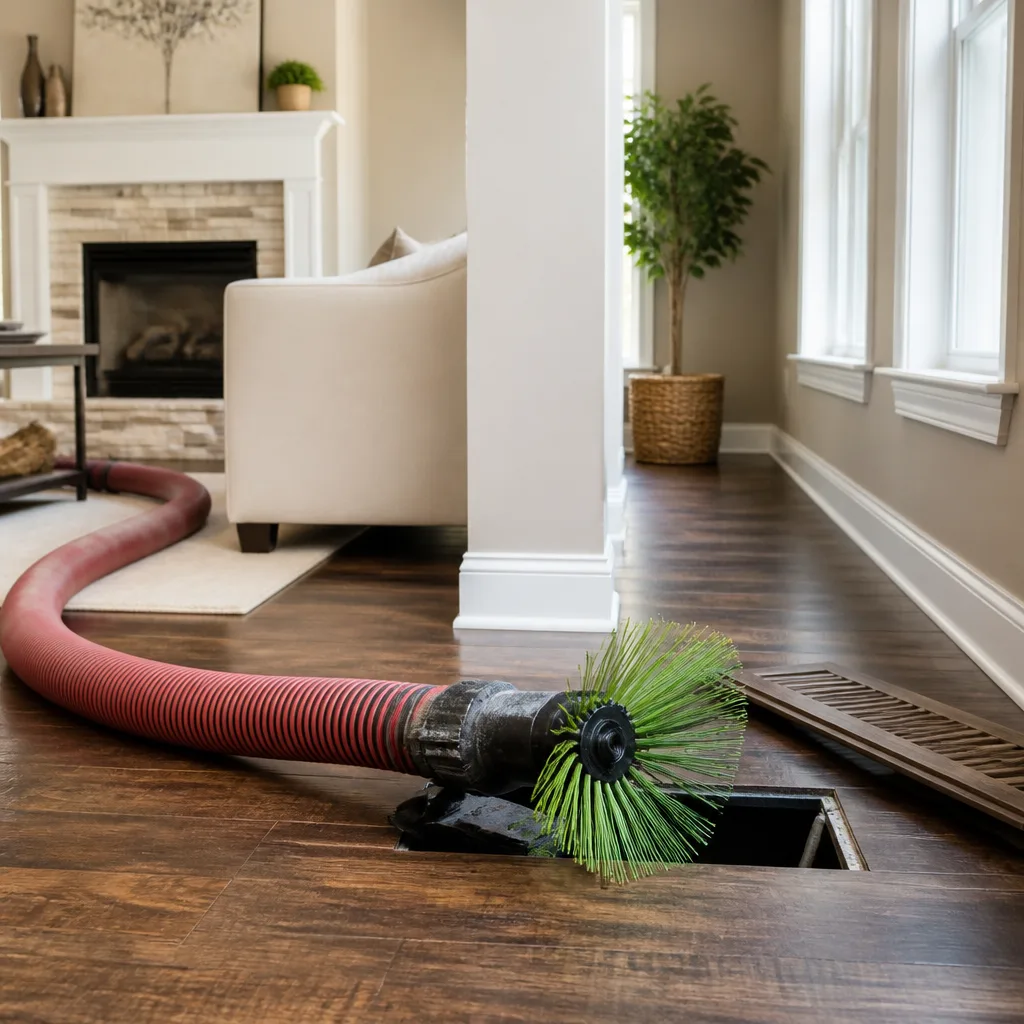
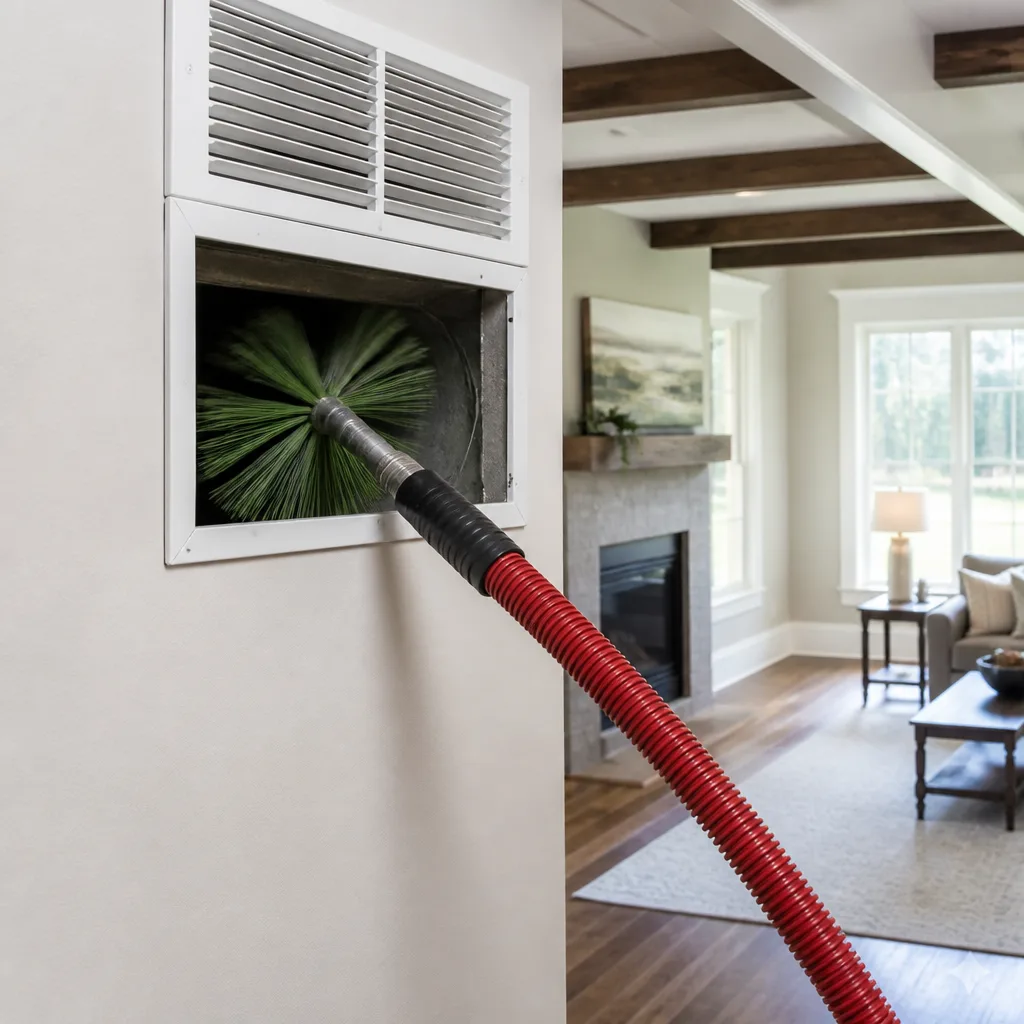
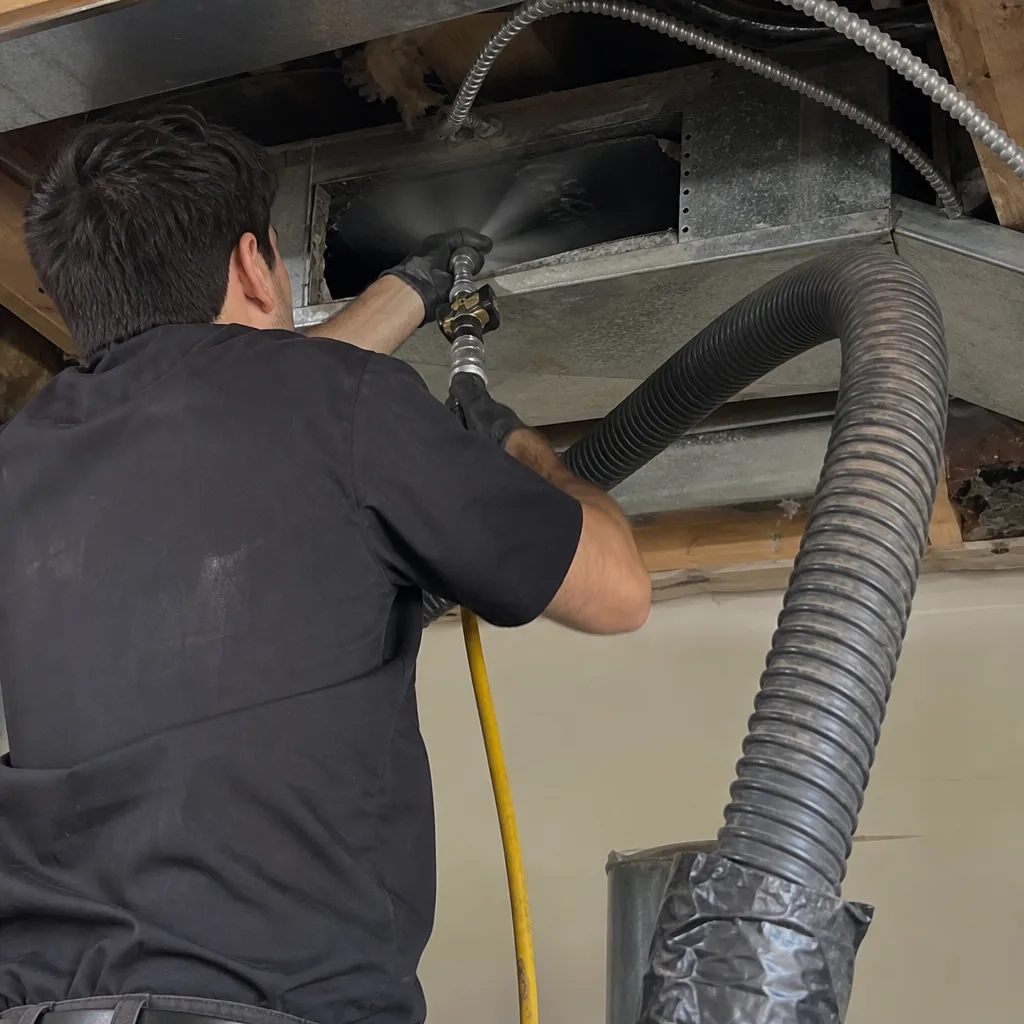
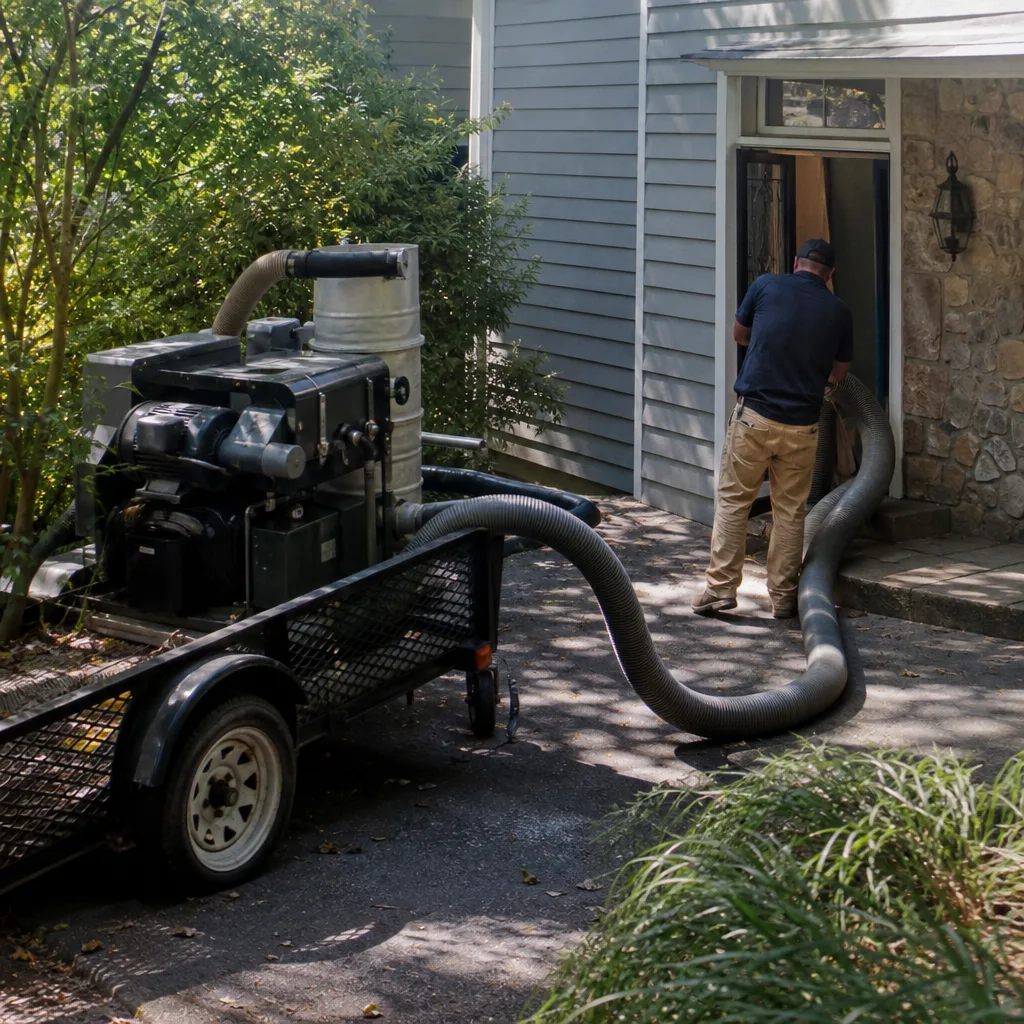
Equipment class. Negative-pressure extraction systems from Nikro or Rotobrush, combined with powered agitation brushes and HEPA filtration, cost more per hour to operate than a shop vacuum with a long hose. The price difference shows up in the quote, or it shows up in what’s actually delivered.
Here’s what doesn’t legitimately affect price: how many vents you can see from the living room. Companies quoting “per vent” are structuring their pricing for upsell flexibility, not for accuracy.
Cost Per Component: The Line-Item Breakdown Most Companies Won’t Show You
Flat-rate pricing doesn’t mean mystery pricing. At CleanRun, every written quote itemizes the components being cleaned. Here’s what each costs in the Sandy Springs market for 2026, based on standard residential access and moderate contamination levels:
| Component | Description | Market Rate Range (Sandy Springs 2026) |
|---|---|---|
| Supply duct runs (each) | Individual branches from trunk to room registers, typically 6-8 inch diameter | $15 - $25 |
| Return duct runs (each) | Larger diameter branches pulling air back to air handler, often 10-14 inch | $20 - $35 |
| Main supply trunk | Primary distribution line running from plenum, often in basement or crawl space | $75 - $125 |
| Main return trunk | Primary collection line, frequently larger and more accessible | $60 - $100 |
| Plenum (supply and return) | Sheet metal boxes connecting air handler to trunk lines; critical junction point | $50 - $85 |
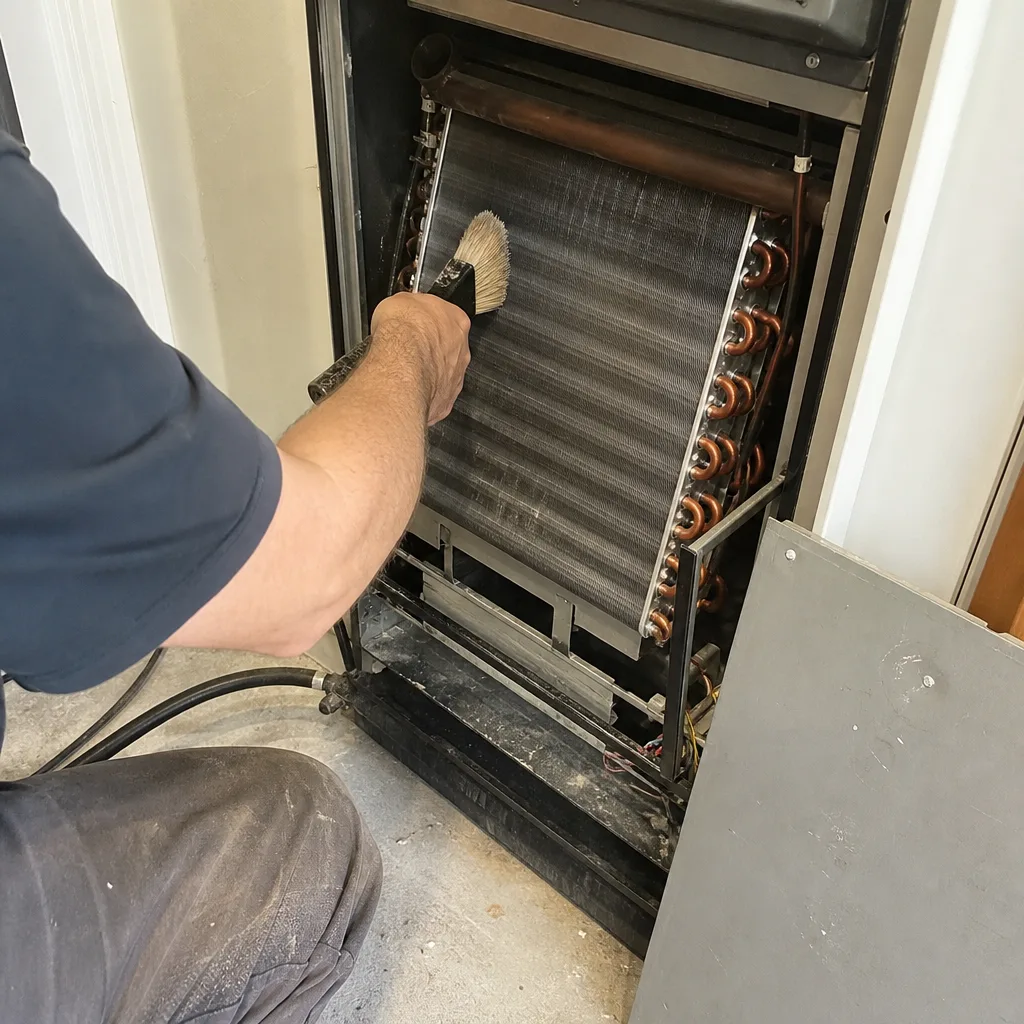
| Air handler / furnace cabinet | Blower assembly, evaporator coil access, filter rack; interior surfaces only | $85 - $140 |
| Registers / grilles (each) | Removable covers at wall/floor/ceiling; cleaned and reinstalled | $5 - $10 |
| Full system flat rate (typical 14-supply, 4-return home) | Complete residential cleaning with negative-pressure extraction | $350 - $550 |
A few notes on reading this table. The per-component rates above assume the work is done as part of a complete system cleaning. Standalone component cleaning, or partial systems, don’t always prorate cleanly because mobilization and setup costs are fixed. A “just the returns” job still requires the crew, the truck, and the HEPA extraction unit from Abatement Technologies to reach your driveway.
The flat-rate range at bottom represents what most Sandy Springs homeowners actually pay for a thorough job. If you’re quoted $180 for a complete system, ask which components are excluded. The answer is usually “the ones that take time.”
How Home Age, Duct Material, and System Configuration Affect Price
Sandy Springs housing stock spans from 1960s ranches to 2020s teardown rebuilds near Hammond Park. The ductwork in these homes differs materially, and those differences translate directly to cleaning complexity and cost.
Flex duct (common 1985-2010). Flexible duct, the ribbed silver tubing found in attics throughout the Spalding Woods and High Point areas, requires gentler agitation. Powered brushes can tear the inner liner if misapplied. Cleaning flex duct takes longer per run with lower-RPM equipment, adding 15-25% to labor time. For a home with 14 supply runs, that typically adds $50-$85 to the total.
Rigid sheet metal (pre-1985 and high-end new construction). The original ductwork in Sandy Springs’ older neighborhoods and the custom builds near the Country Club of the South tolerates aggressive agitation and higher vacuum pressure. These systems clean faster and more thoroughly, often at the lower end of our price range. The tradeoff is access: metal trunks in unconditioned attics may have degraded insulation that needs handling care.
Fiberboard duct (1980s-1990s, some commercial conversions). Porous fiberboard, occasionally found in townhome developments near Perimeter Center, presents a unique case. The material itself can harbor contamination in its structure. Source removal cleaning is still effective for loose debris, but homeowners should understand that fiberboard cannot be restored to “like new” condition. Quotes for these systems should reflect honest scope limitations, not inflated restoration promises.
System configuration factors that add cost:
- Zoned systems with multiple dampers: each zone requires independent isolation and access, adding $40-$75
- Multiple air handlers (common in homes over 4,000 sq ft): each additional unit is essentially a separate system, typically $280-$450 per handler
- Ductwork in encapsulated crawl spaces: access restrictions add 30-45 minutes, $60-$95
- Post-renovation cleaning with construction debris: heavy particulate loads add 20-40% to extraction time
We’ve documented cases in the Hillside neighborhood where a 2019 kitchen renovation left drywall dust in the return trunk that tripled the extraction time versus a standard residential clean. The homeowner’s written quote reflected this before work began, not after the crew arrived.
NADCA-Standard Source Removal vs. Shop-Vac Methods: The Real Cost Difference
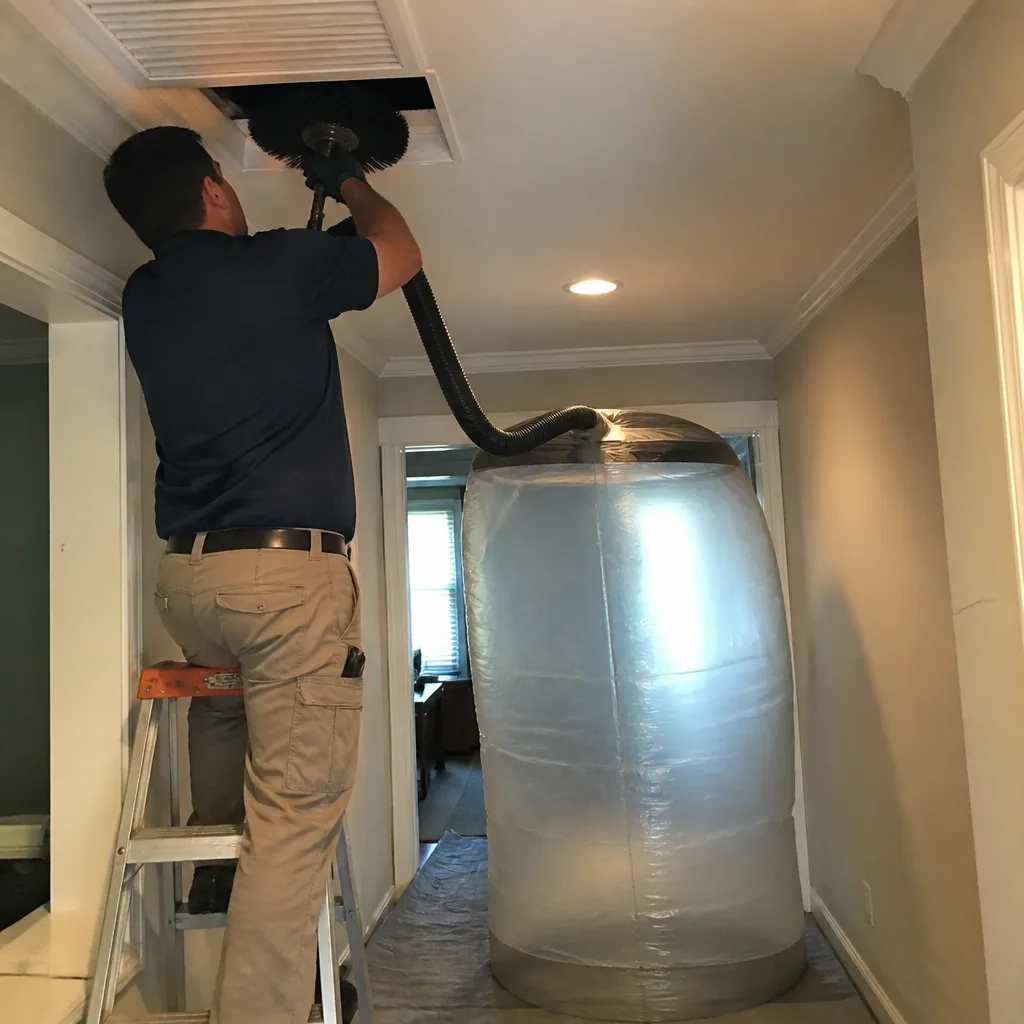
The National Air Duct Cleaners Association (NADCA) standard for source removal, ACR 2021, specifies negative-pressure containment, mechanical agitation, and HEPA filtration. Most Sandy Springs homeowners have never seen this done correctly, which makes the shop-vac alternative easy to sell and hard to distinguish.
Here’s the documented difference:
Time on job. A NADCA-standard cleaning for a 14-supply, 4-return system with one air handler takes 3.5 to 5.5 hours with a two-person crew using Rotobrush or Nikro negative-pressure systems. A shop-vacuum surface clean, where a technician inserts a hose into each register without trunk access or powered agitation, takes 45 to 90 minutes. The labor cost alone explains much of the price gap between $180 and $450.
What’s actually removed. Source removal with powered agitation dislodges debris adhered to duct walls, then extracts it under contained negative pressure. The shop-vac method removes loose material near the register opening and leaves the rest. We’ve photographed ducts after shop-vac “cleaning” that showed untouched debris 18 inches past the register boot.
Contamination control. NADCA-standard negative-pressure systems, like those from Abatement Technologies, maintain the duct system under vacuum during agitation, preventing debris from escaping into living spaces. A shop vacuum blowing unfiltered air through your ductwork can redistribute fine particulate. In Sandy Springs’ humid summers, that redistributed organic material can support microbial growth.
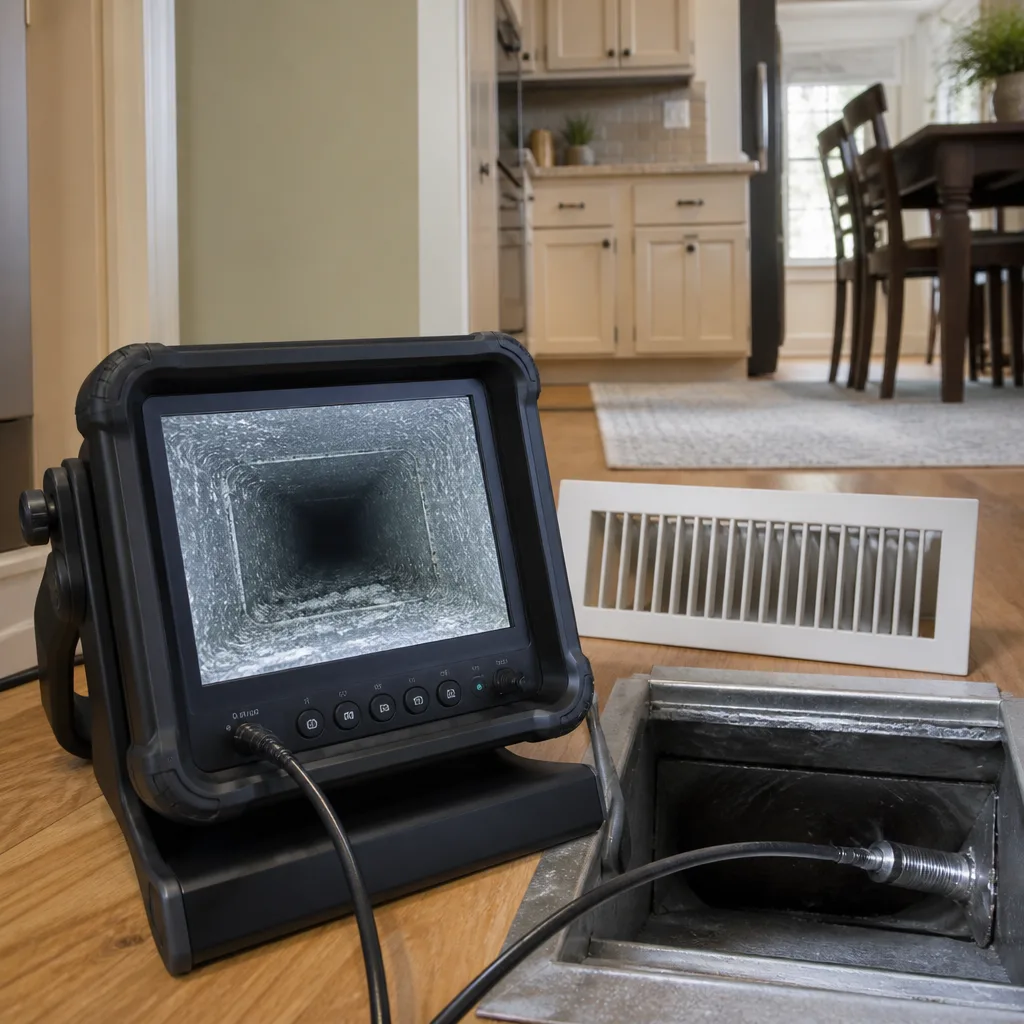
Documentation. The NADCA standard requires before-and-after documentation. At CleanRun, this means a photo record of every duct run, delivered as a standard job deliverable. Shop-vac operators rarely produce documentation because there’s little to show.
The price difference between these methods, in 2026 Sandy Springs terms, is roughly $200 to $350 for a typical home. That’s not markup. It’s the cost of doing the work that was actually quoted.
The Seven Most Common On-Site Upsells (and What Each Actually Costs)
The $79 coupon model depends on on-site price escalation. The technician arrives, inspects, and discovers “additional problems” that raise the final invoice to $400 or more. Here are the seven most common escalations, with their legitimate cost when actually needed versus their typical use as margin add-ons.
- “Your ducts need sanitizing” ($150-$300 add-on). Legitimate use: documented microbial growth after water intrusion, verified with photo evidence, treated with EPA-registered products like those from Guardsman. Typical use: sprayed automatically on every job as a “finishing step” with no pre-existing condition. A 2024 Sandy Springs job we reviewed had $189 in sanitizing charges for a system with no visible growth and no moisture history.
- “The main trunk isn’t included in the basic package” ($100-$200). Legitimate use: complex trunk access requiring additional labor. Typical use: the “basic package” was never defined to exclude the trunk, but the technician claims it was. The trunk is the central distribution element. Excluding it from “duct cleaning” is like selling brake service without the pads.
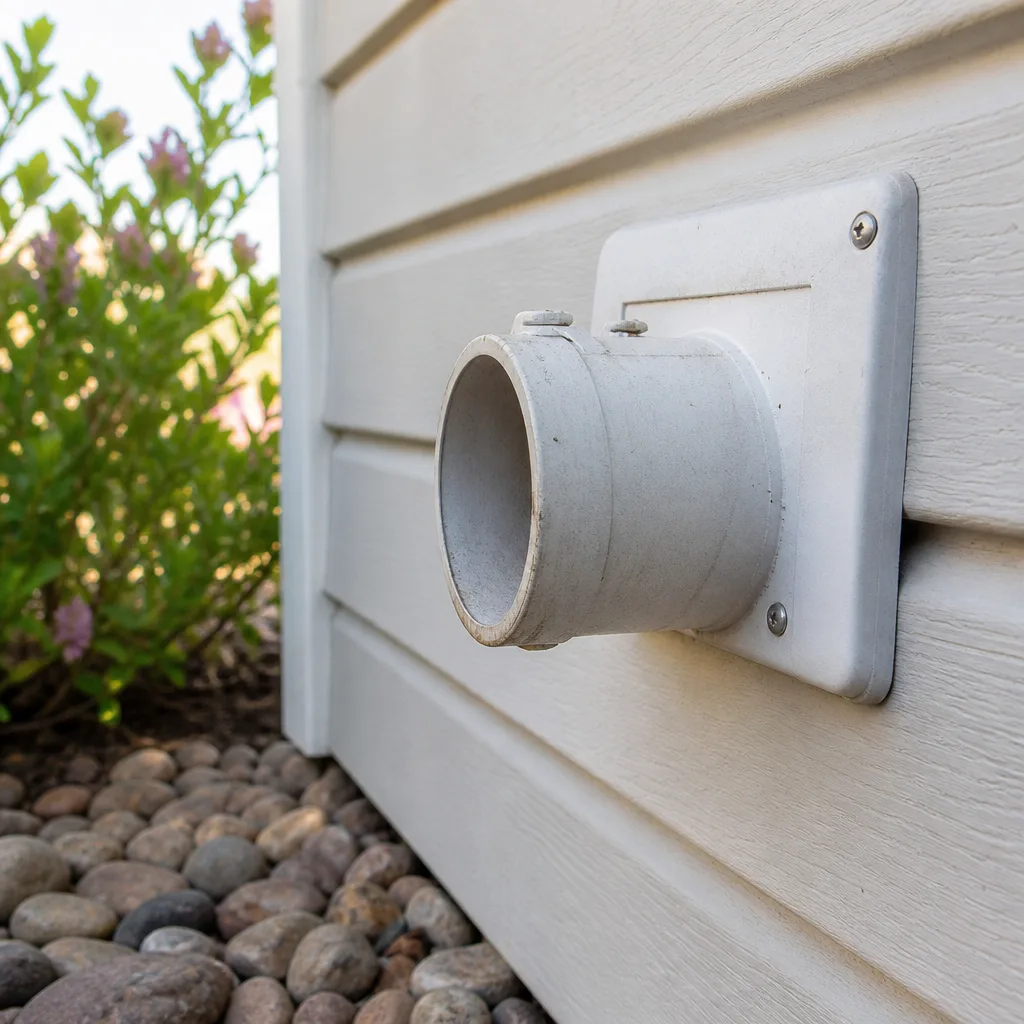
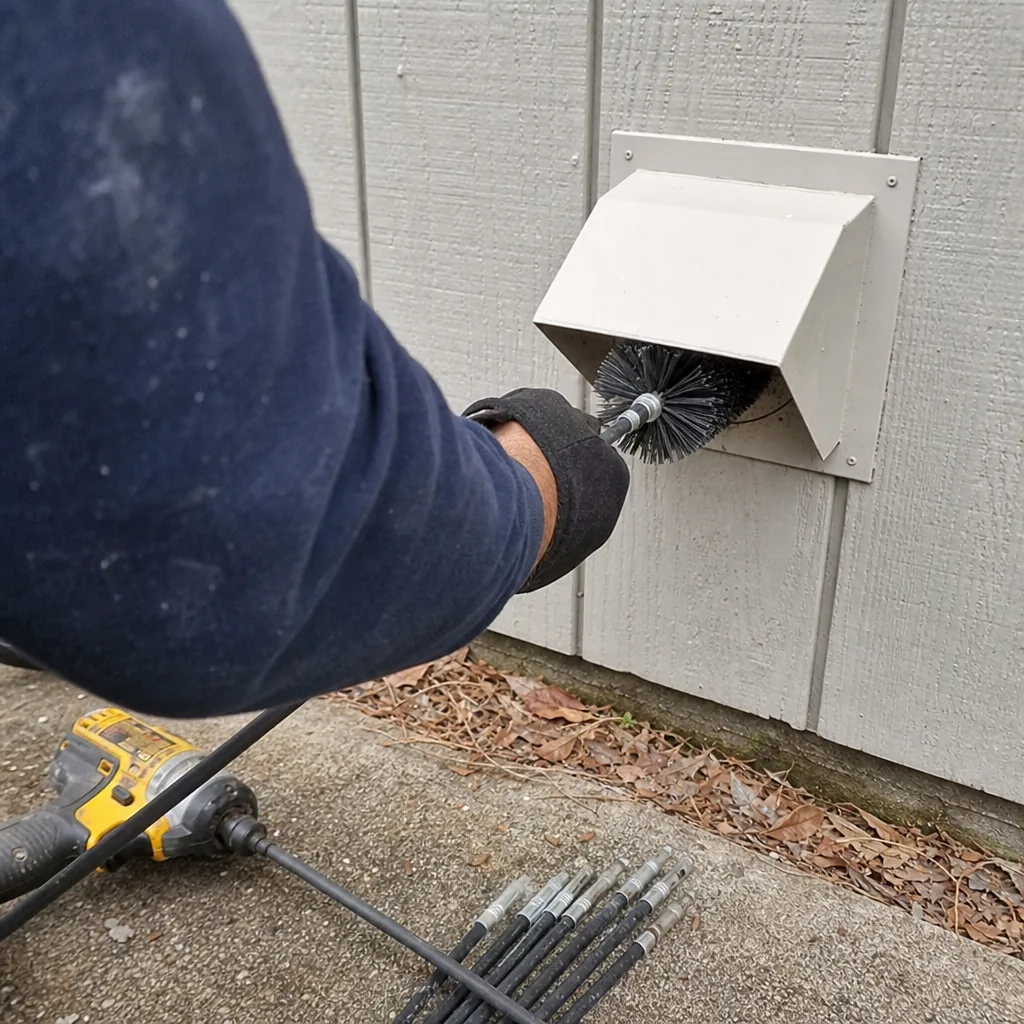
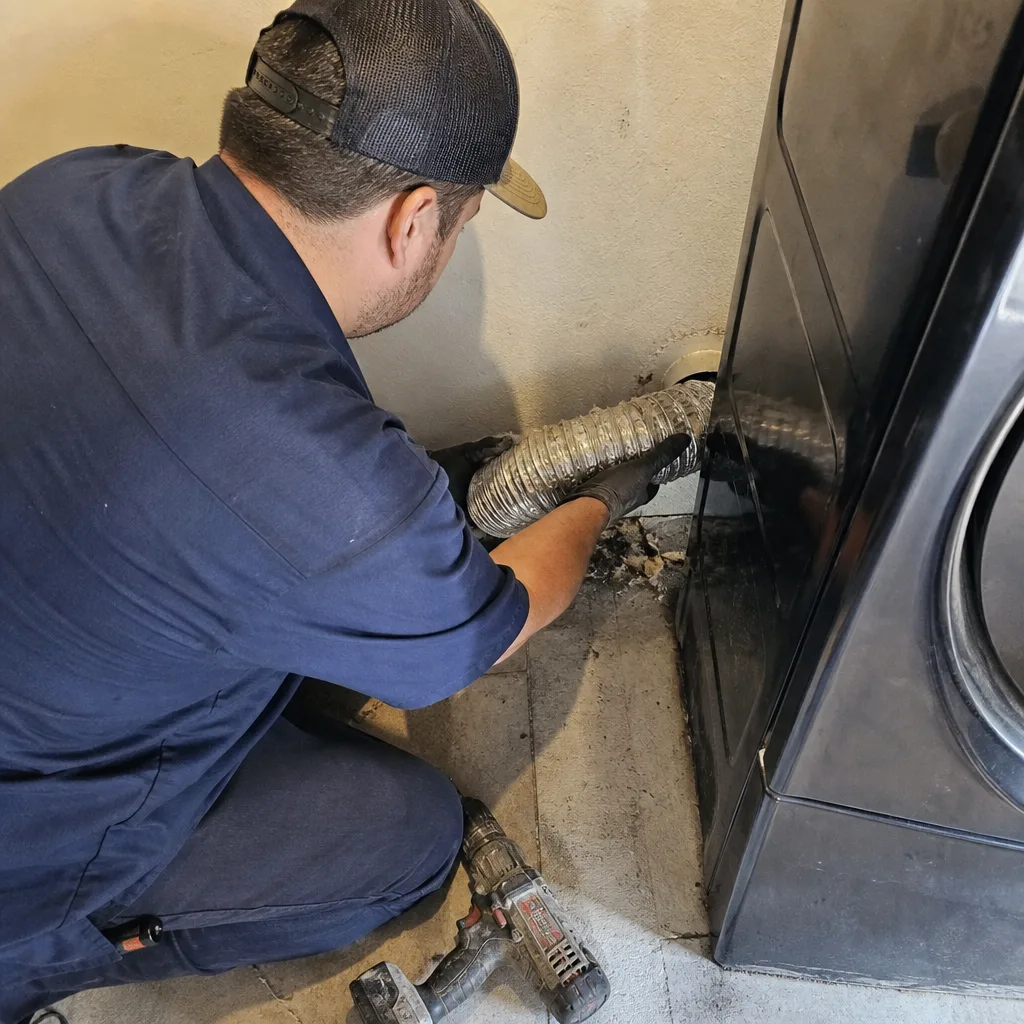
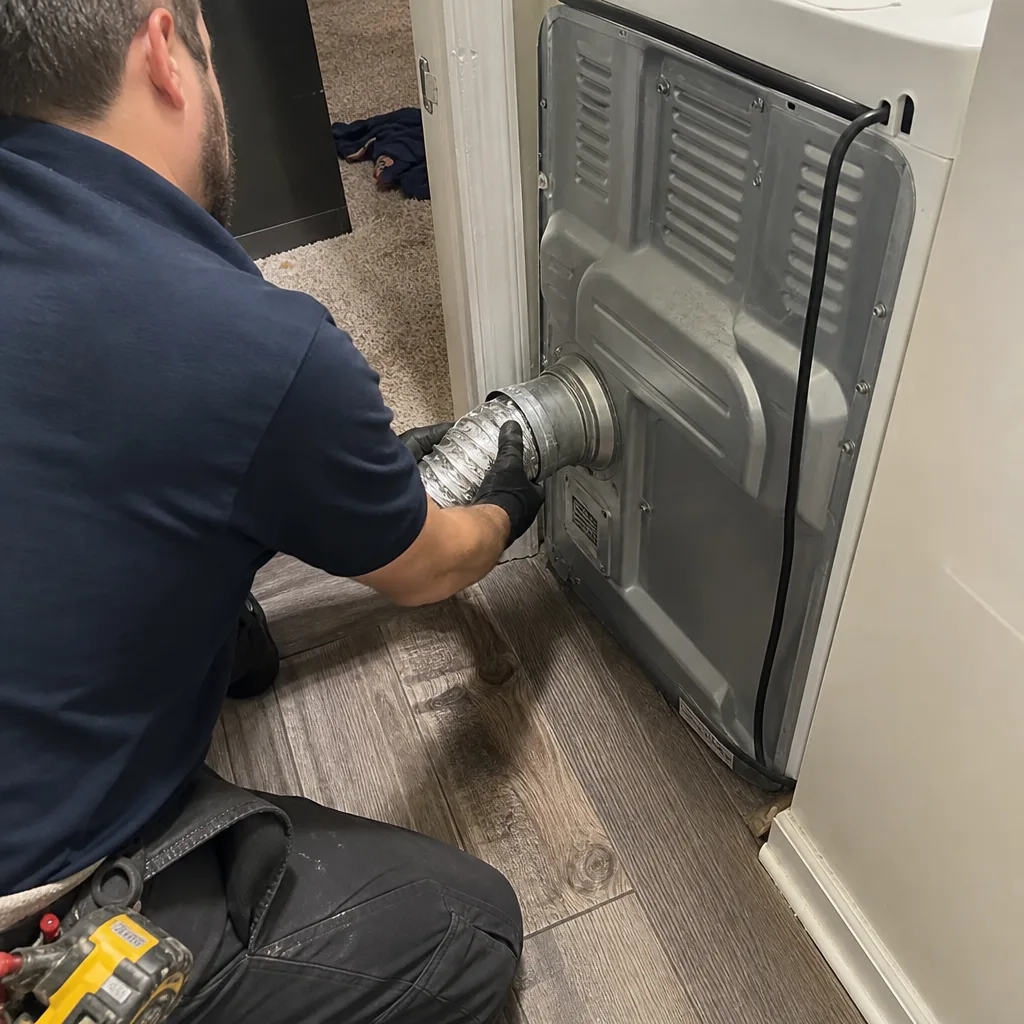
- “Your dryer vent is a fire hazard” ($100-$250). Legitimate use: measurable lint accumulation restricting airflow below 12 MPH exit velocity, or visible blockage. Typical use: every dryer vent is declared hazardous because the company also sells Dryer Vent Cleaning in Sandy Springs. We do dryer vent cleaning. We also measure airflow before recommending it.
- “You need a new filter upgrade” ($40-$120). Legitimate use: homeowner requests higher MERV filtration, or existing filter is incorrect size/type. Typical use: technician installs own-supplied filter at 200% retail markup without showing the homeowner the existing filter’s condition.
- “The return side is extra” ($75-$150). Legitimate use: unusually complex return access, such as sheetrocked-over returns in a 1970s renovation. Typical use: the original quote ambiguously referred to “vents” without specifying supply and return, allowing the technician to claim returns were never included.
- “Your coils are dirty and restricting airflow” ($150-$350). Legitimate use: visual inspection shows measurable debris on evaporator coils, confirmed with photo documentation, affecting system performance. Typical use: coils are “recommended for cleaning” on every system over 3 years old, with no visual evidence provided. CleanRun includes coil inspection in our standard HVAC Cleaning in Sandy Springs scope, with photo documentation of what we find.
- “We found mold” ($300-$800+ for “remediation”). Legitimate use: laboratory-confirmed microbial growth requiring containment and removal per EPA guidelines. Typical use: dark dust or debris is labeled “mold” without testing, triggering expensive and unnecessary treatments. In Georgia, mold remediation requires specific licensing. Ask for the license number and the lab report.
The pattern across all seven: legitimate needs exist, but they’re verifiable. Photo documentation, measurable data, and written scope definitions separate real recommendations from scripted upsells.
What a Written Scope of Work Must Include to Be Enforceable
Haven Standard Clause 1 requires a written price before any work starts. But a price without a scope is just a number. Here’s what the written document must specify to be meaningful:
- Exact components included. “All ductwork” is insufficient. The scope should list: number of supply runs, number of return runs, main trunk lines, plenums, air handler interior, registers/grilles. If something’s excluded, it should be named.
- Method statement. “Professional cleaning” means nothing. The scope should specify negative-pressure extraction, powered mechanical agitation, HEPA filtration, and containment protocols. Equipment brands can be named; we’ve used Rotobrush, Nikro, and Abatement Technologies systems on Sandy Springs jobs, and we specify which applies.
- Access requirements. Will technicians need attic entry? Crawl space access? Removal of stored items? Who is responsible for providing access?
- Deliverables. What documentation does the homeowner receive? At CleanRun, this is the Documented Photo Record of every duct run, included as a standard deliverable on every job since 2013.
- Price and payment terms. Total price, payment schedule, and conditions for any additional charges. Additional charges should require homeowner authorization in writing, not verbal agreement with a technician.
- Warranty terms. What happens if the work is not satisfactory? CleanRun’s 365-Day Done Right Promise, backed in writing on every job, specifies that we make it right if it’s not done right. Not “call the office,” not “manager review.” A written commitment.
A scope missing any of these elements creates ambiguity. Ambiguity is where price increases live. In Sandy Springs’ competitive market, we’ve reviewed competitor quotes with no method statement, no component list, and warranty language limited to “satisfaction guaranteed.” That’s not a scope. It’s a blank check.
The Sandy Springs Market: Climate, Codes, and Neighborhood Variations
Local conditions affect both duct contamination patterns and cleaning complexity. Sandy Springs sits at the intersection of Georgia’s humid subtropical climate, aging infrastructure, and rapid redevelopment. Each factor shows up in the ductwork.
Humidity and microbial pressure. Sandy Springs averages 50+ inches of annual rainfall and summer relative humidity routinely above 75%. Duct systems with poor sealing or inadequate insulation develop condensation points, particularly in attic runs. We’ve photographed supply boots with chronic moisture staining in homes near the Chattahoochee River corridor, where elevation changes create pressure differentials that draw humid attic air into the system. These conditions don’t always require sanitizing, but they do require honest assessment and, often, sealing work that should be quoted separately from cleaning.
Code and permit context. Air Duct Cleaning Permits, Codes & Inspections in GA: What You Need to Know explains why Fulton County building codes require duct sealing and insulation meeting current energy standards for new construction and substantial renovations. Older homes in the Dunwoody Club and North Springs areas may have unsealed ductwork that leaks 20-30% of conditioned air. Cleaning these systems without addressing leakage is temporary. CleanRun’s duct repair and sealing services address this, but we separate cleaning from sealing in our quotes so homeowners understand what each costs.
Neighborhood-specific patterns:
- Riverside and newer construction (2015-2025): Tighter building envelopes, flex duct in conditioned attics, generally lower contamination but higher sensitivity to construction debris from finish-out. Typical cleaning cost: $350-$450.
- Spalding Woods and 1980s-1990s subdivisions: Mixed duct materials, flex duct in vented attics, higher dust loads from original low-efficiency filtration. Typical cleaning cost: $400-$525.
- North Springs and pre-1980 homes: Rigid metal duct, often uninsulated or poorly insulated, with decades of accumulation. Access challenges in crawl spaces and original construction. Typical cleaning cost: $450-$650, with sealing work often recommended as separate scope.
- Perimeter Center townhomes and condos: Shared systems, limited access, association coordination required. Highly variable; individual unit cleaning often impractical without full-system scope.
These ranges reflect what we’ve documented across 52,000+ homes since 2013, including thousands in the Sandy Springs market.
How to Choose a Provider Based on Documentation, Not Promises
The homeowners who get the best outcomes don’t choose based on the lowest quote or the longest company history. They choose based on what a company can produce before any work begins.
Ask for a written scope before scheduling. Not a phone estimate. Not a “typical range.” A written scope with your address, your system configuration, and your specific price. Haven Standard Clause 1 exists because verbal estimates are unenforceable and frequently forgotten by the person who gave them.
Request equipment specifics. What brands does the company use? Can you look them up? Professional-grade equipment from Rotobrush, Nikro, Abatement Technologies, Honeywell, Aprilaire, or Guardsman is independently verifiable. “Commercial-grade equipment” is not.
Verify crew standards. Haven Standard Clause 3: Verified Crews. Background checks, uniformed technicians, name identification before arrival. Ask how the company verifies who’s entering your home. CleanRun publishes our license number and confirms technician identity before every appointment.
Demand documentation commitment. Will you receive before-and-after photos of every duct run? Is this included or extra? The Documented Photo Record is a standard deliverable at CleanRun, not an upsell. If a company won’t commit to documentation in writing, they’re not committing to accountability.
Use the Free Second Opinion. Bring a competitor’s written estimate to CleanRun. We’ll put our number next to it, with a fully itemized scope, at no cost. The comparison usually reveals more about the competitor’s quote than about ours.
Your CleanRun Air Duct Cleaning Sandy Springs home page has additional information on our full service range and standards.
Common Mistakes to Avoid
- Booking based on the lowest per-vent price. Per-vent pricing is structurally designed for upsells. The “vent” being counted may exclude returns, trunk lines, or the air handler. A low per-vent rate with a high final invoice is the industry’s standard playbook.
- Accepting verbal scope changes on the day of service. Any legitimate additional need can be documented and authorized in writing. Verbal authorizations given to a technician in your driveway are difficult to dispute and frequently inflated.
- Assuming all “certifications” are equal. NADCA membership and technician certification are verifiable through NADCA’s directory. Generic “certified” badges without named organizations are decorative. Ask for certification numbers and verify them.
- Ignoring duct material in quote comparisons. A quote for rigid metal ductwork cannot be directly compared to one for flex duct without adjusting for labor time. Companies that don’t ask about duct material aren’t scoping accurately.
- Neglecting the air handler. The blower assembly and evaporator coil are part of your air distribution system. Cleaning ducts without addressing the air handler is incomplete. Ensure your scope explicitly includes or excludes this component.
- Overpaying for unnecessary sanitizing. Routine sanitizing of a system with no documented microbial growth, no moisture intrusion, and no occupant health concerns is unnecessary. EPA-registered products have specific use conditions. “Preventive” sanitizing is marketing, not science.
- Failing to verify insurance and licensing. Georgia requires specific licensing for HVAC and ductwork contractors. Ask for license numbers and verify through the Georgia Secretary of State. Unlicensed operators are common in the coupon-cleaning segment.
When to Call a Professional
Schedule a professional assessment when you notice visible dust emission from registers, inconsistent airflow between rooms, musty odors when the system cycles, or after any renovation generating construction dust. Homes in Sandy Springs with pets, recent water intrusion, or original ductwork over 20 years old benefit from documented inspection even without active complaints.
CleanRun our Air Duct Cleaning services in Sandy Springs offers free estimates. Every estimate includes a written scope and price before any commitment, with no pressure to schedule. Call (678) 904-9744 to arrange an assessment, or bring a competitor’s written quote for a Free Second Opinion under Haven Standard Clause 1.
Frequently Asked Questions
A thorough, legitimately scoped air duct cleaning for a typical 2,000-2,500 square foot Sandy Springs home in 2026 costs between $350 and $550. Prices below $300 typically indicate a surface-level shop-vacuum clean without negative-pressure extraction or trunk line access. Call (678) 904-9744 for a written estimate with exact pricing for your system.
Low quotes usually exclude components that are essential to a complete cleaning, use faster but less thorough methods, or function as entry points for on-site upselling. A $180 quote often becomes $400+ once the technician arrives and “discovers” that trunk lines, returns, or the air handler weren’t included. The written scope reveals what’s actually being purchased. For additional guidance, see more guides & resources.
Require before-and-after documentation of every duct run as a standard deliverable, not an extra. At CleanRun, the Documented Photo Record is included on every job, showing the interior of each run before and after cleaning. If a company won’t commit to this in writing, they may not be committing to doing the work.
NADCA recommends cleaning every 3 to 5 years for typical residential systems, with shorter intervals for homes with pets, smokers, recent renovations, or occupants with allergies. Sandy Springs’ humid climate and high pollen loads can accelerate accumulation in systems with inadequate filtration. A documented inspection with photo evidence is more reliable than a calendar interval.
Air duct cleaning addresses the distribution network: supply runs, return runs, trunks, and plenums. HVAC Cleaning in Sandy Springs includes the air handler components: blower assembly, evaporator coil, and filter rack. Some providers conflate the terms. CleanRun scopes each separately so homeowners understand what they’re paying for.
Yes. Older homes in North Springs and Dunwoody Club areas often have rigid metal duct with decades of accumulation and crawl space access challenges, pushing costs toward $500-$650. Newer construction in Riverside typically has flex duct in conditioned spaces, with costs in the $350-$450 range. The specific duct material and access configuration matter more than the home’s age alone.
No. EPA-registered sanitizers are appropriate for documented microbial growth after water intrusion or verified contamination. Routine “preventive” sanitizing of a clean, dry system has no demonstrated benefit and is frequently sold as a high-margin add-on. A reputable provider will show you photo evidence of a condition requiring treatment before recommending it.
The Bottom Line
Air duct cleaning pricing in Sandy Springs doesn’t have to be opaque. The $350-$550 range for a typical home reflects real labor, professional equipment, and thorough documentation. Prices outside this range deserve scrutiny: low quotes typically hide excluded components or upsell dependencies, while high quotes may bundle unnecessary treatments. The protective move is demanding a written scope with component-level detail, method statement, and documentation commitment before any work begins. That’s what Haven Standard Clause 1 requires, what CleanRun delivers on every job, and what separates an accountable service from a foot-in-the-door sales call.
Written by Tomas Reyes, Owner at CleanRun Air Duct Cleaning Sandy Springs, serving Sandy Springs since 2013.