
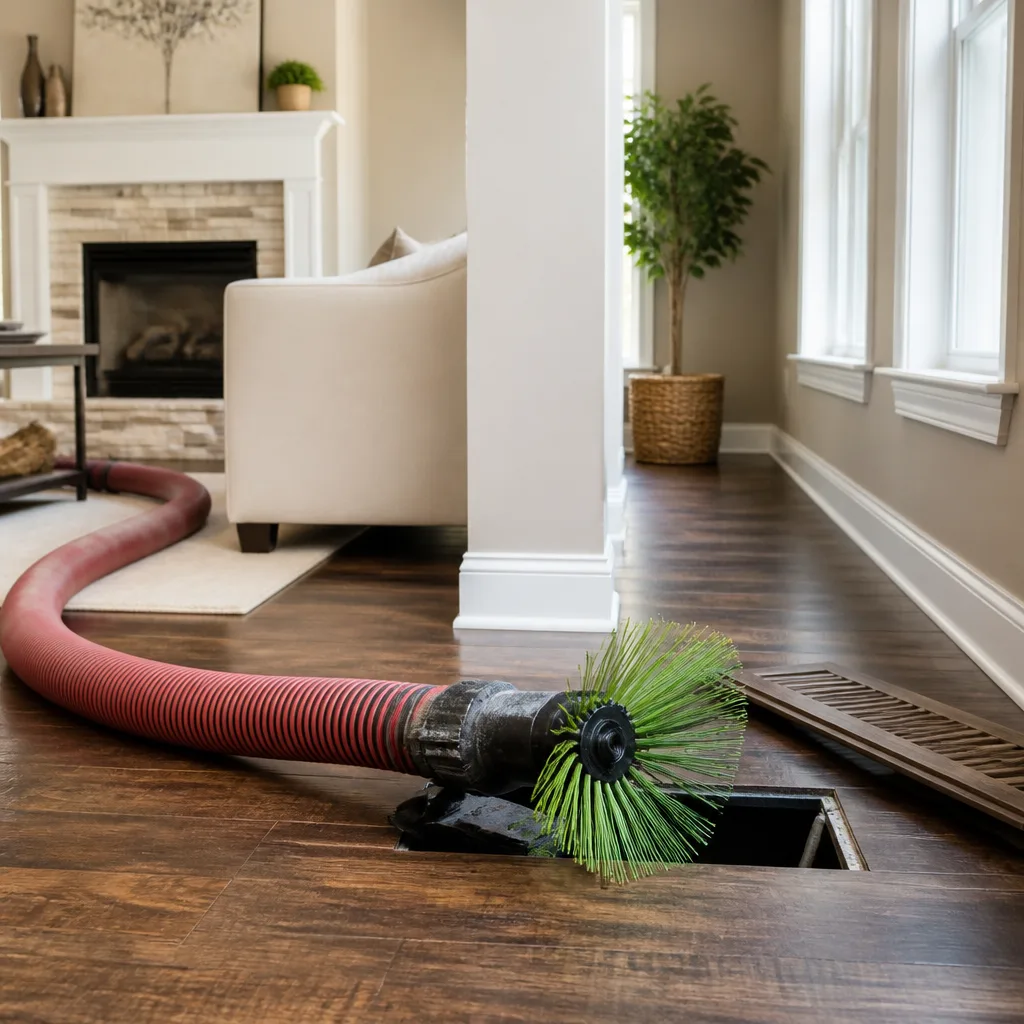
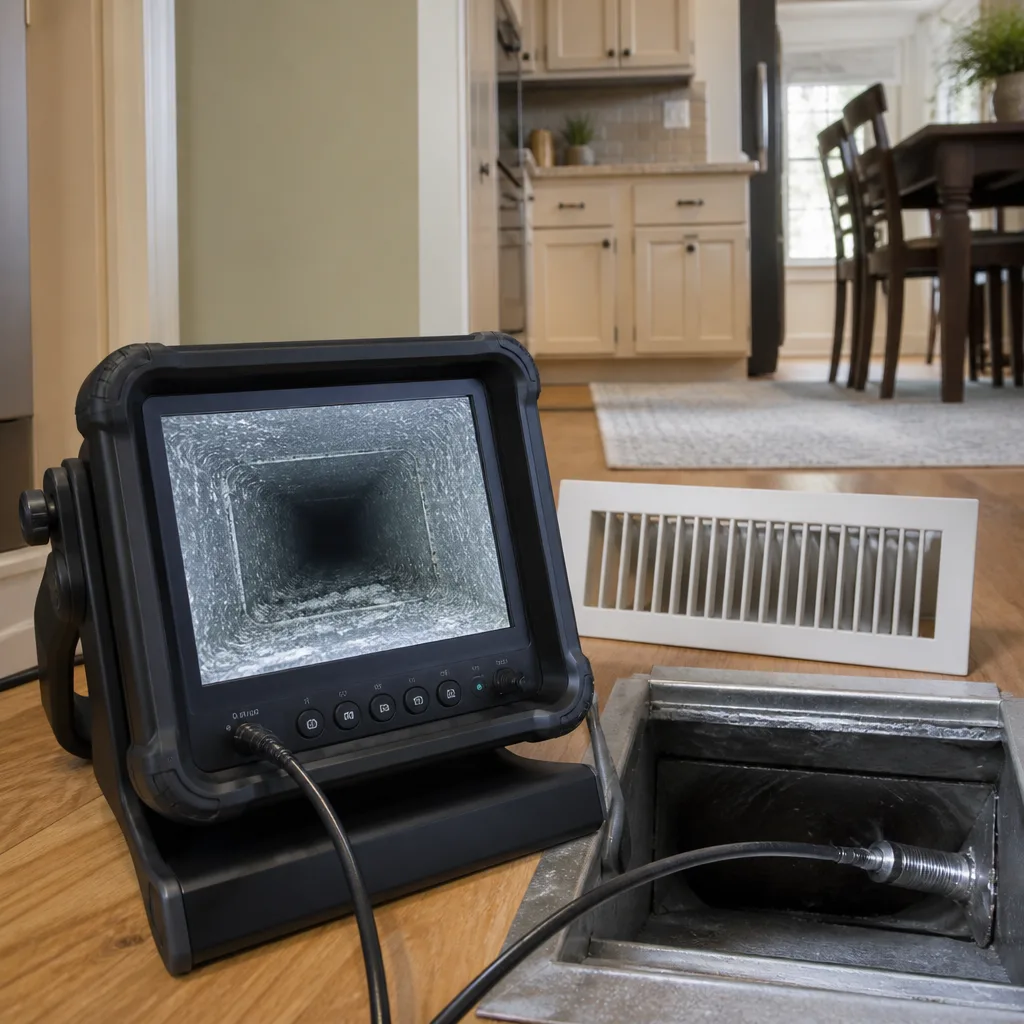
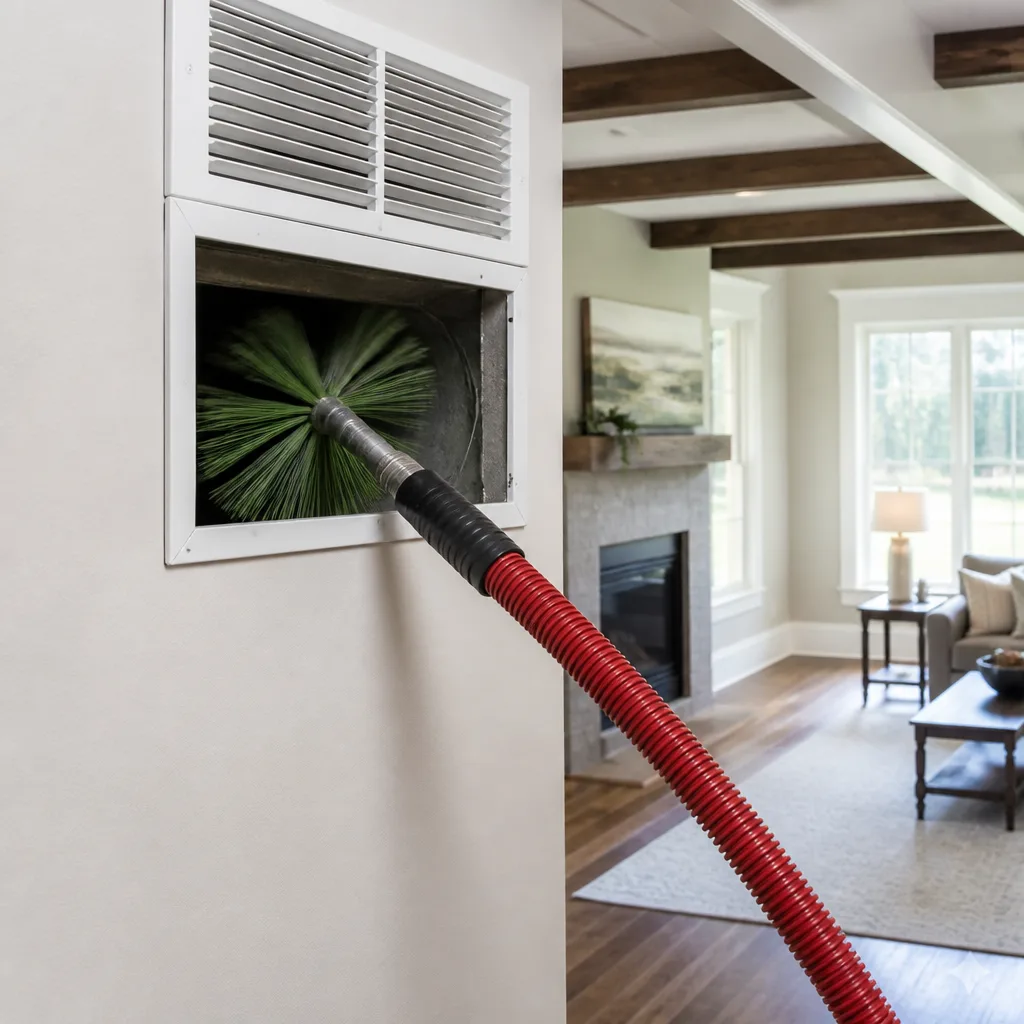
Whole-system duct and dryer vent check with before-and-after photos - you see exactly what came out of your vents
That "$99 whole-house special" is a bait ad - the real number appears once they are in your hallway, or the "clean" is a shop-vac at the register. We photograph the inside of your ducts before and after instead.
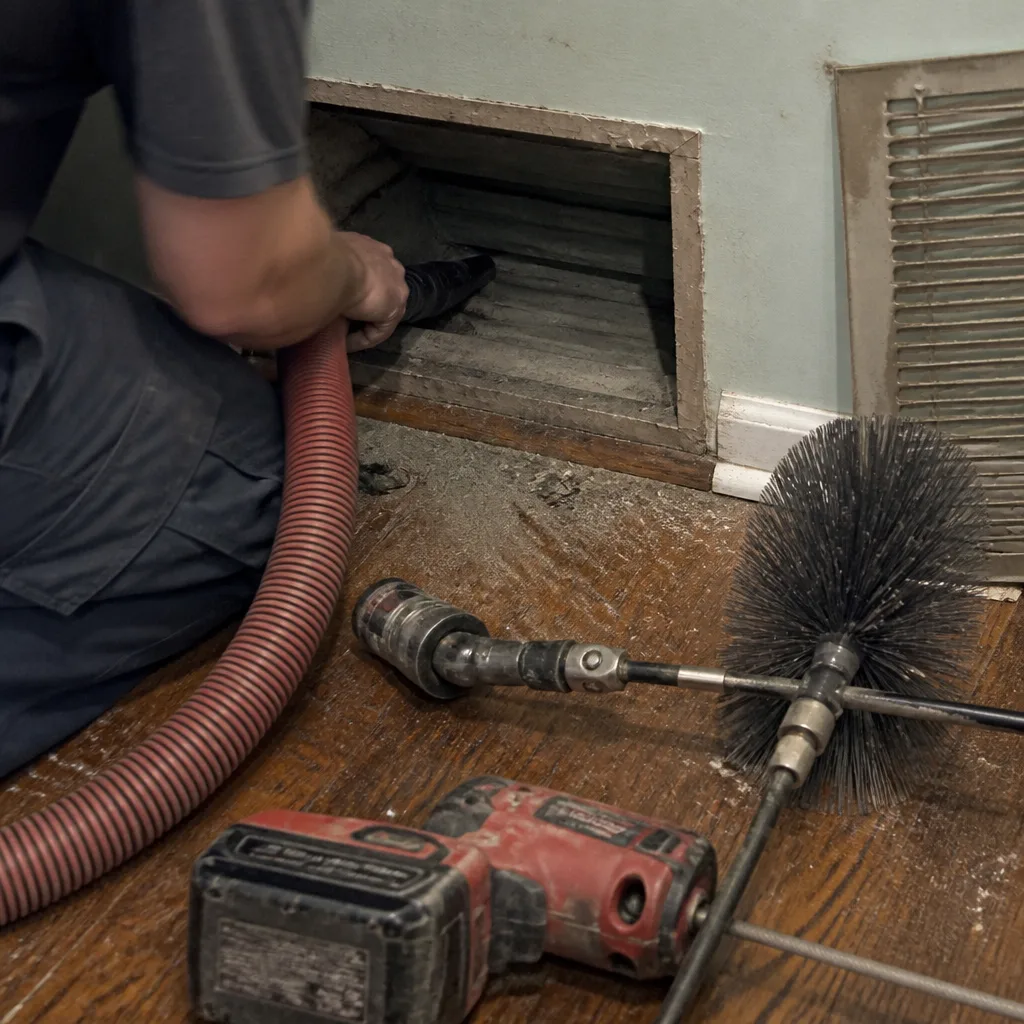 Before
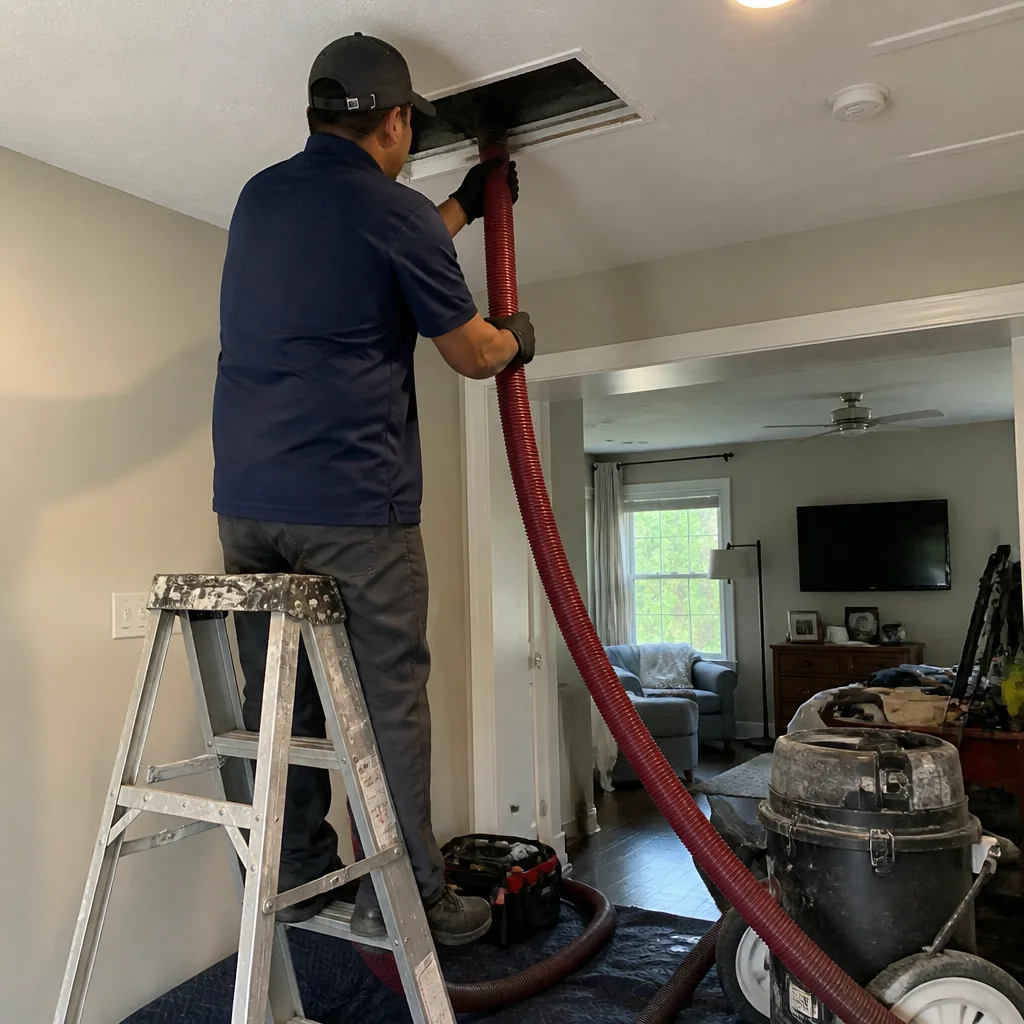 After
After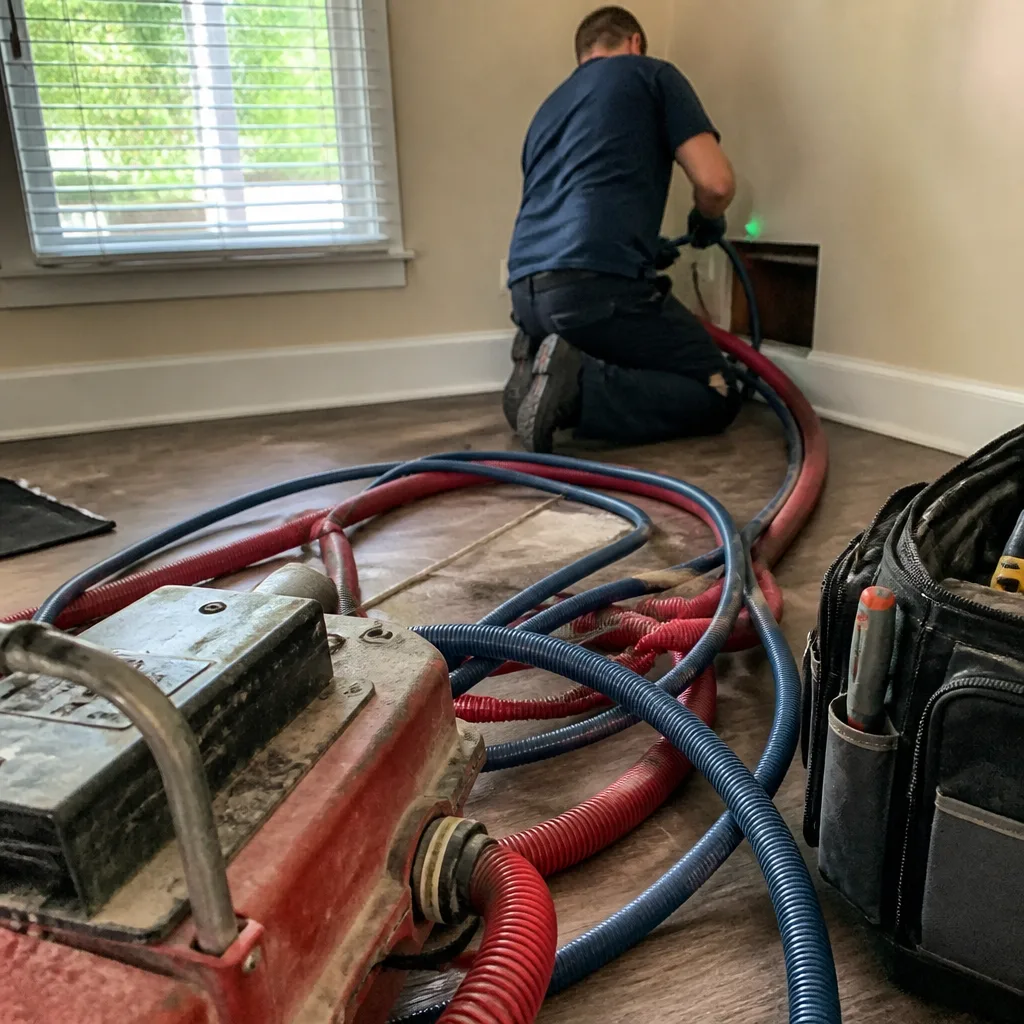 Before
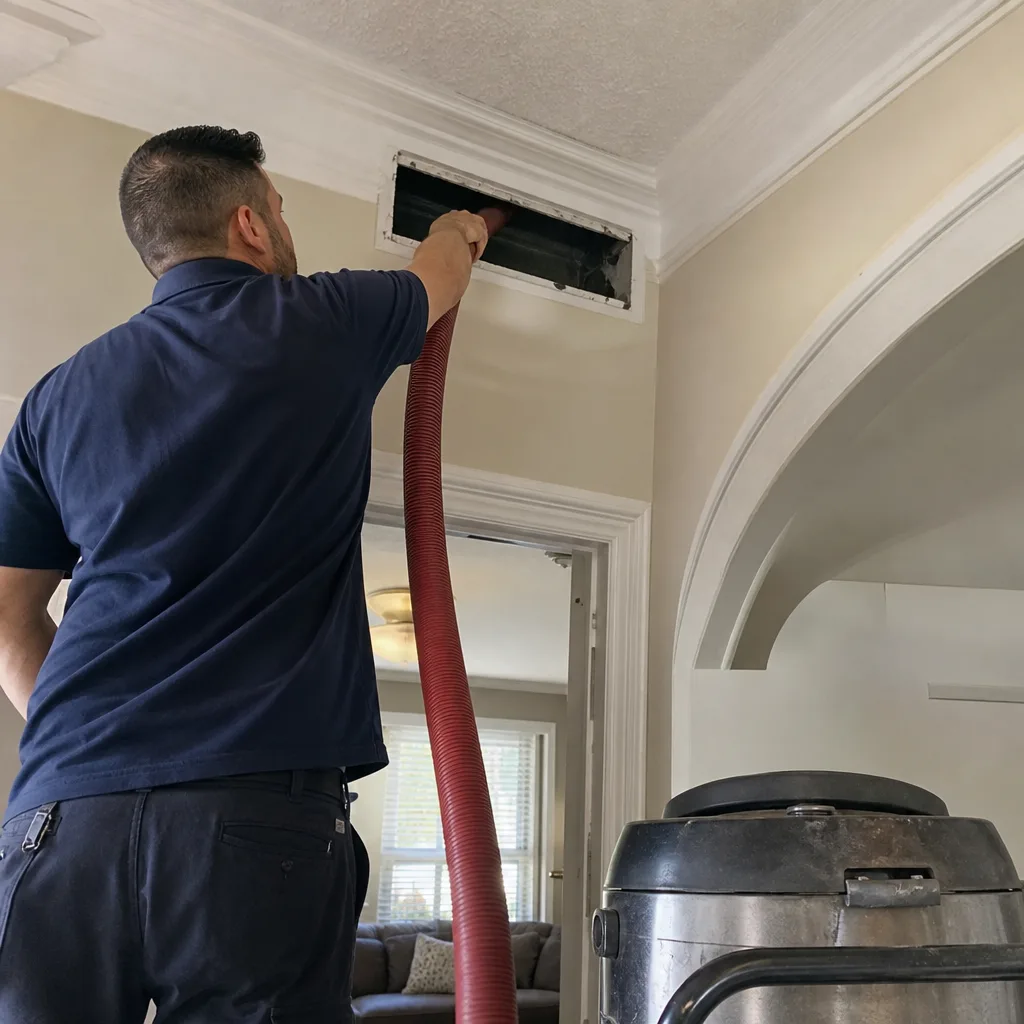 After
After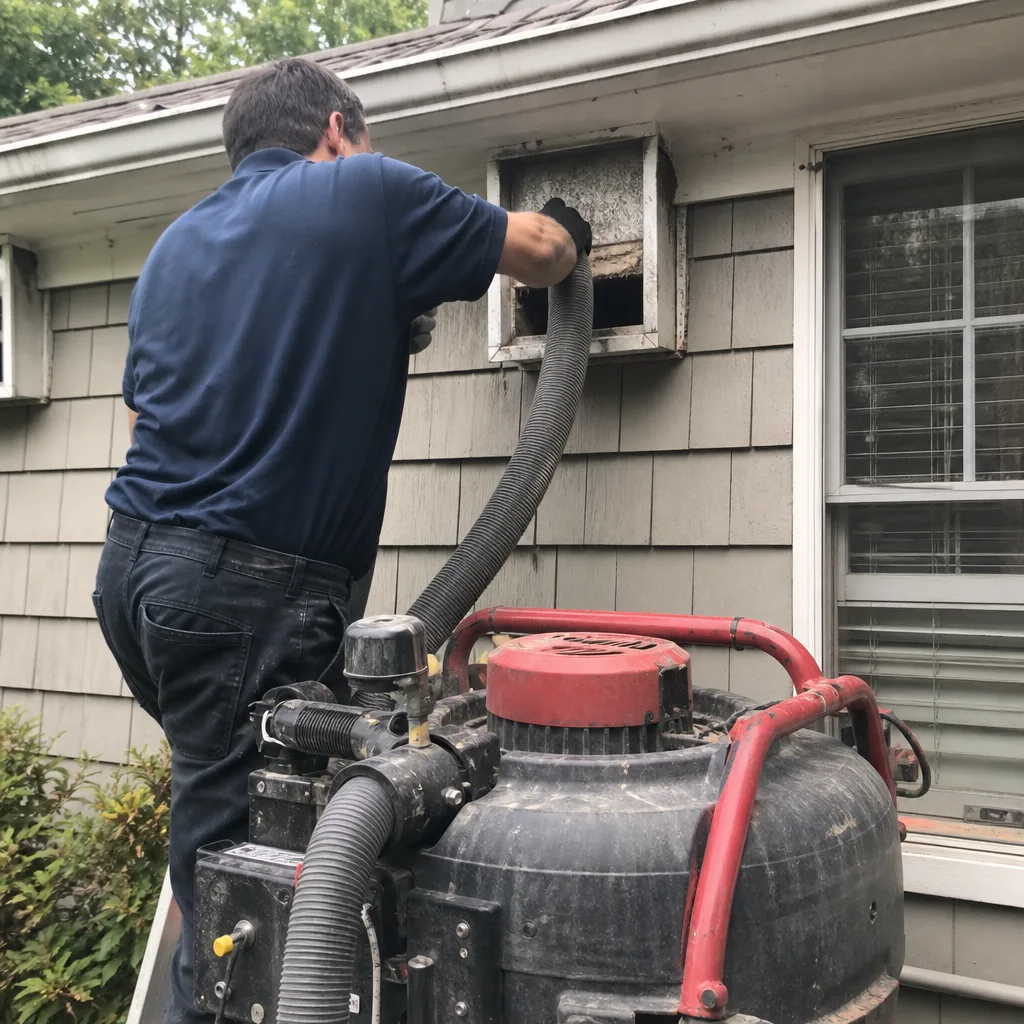 Before
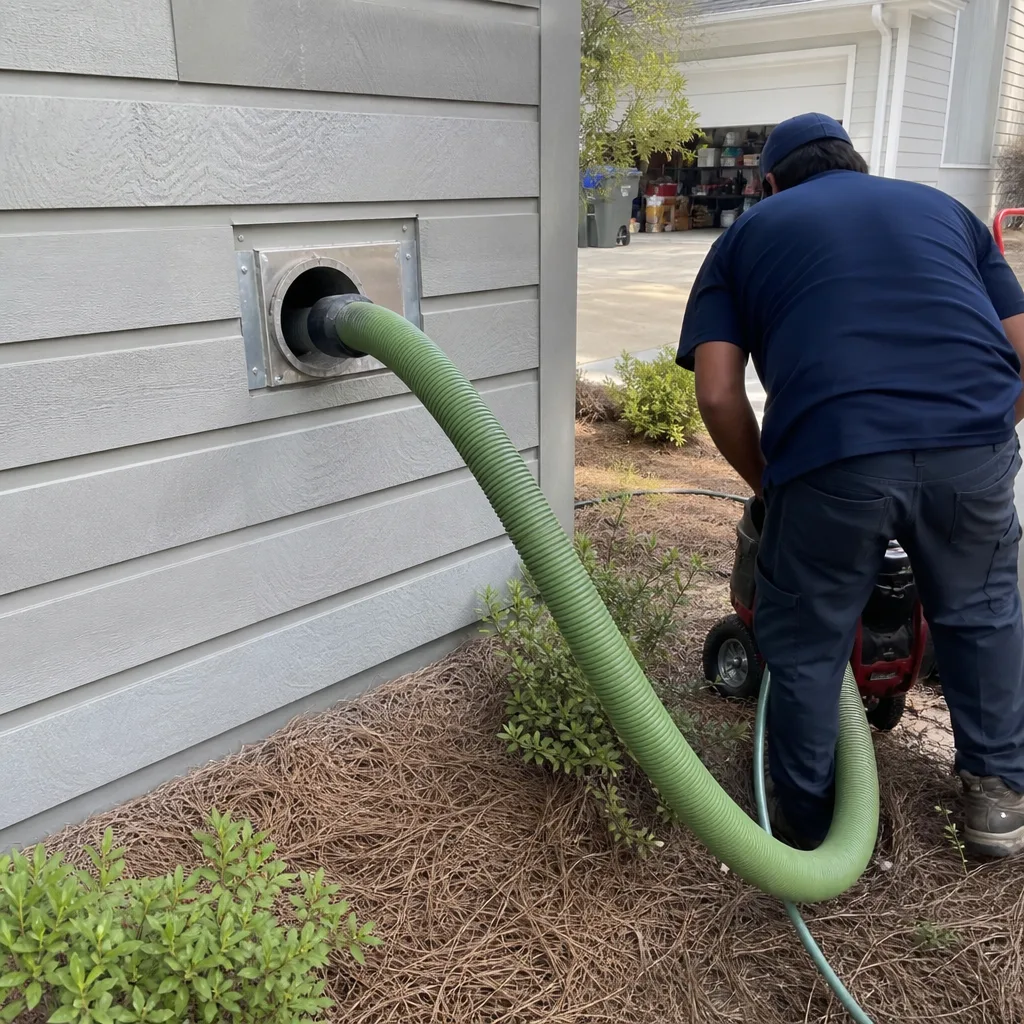 After
AfterHoneywell Coil Cleaning: The Sandy Springs Owner’s Guide
Honeywell evaporator and condenser coil cleaning in Sandy Springs typically runs $340-$580 for a full system service, depending on coil accessibility and contamination level. We stock Honeywell-compatible cleaning agents and tools on every truck, and most coil jobs are completed in a single visit with before-and-after photos included. Most Sandy Springs homeowners discover their Honeywell coil needs attention when their upstairs rooms stop cooling evenly in July, or when their energy bill jumps 20% without explanation - both classic signs of a coil choked with Georgia clay dust and microbial growth.
Which Honeywell Models This Applies To
Honeywell coils appear across three main equipment categories in Sandy Springs homes: the HCFC series evaporator coils paired with Honeywell ZonePerfect dampers, the CHPF/CSPF cased coil lines matched to split-system heat pumps, and the DR90/DR120 dehumidifier coils common in basements around the Chattahoochee River floodplain. The model label lives on a stamped metal tag near the coil header - look for a 10-digit part number starting with HC, CH, or DR.
Here’s the compatibility gotcha we see weekly in Sandy Springs: Honeywell’s newer CHPF4860 coils use a wider fin spacing (8 fins per inch) than the older CHPF3642 series (12 fins per inch). The cleaning approach differs. Tighter fin spacing requires lower-pressure foaming agents; aggressive pressure washing on a 12-fpi coil will flatten the aluminum and kill efficiency permanently. We match the chemical and pressure spec to the exact coil series, not guess.
CleanRun Air Duct Cleaning Sandy Springs is an independent service provider, not affiliated with Honeywell. We source OEM-grade foaming cleaners from Honeywell’s approved supplier list, plus quality aftermarket equivalents from Nu-Calgon and foaming agents by DiversiTech when the job calls for it. The aftermarket products we carry meet the same AHRI performance standards; the difference is usually packaging concentration, not chemistry.
Signs Your Honeywell Coil Cleaning Is Failing
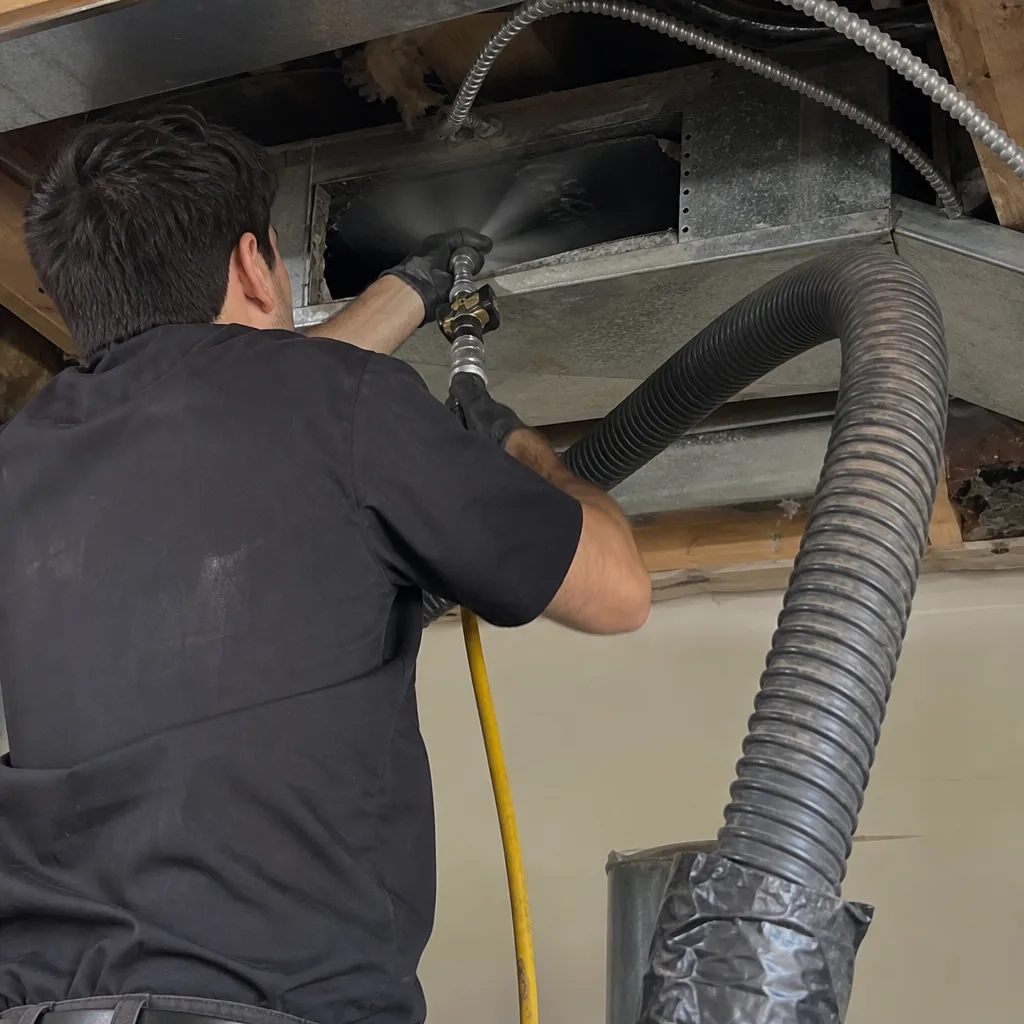
- Uneven cooling between floors. A Honeywell evaporator coil with 1/8-inch of biofilm buildup can’t transfer heat efficiently. The thermostat reads 72, but the master bedroom in your Sandy Springs ranch hits 78 by 3 PM while the basement freezes. The restriction is physical: the coil surface acts as an insulator.
- Ice formation on refrigerant lines. When airflow drops across a dirty Honeywell coil, the refrigerant temperature falls below the dew point and freezes the condensation. The ice starts at the coil face and works backward toward the compressor. Left alone, it will slug liquid refrigerant into the compressor and cause a $2,400 failure.
- Musty or sour odor from registers. Honeywell’s aluminum fin stock supports microbial colonies when Georgia humidity stays above 70% for weeks, which it does in Sandy Springs from May through September. The smell is bacterial off-gassing, not “dust,” and it will not resolve with a filter change.
- Condensate drain backing up. A dirty coil sheds debris into the drain pan faster than the trap can clear it. Honeywell’s standard PVC drain kits have a 3/4-inch outlet; that narrow bore clogs quickly when coil sludge combines with algae common in Sandy Springs municipal water.
- Compressor running longer cycles. Your Honeywell system was sized for a clean coil. A contaminated coil raises the suction pressure, so the compressor works harder to achieve the same BTU output. We see this most in the Spalding Drive corridor homes built 1965-1985, where original duct sizing was already marginal.
BeforeAfterReplacement Cost & What’s Included
Honeywell coil cleaning in Sandy Springs breaks down as follows:
| Service Component | Price Range |
|---|---|
| Evaporator coil cleaning (accessible, standard contamination) | $340-$420 |
| Evaporator coil cleaning (tight access, heavy contamination) | $420-$520 |
| Condenser coil cleaning (outdoor unit, ground-level) | $280-$360 |
| Both coils, same visit | $480-$580 |
| Honeywell dehumidifier coil (DR90/DR120 series) | $320-$400 |
What drives the range: coil location (attic vs. closet vs. crawl space), contamination severity measured in fin coverage percentage, and whether the drain pan and condensate line need separate clearing. Every quote is written before work starts under Haven Standard Clause 1. The price includes the documented photo record of every coil face, before and after, delivered as part of your job file. Work is backed by the 365-Day Done Right Promise.
DIY or Call Us?
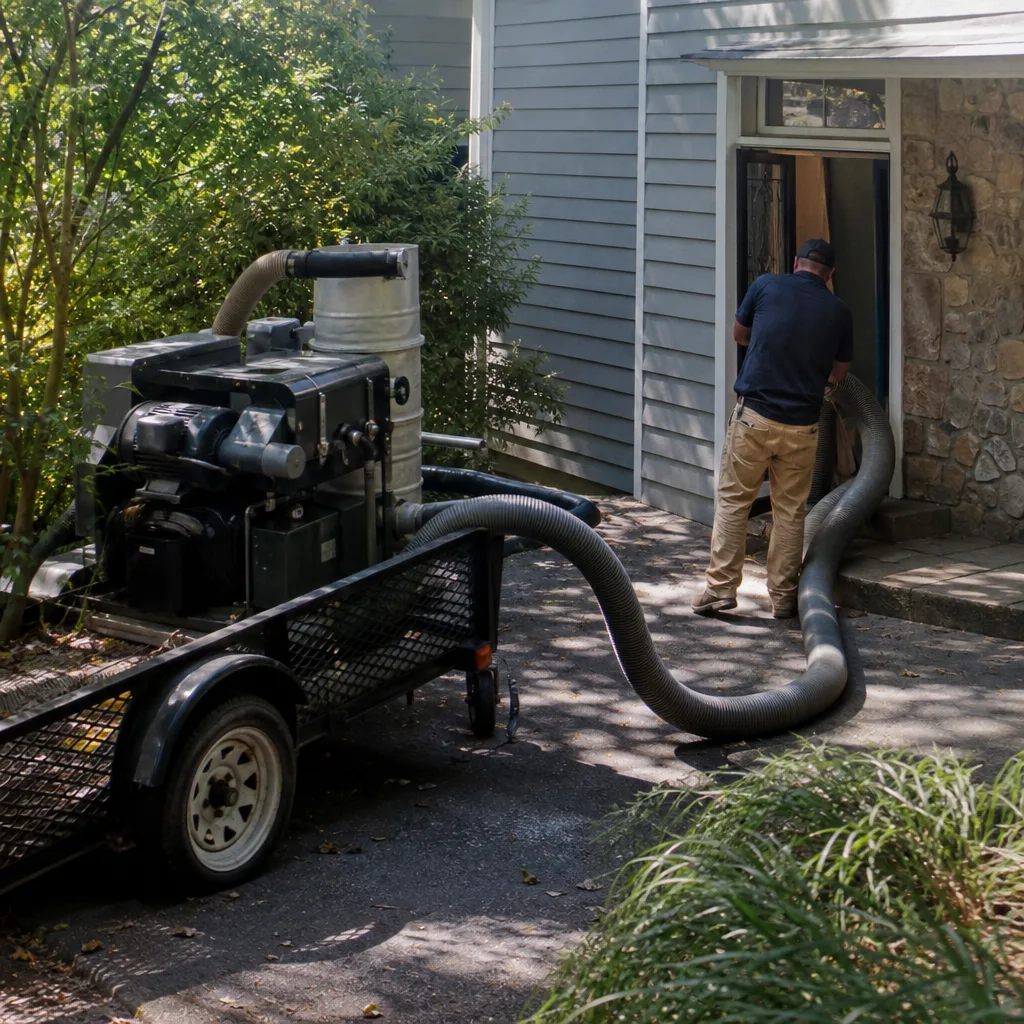
What you can safely check yourself: verify your Honeywell filter is clean and correctly seated, confirm the outdoor condenser has 18 inches of clearance on all sides, and listen for the compressor engaging when cooling calls. These checks cost nothing and rule out the obvious.
Where DIY goes wrong: evaporator coils live inside the air handler, downstream of the blower, and require panel removal to access. The coil sits in a drain pan with a wet switch that, if bumped, will lock out the system. More critically, any cleaning agent that is not specifically rated for aluminum fins will etch the Honeywell coil surface and void any remaining equipment warranty. We’ve replaced coils in Sandy Springs that a homeowner cleaned with household degreaser - the fins dissolved to white powder in six months.
Condenser coils carry 240V within inches of the fins. The capacitor holds a lethal charge even with the disconnect pulled. The photo comes first. The invoice comes second. Call (678) 904-9744 and we’ll show you what we found before we say what it costs.
FAQs
In Sandy Springs’ climate, a properly cleaned Honeywell coil stays efficient for 18-30 months before microbial regrowth becomes measurable. Homes near construction zones - the new development along Hammond Drive, for example - may see faster fouling from airborne particulate. Annual inspection with photo documentation is the practical standard we recommend. Call (678) 904-9744 to schedule; estimates are free.
No. Once aluminum fins are corroded or flattened, they cannot be restored to factory spec. Cleaning removes accumulated debris and biofilm but cannot reverse physical damage. If our inspection shows fin deterioration exceeding 30% of the coil face, we’ll document it and recommend replacement rather than sell you a cleaning that won’t solve the problem. Call (678) 904-9744 for an honest assessment.
A standard Honeywell evaporator coil cleaning takes 90-150 minutes from panel removal to final photo. Condenser coils run 60-90 minutes. Combined jobs average three hours. We do not rush the dwell time on foaming agents; cutting that short leaves living biofilm behind. Your written scope includes the expected duration before we start.
Yes. Every CleanRun truck carries Nu-Calgon Cal-Green foaming cleaner, DiversiTech foaming agents, and Honeywell-specified non-acidic formulations for coated coils. We also stock fin combs sized for 8-fpi and 12-fpi Honeywell spacing, plus wet/dry vacuums for drain pan service. If your coil requires a repair part we don’t have, we’ll tell you before we start, not after.
Written by Tomas Reyes, Owner, CleanRun Air Duct Cleaning Sandy Springs at CleanRun Air Duct Cleaning Sandy Springs, serving Sandy Springs and nearby areas.