
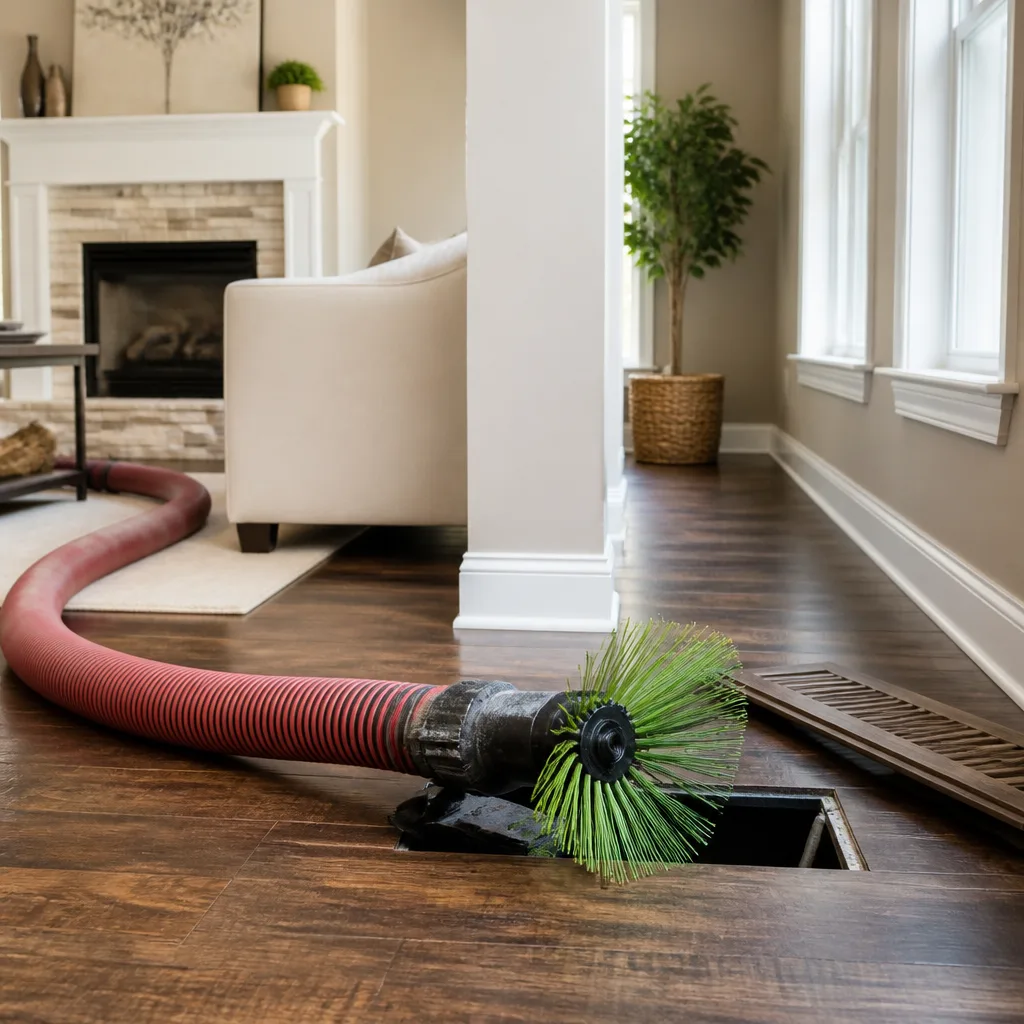
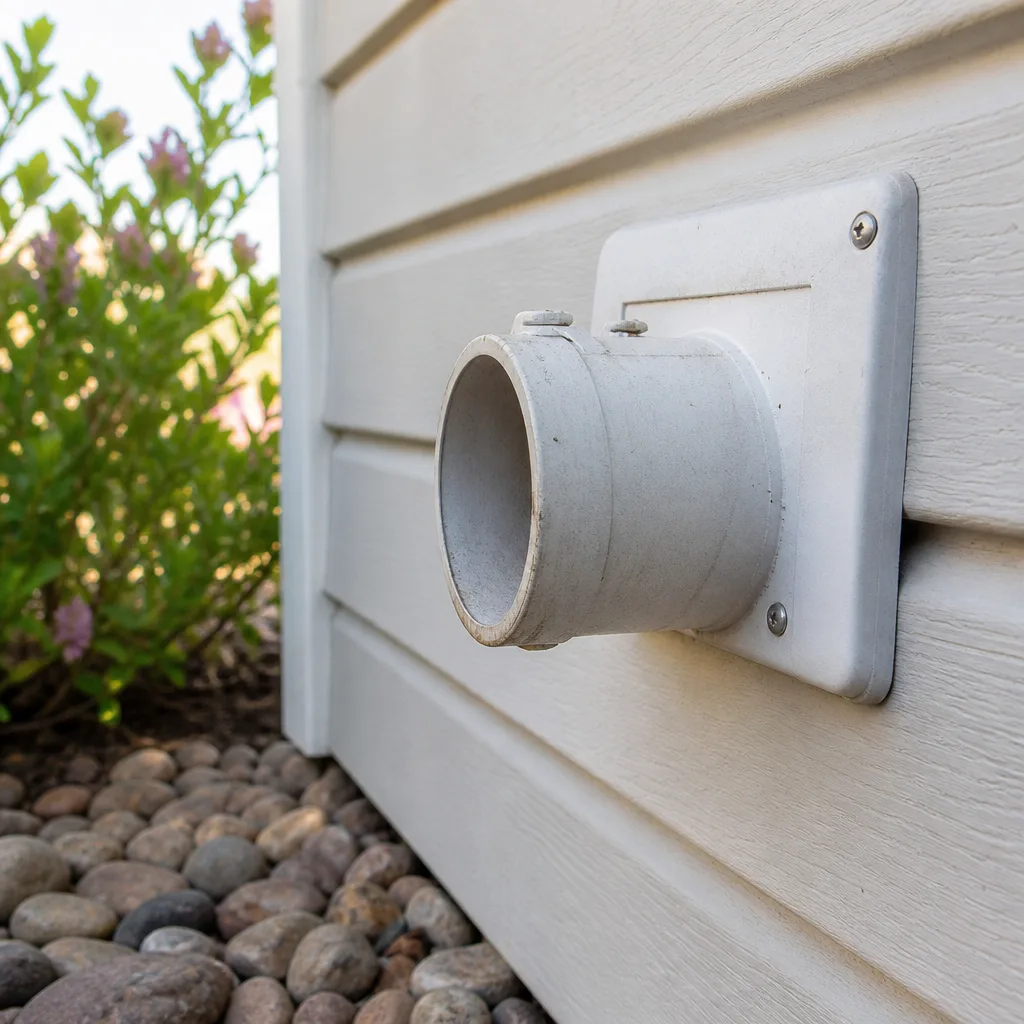
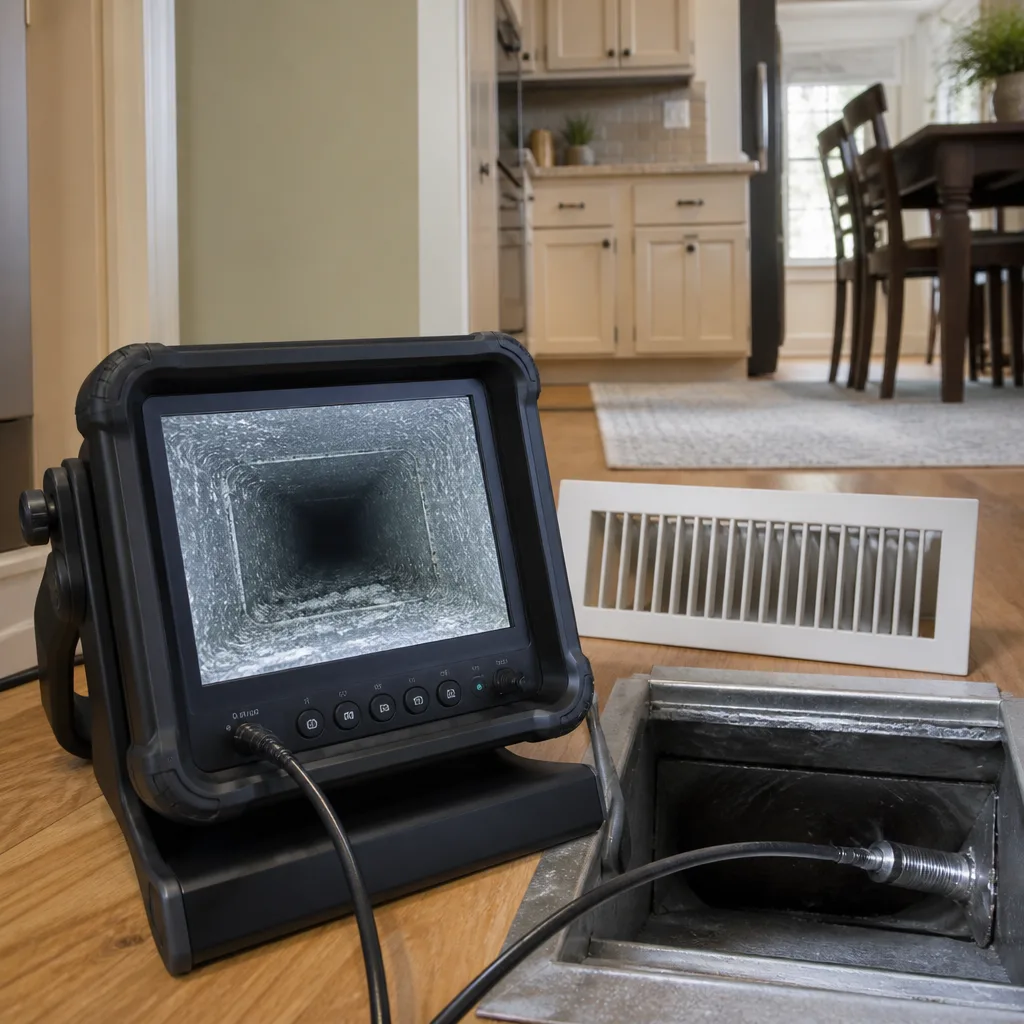
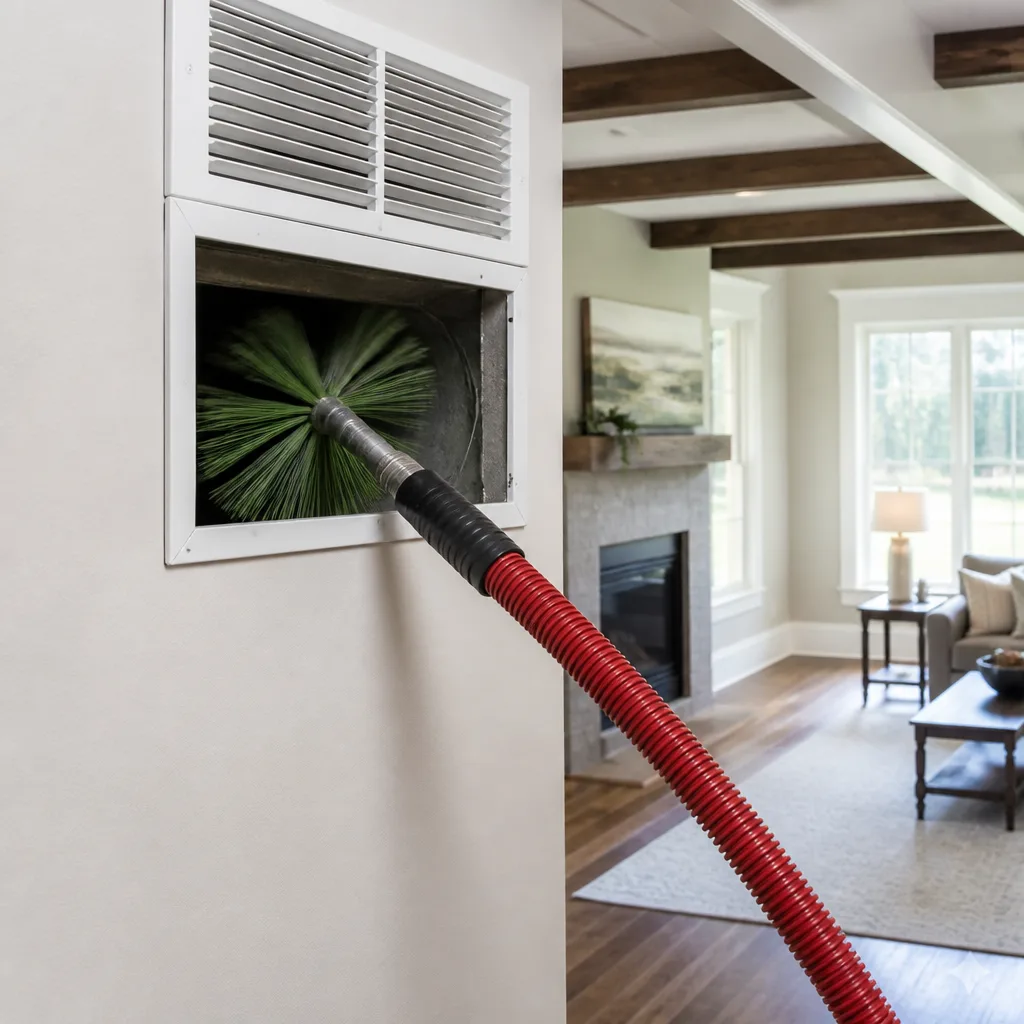
Whole-system duct and dryer vent check with before-and-after photos - you see exactly what came out of your vents
That "$99 whole-house special" is a bait ad - the real number appears once they are in your hallway, or the "clean" is a shop-vac at the register. We photograph the inside of your ducts before and after instead.
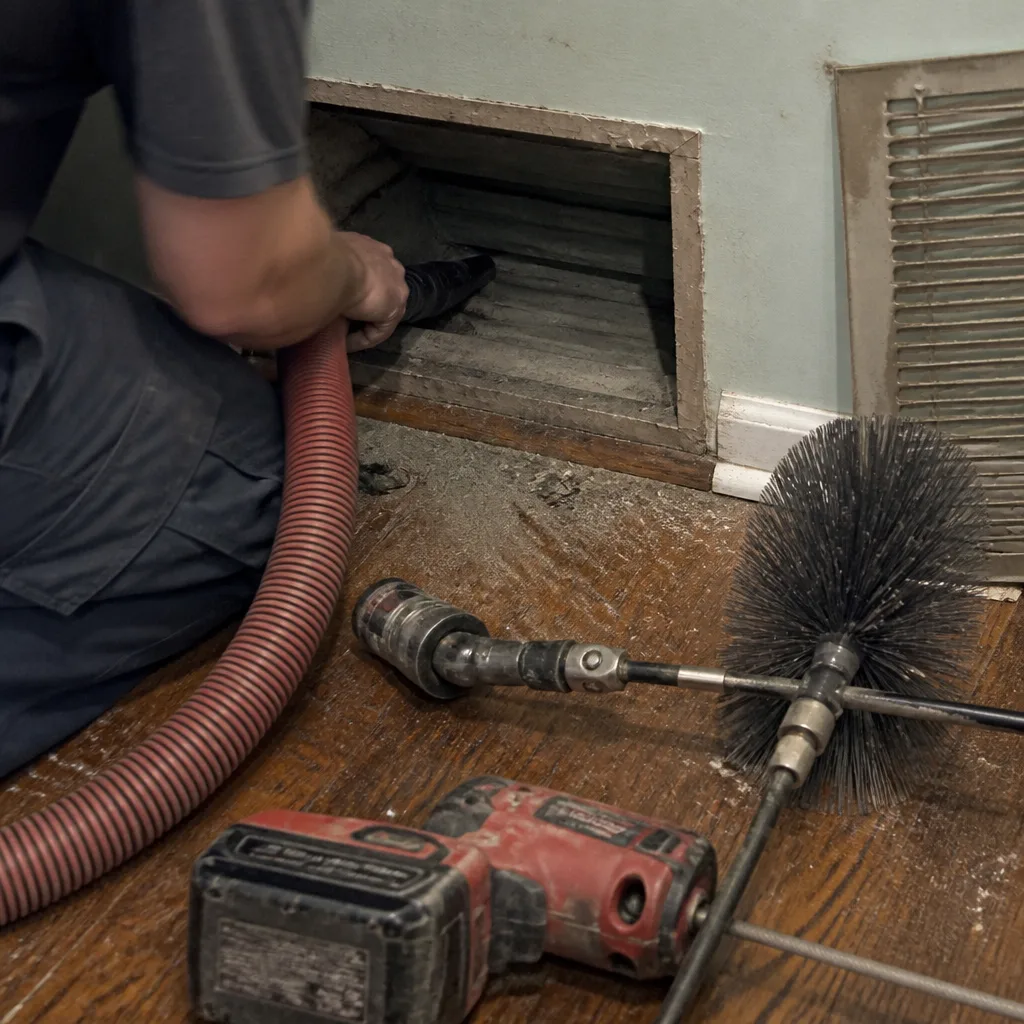 Before
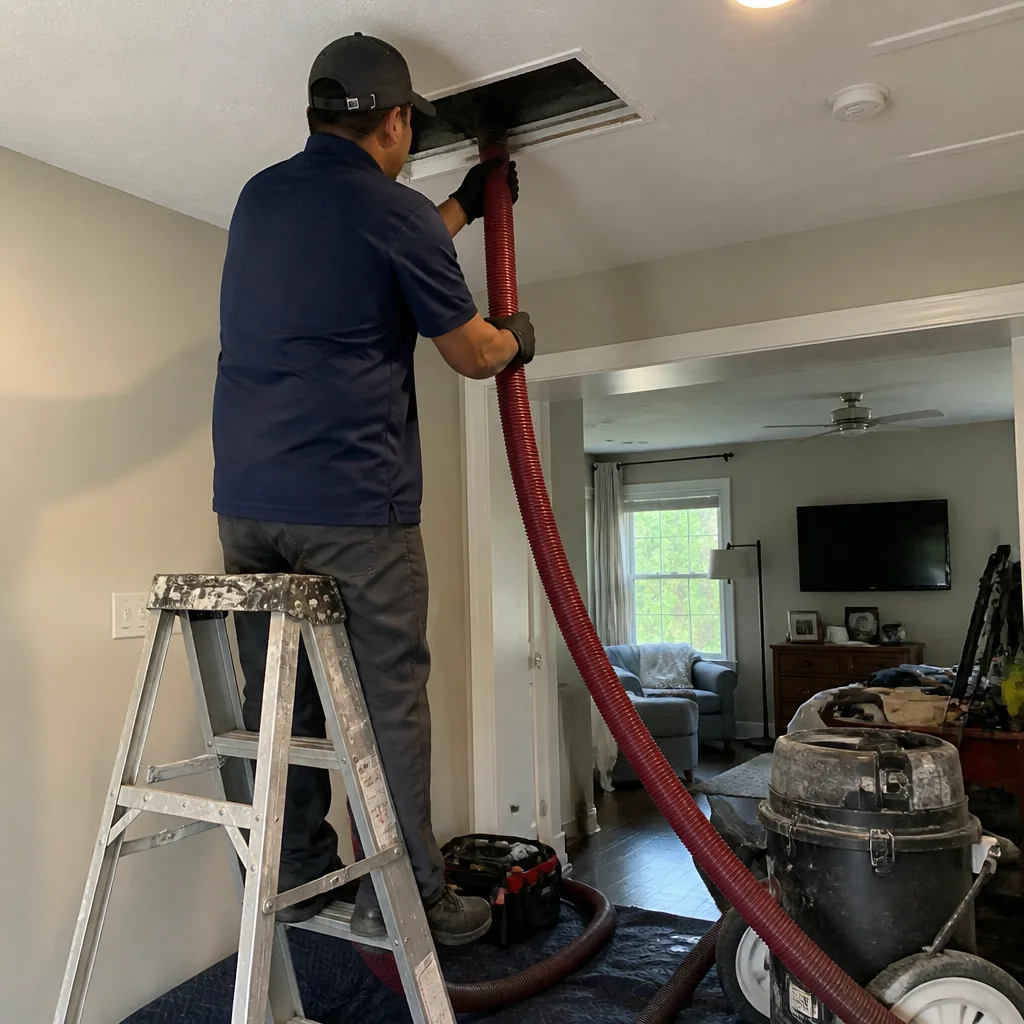 After
After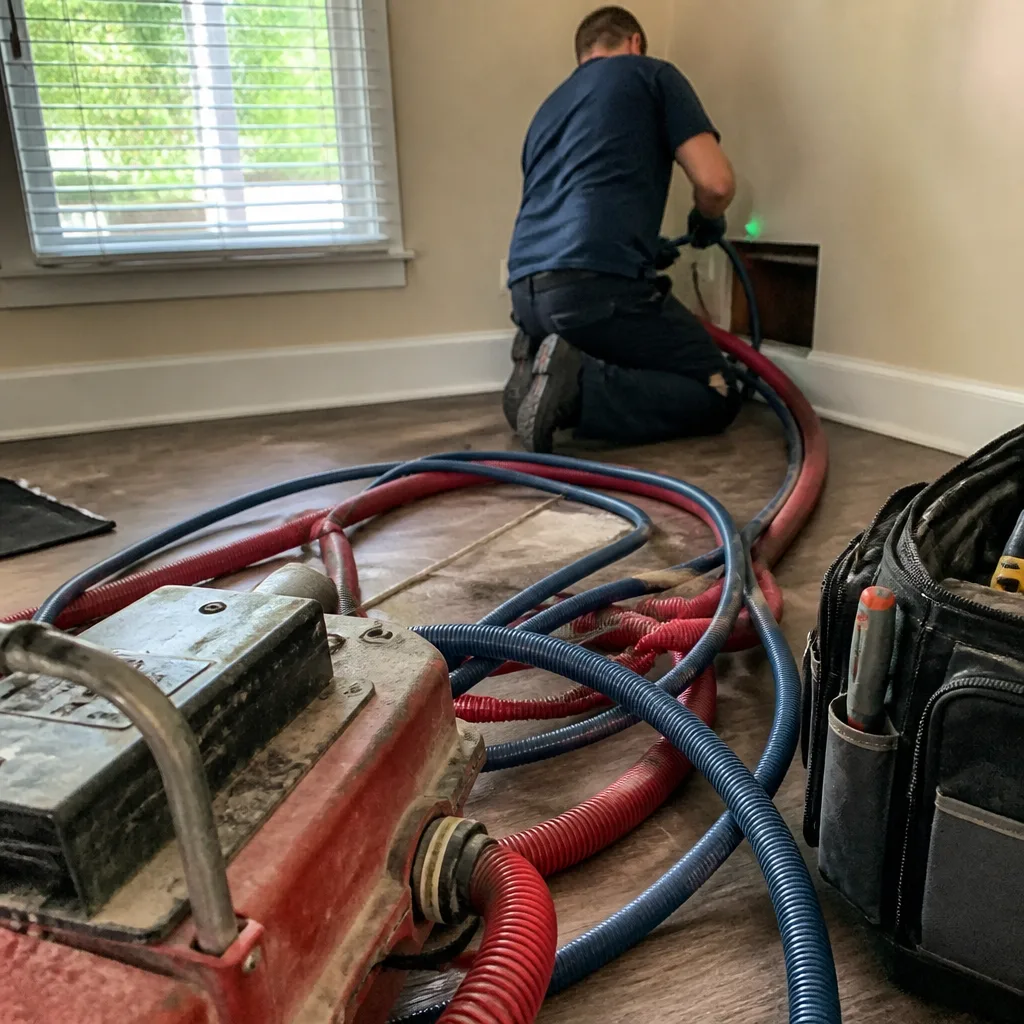 Before
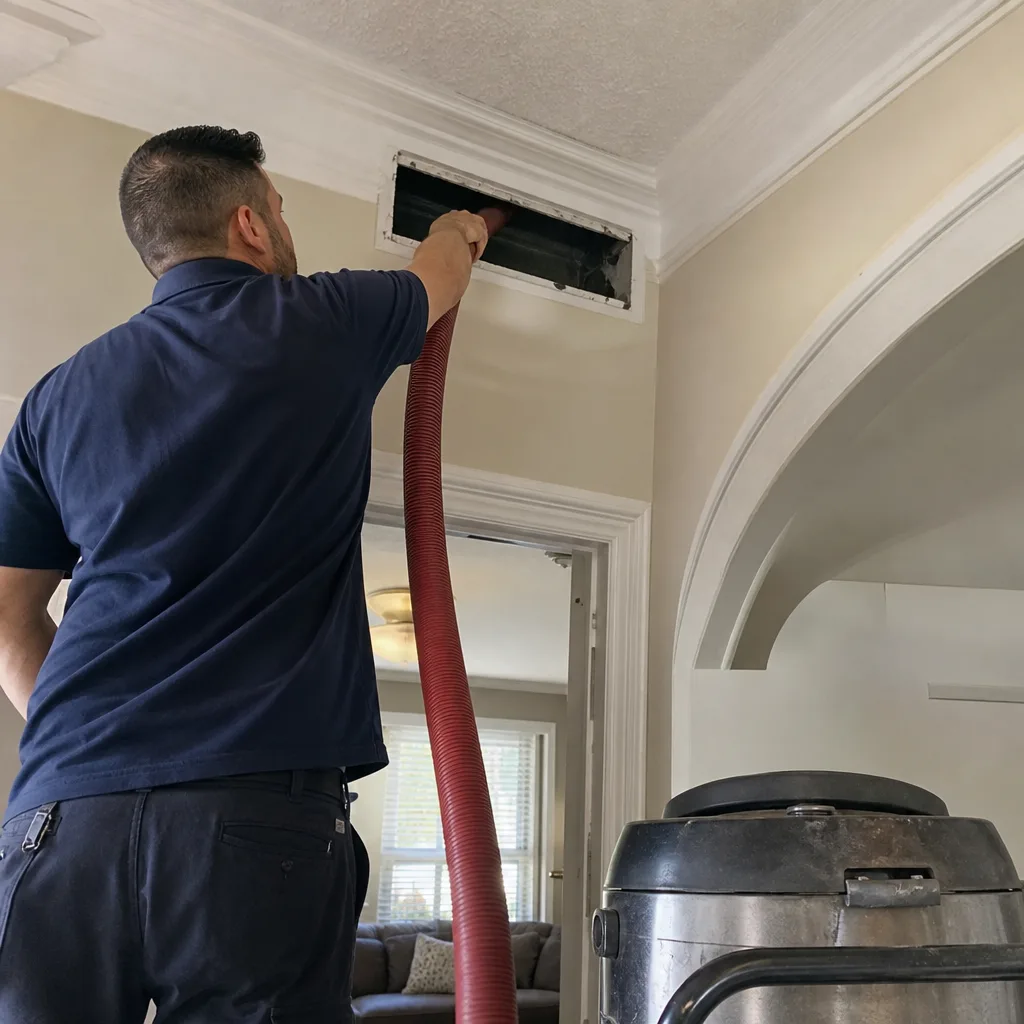 After
After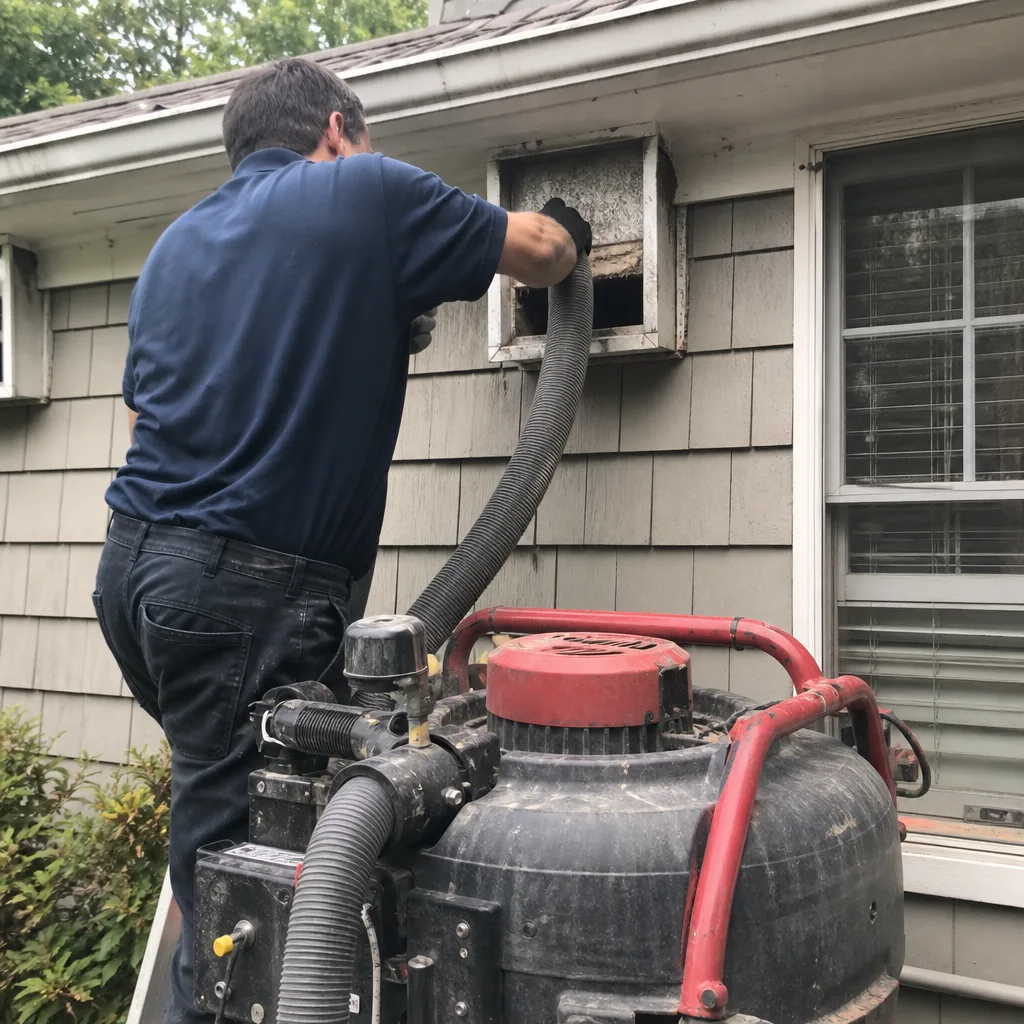 Before
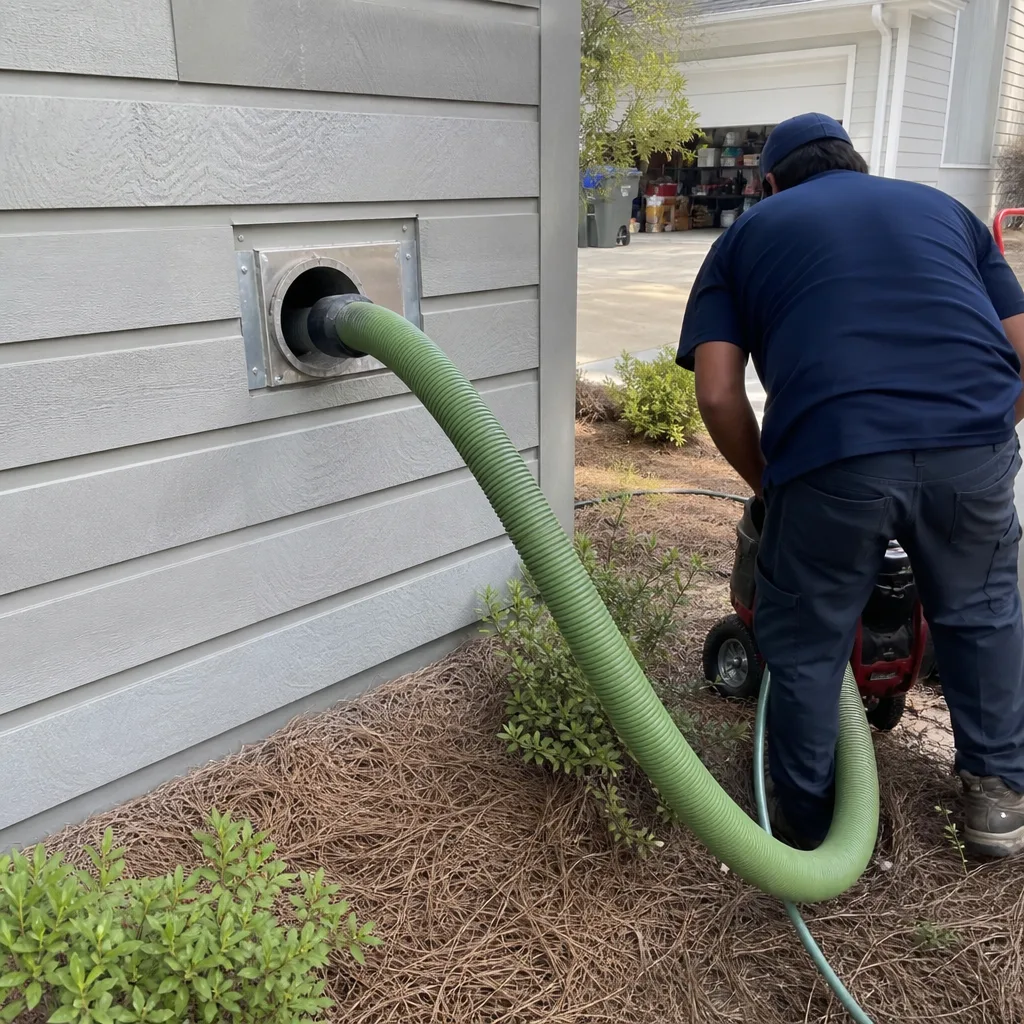 After
AfterAbatement Technologies Vent Sanitizing: The Sandy Springs Owner’s Guide
Abatement Technologies vent sanitizing in Sandy Springs typically runs $340-$620 for a complete system treatment, and we stock the compatible applicators and solution assemblies on our trucks for same-day scheduling. Most Sandy Springs homeowners discover their vent sanitizing system needs attention when a persistent musty smell returns within weeks of a standard duct cleaning, or when someone in the home with allergies notices symptoms flaring after the HVAC cycles on. The photo comes first. The invoice comes second.
We see this pattern often in Sandy Springs homes built between 1975 and 1995, especially along the Spalding Drive corridor where original flex ductwork traps moisture against the vent walls. Abatement Technologies designed their vent sanitizing line for commercial remediation environments, so the equipment is overbuilt for residential use, which means the failure point is almost never the pump or the wand. It’s the solution metering valve, which calcifies from Fulton County’s moderately hard water, or the flexible applicator hose, which cracks after repeated bending through tight register openings.
Which Abatement Technologies Models This Applies To
Abatement Technologies vent sanitizing equipment falls into two residential-relevant series: the PREDATOR line (models 800, 1200, and the discontinued 600) and the CAPTURE portable units (HEPA-equipped variants used in mold remediation that sometimes get repurposed for residential vent treatment). The critical compatibility point is the solution connection type. PREDATOR 800 and 1200 units use a quick-connect fitting with a 3/8-inch barb. The older 600 series used a threaded 1/4-inch NPT connection that is not interchangeable without an adapter we do not recommend, as it introduces a leak point that voids the factory pressure rating.
To identify your model, check the specification plate on the pump housing, not the wand handle. The plate lists the serial number prefix: “P8” for 800-series, “P12” for 1200-series. If the plate is worn, measure the wand diameter. PREDATOR wands are 1.25 inches OD; CAPTURE wands are 1.5 inches OD with a distinct knurled grip section.
We stock OEM Abatement Technologies solution valves and hoses. Aftermarket equivalents exist from Guardman and Nikro, and we will install them if a homeowner requests, but the metering orifice on the Abatement Technologies OEM valve is calibrated to 2.3 GPM at 40 PSI, which matches the pump curve precisely. The Guardman equivalent flows at 2.6 GPM, which over-wets duct insulation in Sandy Springs’ humidity and extends dry time past the four-hour window we consider acceptable.
Signs Your Abatement Technologies Vent Sanitizing Is Failing
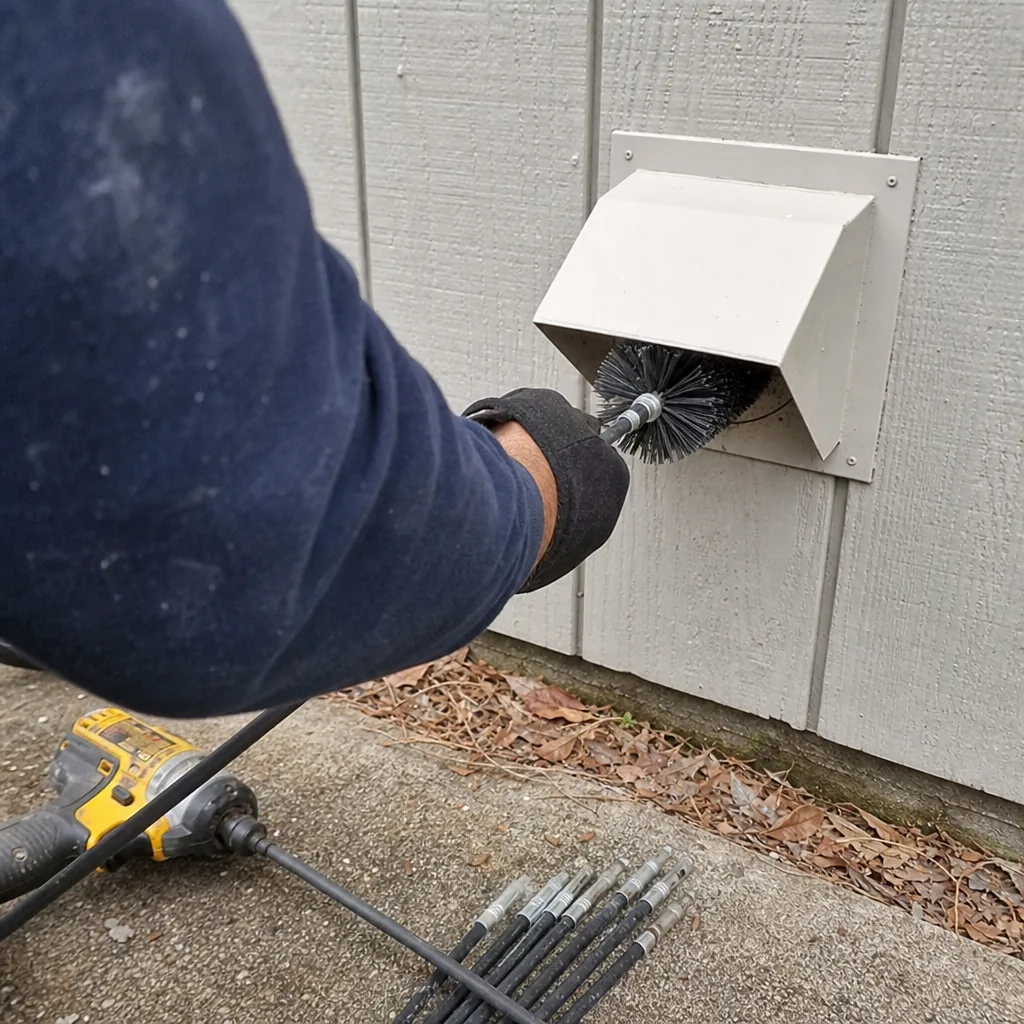
- Uneven solution distribution from the wand. The metering valve diaphragm stiffens with mineral buildup from Sandy Springs water, which runs 7-9 grains per gallon of hardness. You’ll see dry streaks on the duct wall in the photo record where the solution should have coated evenly. We replace the valve, flush the lines with deionized water, and photograph the spray pattern before closing the access panel.
- Solution pooling at the register instead of atomizing. The applicator tip orifice wears oval after roughly 150-200 uses, which is about four years for a typical Sandy Springs residential system on annual treatment. The droplet size increases from 40 microns to 200+ microns, and gravity takes over before the airstream can carry the sanitizer down the duct run. We measure droplet size with a simple field test and replace tips below spec.
- Pump runs but no solution reaches the wand. The flex hose between pump and wand develops a pinhole crack, usually within 6 inches of the wand connection where repeated bending stress concentrates. The pump maintains pressure but the crack vents solution into the plenum or the technician’s hand. We see this most in homes where the previous company stored the wand coiled tightly in a van bin.
- Intermittent pump pressure during operation. The intake filter screen on the solution reservoir clogs with precipitated sanitizer residue, especially if the previous technician used a quaternary ammonium compound at above-label concentration. The pump cavitates, pressure fluctuates, and coverage becomes unpredictable. We clean or replace the screen and document the reservoir condition.
- Visible corrosion on the wand or fittings. Abatement Technologies uses anodized aluminum for weight, but the anodizing wears at contact points. Once bare aluminum is exposed, the combination of sanitizer chemistry and Georgia humidity produces white oxide flaking that contaminates the duct system. We replace corroded wands; patching is not reliable.
BeforeAfterReplacement Cost & What’s Included
| Component | Parts + Labor | Notes |
|---|---|---|
| Metering valve (OEM) | $180-$260 | Includes flush, calibration check, photo record |
| Applicator hose assembly | $140-$200 | OEM flex hose with quick-connects |
| Wand + tip replacement | $220-$340 | Full assembly if corrosion or wear exceeds spec |
| Complete sanitizing service | $340-$620 | System-wide treatment, all components, documented photo record |
The range depends on access difficulty. A single-story ranch on Spalding Drive with ceiling registers and a crawlspace plenum takes less time than a three-level Sandy Springs townhome with ductwork routed through finished soffits. Haven Standard Clause 1 applies: we deliver a written price before any work starts, and that price is the price. No per-vent add-ons, no “discovered additional contamination” upsells. The photo record is included as a standard deliverable, not an extra.
Work is backed by the 365-Day Done Right Promise. If the musty smell returns or the coverage pattern fails, we return and make it right. Tomas Reyes has honored that promise since 2013, and the documentation from every job is what makes it enforceable.
DIY or Call Us?
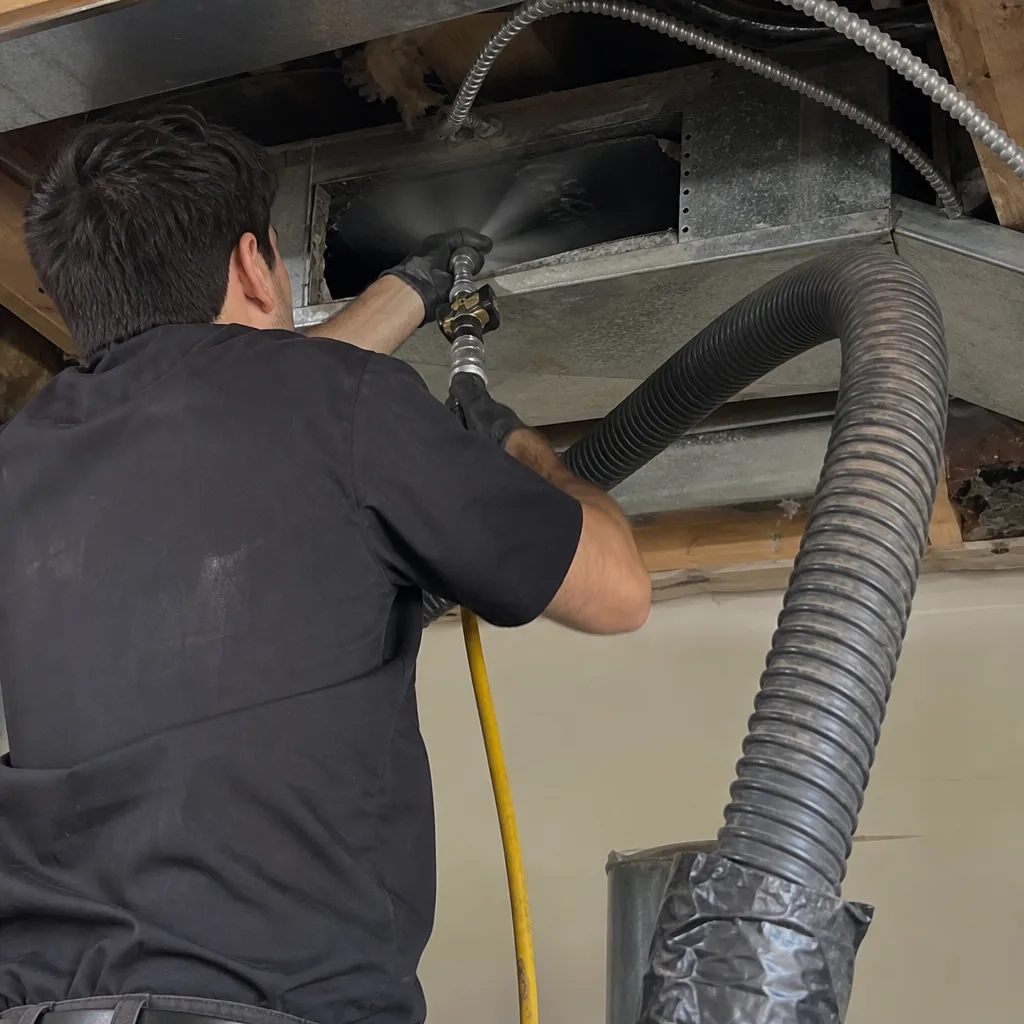
There is no high-tension or electrical hazard in vent sanitizing equipment, but there is a contamination risk that deserves honesty. A homeowner can safely check the specification plate, inspect the wand for corrosion, and verify that the reservoir intake screen is not visibly clogged. These checks take ten minutes and require no tools beyond a flashlight.
Where DIY goes wrong is in the solution handling and the coverage verification. Abatement Technologies specifies a 40-micron droplet at 2.3 GPM for a reason: larger droplets saturate duct insulation, smaller droplets evaporate before contact, and both failures are invisible without a borescope and a droplet card. We have cleaned up three Sandy Springs jobs this year where a homeowner or handyman treated the system with over-the-counter fogger solution and created a sticky residue that trapped subsequent dust load.
If you want the photo record that proves the job was done to spec, call (678) 904-9744. We answer live, and we’ll put a written estimate in your hand before we unload a tool.
FAQs
In Sandy Springs’ climate, the metering valve typically lasts 4-6 years and the applicator hose 3-5 years with annual use. The wand assembly can exceed 8 years if stored properly and not forced through damaged register openings. Georgia humidity accelerates hose outer-layer cracking if the equipment sits in an unconditioned van or garage between uses. Call (678) 904-9744 if you’re unsure of your equipment age; we can date it from the serial prefix.
We do not rebuild metering valves. The internal diaphragm and orifice are factory-calibrated as a matched set, and field disassembly introduces variability that affects droplet size. A rebuilt valve may test fine on the bench and fail in the duct. We replace with OEM and document the calibration. For a second opinion on a competitor’s “rebuild” quote, bring it to us; we’ll put our replacement number next to it in writing at no cost.
Most residential Abatement Technologies vent sanitizing component replacements take 90 minutes to 2.5 hours, including system testing and photo documentation. A full system treatment with all components runs 3-4 hours. We schedule in half-day blocks, not rushed windows, because the documentation matters as much as the work itself.
Yes. We carry metering valves, hose assemblies, and wand tips for PREDATOR 800 and 1200 series on every Sandy Springs truck. CAPTURE-series components are available next-day. We also stock compatible equipment from Lennox, Trane, and Carrier for integrated HVAC sanitizing systems, though this page addresses standalone Abatement Technologies vent sanitizing specifically. CleanRun Air Duct Cleaning Sandy Springs is an independent service provider; we are not affiliated with Abatement Technologies.
Written by Tomas Reyes, Owner, CleanRun Air Duct Cleaning Sandy Springs at CleanRun Air Duct Cleaning Sandy Springs, serving Sandy Springs and nearby areas.